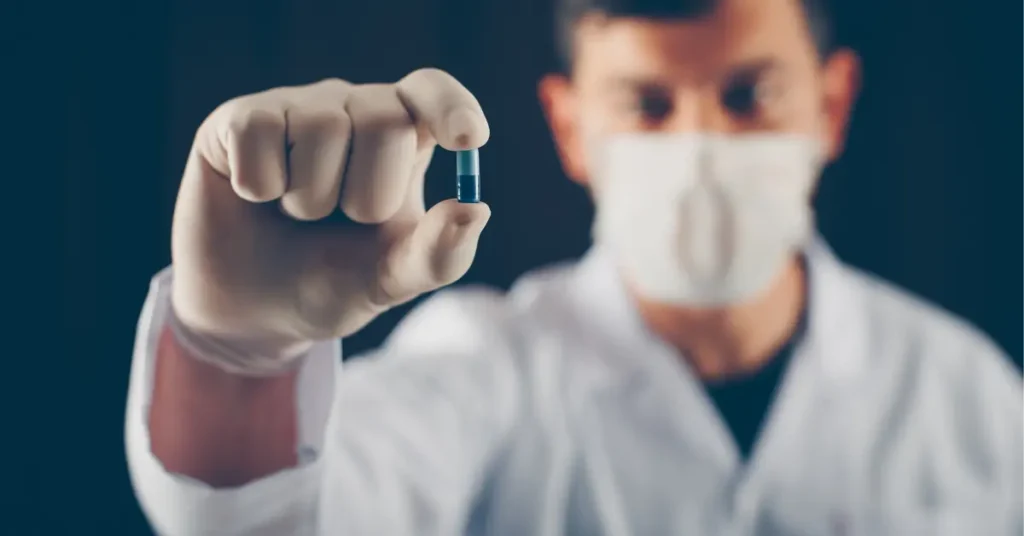
A Problem That Is Already Here — and Why Patients Should Know About It
In my role as microbiologist at EPIC Multispecialty Hospital, Ahmedabad, I work in the background of patient care — the laboratory where cultures are processed, organisms are identified, and antibiotic sensitivity results are generated. Although patients may not see the laboratory, many treatment decisions depend on the results generated there. But what happens in my laboratory directly affects whether their infection gets treated, and how quickly.
In the microbiology laboratory, we regularly encounter bacteria that are resistant to several commonly used antibiotics. When this happens, treatment becomes more challenging and may require broader-spectrum, more expensive, or intravenous antibiotics. Seeing these laboratory reports every day reinforces why antibiotics must be used carefully and only when truly needed
The problem I want to talk about is antibiotic resistance. It is not a future threat — it is happening now, in Ahmedabad and across Gujarat. Bacteria that were easily treated with standard antibiotics ten or fifteen years ago are increasingly resistant to those same drugs. More infections now require second or third-line antibiotics that are more expensive, more difficult to administer, and more likely to cause side effects. For some bacteria, the number of effective antibiotics has become very limited..
I am not writing this to create alarm. I am writing it because informed patients make better decisions — and better decisions, multiplied across millions of people, change this trajectory.
How Resistance Develops — and How We All Contribute
Antibiotic resistance is not a mysterious phenomenon — it is evolution in action. When bacteria are exposed to antibiotics, most die. But a small number may have a natural genetic variation that allows them to survive. Those survivors reproduce, passing on the resistance. Over time, the resistant population dominates.
Antibiotics accelerate this process whenever they are used — which is why every unnecessary course of antibiotics contributes, even slightly, to the resistance pool. The broader this exposure, the faster resistance develops.
In India, and in Ahmedabad specifically, several factors drive unusually high antibiotic use. Antibiotics are widely available without prescription in many pharmacies. They are often prescribed for viral infections — coughs, colds, sore throats — where they provide no benefit whatsoever. Patients may self-medicate with leftover antibiotics or take antibiotics without proper medical advice. Such inappropriate use increases the chances that resistant bacteria will survive and multiply.
Every one of these practices makes the problem worse. And every one of them is avoidable.
What Antibiotic Resistance Means for Hospital Patients
For patients undergoing surgery, chemotherapy, or other treatments that temporarily weaken the immune system, antibiotic resistance is not an abstract policy issue — it is a direct clinical risk. If a post-surgical infection is caused by a resistant organism, treatment becomes more complex, hospital stays lengthen, and outcomes worsen.
At EPIC Multispecialty Hospital, Ahmedabad, we have a structured antibiotic stewardship programme — a system that monitors antibiotic prescribing across the hospital, ensures that the right antibiotic is prescribed for the right infection at the right dose for the right duration, and avoids the use of broad-spectrum antibiotics when narrower options are sufficient.
This programme is not about being restrictive for its own sake. It is about preserving the effectiveness of the antibiotics we have, and ensuring that when you need an antibiotic — really need one — it will work.
Microbiology laboratory culture and antibiotic susceptibility testing also play an important role by helping doctors choose targeted antibiotics whenever appropriate and also an important part of the Antibiotic stewardship programme.
Simple Steps Every Patient Can Take
The most powerful message I can leave with patients is this: Antibiotics are important medicines and should only be used when genuinely needed. They are not harmless supplements to be taken whenever something feels like an infection. They are powerful medications with specific indications and real consequences when misused.
Do not take antibiotics for coughs and colds — these are almost always viral, and antibiotics do nothing for viruses. Do not share antibiotic prescriptions with family members — the antibiotic that was prescribed for your infection was prescribed for your specific situation, not theirs. Take antibiotics exactly as prescribed by your doctor. Do not stop early or extend the treatment unless advised— Complete your antibiotic course as prescribed — don’t stop early just because you feel better, and don’t extend it on your own either. The right duration depends on the infection, and your doctor has already calculated it. Cutting a course short or dragging it out both do harm. Don’t buy antibiotics without a prescription.
When an antibiotic is prescribed, it’s reasonable to ask: What is this treating? How long should I expect to take it? What should I watch for? A good doctor-patient conversation includes questions like these — they help you use the medicine correctly, not just correctly enough
Infection Prevention — Your Best Defence
Prevention is always better than treatment, and this is nowhere more true than for infections. The most effective single action most people can take is consistent, thorough hand hygiene — washing hands with soap and water for twenty seconds at the critical moments (before eating, after using the toilet, after touching surfaces in healthcare settings). Alcohol-based hand rubs are equally effective when hands are not visibly dirty.
Other simple measures can also significantly reduce the risk of infection. Keeping wounds clean, managing chronic conditions such as diabetes, staying up to date with recommended vaccinations, maintaining good personal hygiene, and seeking medical attention early for signs of infection can all help reduce the risk of infection and the need for antibiotics
Vaccination prevents many infections that would otherwise require antibiotic treatment — and in India, vaccination coverage remains lower than it should be. Influenza vaccination reduces secondary bacterial pneumonia. Pneumococcal vaccination reduces pneumococcal pneumonia and meningitis. These are straightforward, safe, and underused tools.
At EPIC Multispecialty Hospital, Ahmedabad, infection control is a system, not a single practice. Hand hygiene compliance monitoring, environmental cleaning standards, and isolation protocols for resistant organisms are all part of how we protect our patients. And everyone who makes better antibiotic choices at home contributes to that same protection, whether they realize it or not. Patients and visitors also have an important role by following hand hygiene advice, respiratory etiquette, and visitor restrictions when requested.
Common Questions Patients Ask
Can I take an antibiotic I have at home for a new infection?
Please do not. The antibiotic you have at home was prescribed for a different infection, at a different dose, for a different duration. Using it for a new condition is unlikely to be effective and may cause harm — both to your own health and to antibiotic resistance broadly. See a doctor for a proper assessment.
How do I know if my infection is bacterial or viral?
Many symptoms — fever, sore throat, cough — can be caused by either bacteria or viruses, and often only a clinical assessment and sometimes laboratory tests can distinguish them. A doctor can usually make this assessment based on the pattern of illness, clinical findings, and targeted investigations. Self-diagnosing and self-treating is rarely accurate.
What is a culture and sensitivity test?
A culture test grows the infecting organism from a sample (blood, urine, swab, sputum) in the laboratory to identify exactly which bacteria or fungus is causing the infection. A sensitivity test then determines which antibiotics it responds to and which it is resistant to. This guides targeted antibiotic treatment rather than empirical broad-spectrum prescribing. It is also important to note that not every infection requires a culture test.
Is antibiotic resistance treatable?
Resistant infections are treatable — but with fewer options, more complex regimens, and sometimes intravenous antibiotics that require hospital admission rather than oral treatment at home. The goal of antibiotic stewardship is to preserve the options we have, not to wait until they are gone.
What should I do if I think I have an infection?
See your doctor rather than self-medicating. If it is a viral upper respiratory infection, the treatment is supportive — rest, fluids, and time. If it is bacterial, your doctor will select the right antibiotic based on the likely organism and local resistance patterns. The right antibiotic is almost always more effective than a broad-spectrum one taken unnecessarily.
Can antibiotics cause side effects?
Yes. Antibiotics may cause diarrhea, allergic reactions, and sometimes disturb the normal bacteria present in the body. This is another reason antibiotics should only be used when necessary.