
Valve Replacement Surgery in Ahmedabad
Precision Care for Every Patient
There is a moment in the management of valvular heart disease when medication and monitoring are no longer enough – when the valve has deteriorated to a point where continuing without surgery carries a greater risk than the operation itself. At EPIC Multispecialty Hospital, Ahmedabad, our cardiac surgery team identifies that moment precisely, and when it comes, we perform valve replacement surgery in Ahmedabad with the skill, technology, and patient-centred approach that this life-restoring procedure deserves.
Who Needs Valve Replacement Surgery?
The Aortic Valve
The aortic valve is the most commonly replaced valve in adults. Severe aortic stenosis – where the valve has become so calcified and narrowed that the heart must strain with every beat to push blood through – is the classic indication. Severe aortic regurgitation causing progressive left ventricular enlargement is another common presentation that requires surgical intervention before the heart muscle is permanently damaged.
The Mitral Valve
The mitral valve sits between the left atrium and left ventricle. When it is severely stenotic – often due to rheumatic heart disease – or severely regurgitant beyond what can be repaired, replacement is indicated. At EPIC Hospital, our surgeons always evaluate every mitral valve for repair feasibility before proceeding to replacement – because a repaired native valve consistently outperforms even the best prosthesis.
Other Valves
The tricuspid valve is often involved in patients with long-standing left-sided valve disease. Severe tricuspid disease may be addressed at the same time as mitral or aortic surgery. Pulmonary valve replacement is performed most commonly in adults with congenital heart disease who had previous pulmonary procedures in childhood.
Choosing Your Replacement Valve
Mechanical Valves – Built to Last a Lifetime
Mechanical heart valves are made from highly durable materials – typically pyrolytic carbon – and have been shown to function for decades with no structural deterioration. Their trade-off is the requirement for lifelong anticoagulation with warfarin and regular INR blood tests to prevent clot formation on the valve. They are typically preferred in younger patients who are willing and able to manage anticoagulation safely.
Biological (Tissue) Valves – A Natural Option
Tissue valves are constructed from bovine (cow) or porcine (pig) pericardium, or occasionally from human donor tissue (homografts). They generally do not require lifelong blood thinners – a significant quality-of-life advantage. However, tissue valves are subject to gradual structural deterioration, typically lasting 15–20 years before reoperation or transcatheter-in-valve treatment is needed. They are preferred in older patients and those who cannot safely manage anticoagulation.
TAVI – Valve Replacement Without Open Surgery
For patients with severe aortic stenosis who are considered too high risk for open-heart surgery, Transcatheter Aortic Valve Implantation (TAVI) offers a transformative alternative. A new valve is compressed onto a catheter, delivered through the femoral artery or directly through the chest wall, and deployed inside the diseased native valve – without stopping the heart or opening the chest. EPIC Multispecialty Hospital evaluates eligible patients for TAVI through our structural heart programme.
The Valve Replacement Journey at EPIC Multispecialty Hospital
Pre-Operative Workup
Before valve replacement, patients undergo a thorough evaluation including transthoracic and transoesophageal echocardiography, coronary angiography, CT cardiac imaging, lung function tests, and cardiac risk scoring. This ensures the surgical plan is individualised and that every aspect of care – from anaesthesia to ICU management – is planned in advance.
The Operation
Valve replacement is performed under general anaesthesia on cardiopulmonary bypass. The chest is opened via a median sternotomy or, in selected cases, through a smaller minimally invasive incision. The diseased valve is excised and a new valve is sutured meticulously into position. Single valve replacement typically takes 2–4 hours; combined procedures take longer.
Recovery and Discharge
Most patients spend 24–48 hours in the cardiac ICU followed by 4–5 days on the cardiac ward. Our team ensures you leave with clear guidance on medications, anticoagulation management (for mechanical valves), wound care, activity restrictions, and a scheduled follow-up echocardiogram. Cardiac rehabilitation is arranged before discharge.
Know Your Signs

Chest Pain / Discomfort
Heart Palpitations
Fainting (Syncope)
Uncontrolled high blood pressure
Shortness of Breath
Dizziness or Lightheadedness
Changes in Exercise Tolerance
Swelling (Edema)
Emergency Services
Our dedicated emergency team is available 24/7 to provide immediate medical care and support in critical situations.

Get In Touch
BOOK AN APPOINTMENT
Find Best Cardiology Hospital in Ahmedabad

Multidisciplinary Team of Experts
Highly Experienced Cardiac Surgeon Team with 30 + years of experience
Pioneer in Coronary Artery Bypass (CABG) in Gujarat
43 bedded Post Surgical ICU
Dedicated 5 OTs to Cardiac Surgeries
Maquet Version 4.1 Machine for ECMO
Heamonetics Cell Saver Systems for Autologous Blood Transfusion
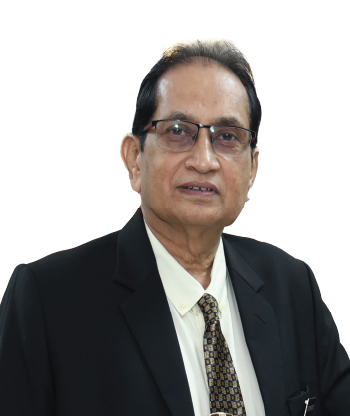
Our Team of Expert Cardiac Surgeons

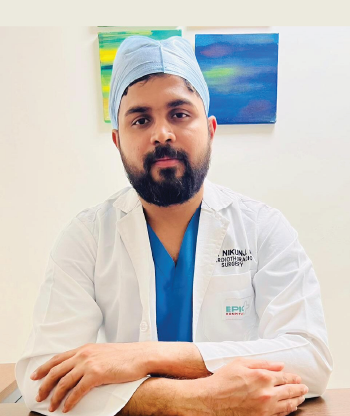
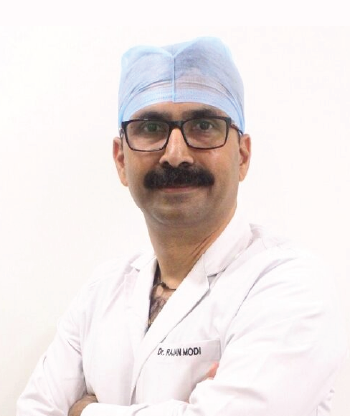
DR. ANIL JAIN
M.S., D.N.B.
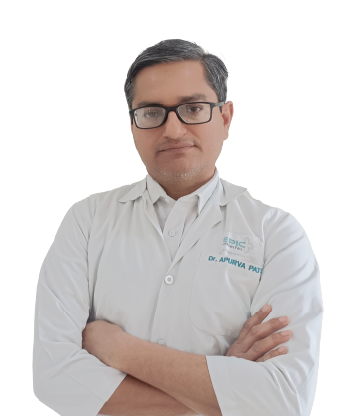

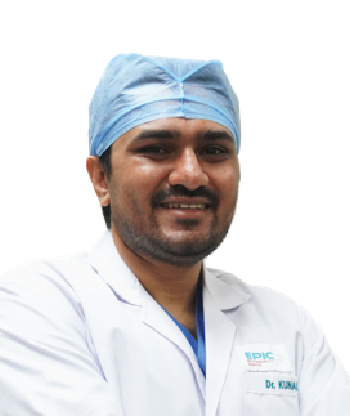
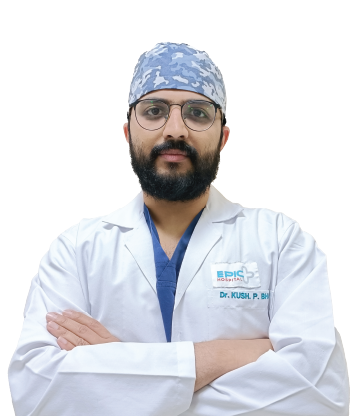

Talks By Our Expert Cardiac Doctors
Patient Journey at EPIC: Bypass Surgery
Patient Testimonial:- Heart Valve Replacement Surgery
CABG Surgery – Dr. Anoop Gupta and Dr. Anil Jain & Team
Bypass surgery – Patient Testimonial by Dr. Anil Jain
Bypass and Valve Replacement Surgery – Dr. Anil Jain
Patient Testimonial – Dr. Anil Jain
Talks By Our Expert Cardiac Doctors
Patient Testimonial – Dr. Anil Jain
Bypass and Valve Replacement Surgery – Dr. Anil Jain
Bypass surgery – Patient Testimonial by Dr. Anil Jain
CABG Surgery – Dr. Anoop Gupta and Dr. Anil Jain & Team
Patient Testimonial:- Heart Valve Replacement Surgery
Patient Journey at EPIC: Bypass Surgery
Blogs By Our Expert Cardiac

Valve Replacement Surgery in Ahmedabad - Frequently Asked Questions
What is the best valve replacement surgery option in Ahmedabad?
The best option depends on your age, lifestyle, and ability to manage anticoagulation. Mechanical valves offer lifelong durability at the cost of blood thinners. Tissue valves avoid blood thinners but may need replacement after 15–20 years. TAVI is available for high-risk patients. EPIC Hospital’s team will guide this decision with you.
How long does valve replacement surgery take?
A single valve replacement typically takes 2–4 hours. Combined procedures – such as valve replacement with CABG – take longer. Your surgeon will give you a specific estimate based on your anatomy and planned procedure.
Will I need to take blood thinners after valve replacement?
If you receive a mechanical valve, yes – lifelong anticoagulation with warfarin and regular INR monitoring are essential to prevent clot formation. Patients with tissue valves typically require anticoagulation only for the first 3 months. TAVI patients take dual antiplatelet therapy initially.
What is TAVI and who is eligible?
TAVI (Transcatheter Aortic Valve Implantation) replaces the aortic valve without open-heart surgery. Eligibility is determined by the heart team based on age, anatomy, surgical risk, and valve morphology. EPIC Hospital’s structural heart team evaluates TAVI candidates individually.
How much does valve replacement surgery cost in Ahmedabad?
The cost depends on the valve type, whether additional procedures are performed, and the duration of hospital stay. Contact EPIC Multispecialty Hospital Ahmedabad for a transparent cost estimate. Cashless insurance is available for eligible patients.
What happens if valve replacement surgery is delayed?
Delaying surgery once a valve is classified as severely diseased risks permanent left ventricular dysfunction, pulmonary hypertension, atrial fibrillation, and heart failure. Surgical outcomes are significantly better when the operation is performed before irreversible heart muscle damage has occurred.
Can valve replacement be done laparoscopically?
Valve replacement itself is not performed laparoscopically. However, minimally invasive cardiac surgery – using smaller sternal incisions, port-access techniques, or robotic assistance – can reduce recovery time and blood loss in selected patients.
What is structural heart disease?
Structural heart disease refers to abnormalities of the heart’s valves, walls, chambers, or related structures. Valve disease is the most common form. EPIC Hospital’s structural heart programme addresses both surgical and transcatheter treatment options.