
TAVI Treatment in Ahmedabad
A New Aortic Valve Without Opening the Chest
TAVI treatment in Ahmedabad – Transcatheter Aortic Valve Implantation – changed the treatment calculation entirely for patients with severe aortic stenosis who are unsuitable for open surgery. At EPIC Multispecialty Hospital, Ahmedabad, our structural heart team offers TAVI as a minimally invasive alternative – and increasingly, based on expanding evidence, as a preferred option even in intermediate-risk patients.
What Is TAVI and How Does It Work?
TAVI replaces a diseased aortic valve without stopping the heart and without opening the chest. A new biological valve, compressed onto a delivery catheter, is advanced from the femoral artery in the groin to the diseased native aortic valve. When deployed, the new valve pushes the calcified native valve leaflets aside and begins functioning immediately. No cardiopulmonary bypass. No sternotomy. The heart continues beating throughout.
Who Is TAVI Appropriate For?
Every patient with severe symptomatic aortic stenosis at EPIC Hospital is reviewed by our multidisciplinary heart team – interventional cardiologist, cardiac surgeon, cardiac anaesthetist, and imaging specialist – before a treatment recommendation is made. The recommendation is based on:
- The patient’s surgical risk score (EuroSCORE II, STS score)
- CT-based assessment of aortic root anatomy and vascular access
- The patient’s overall frailty, comorbidities, and life expectancy
- Patient preference – including implications for durability and future valve management
Primary Indications for TAVI at EPIC Hospital
- Severe symptomatic aortic stenosis (valve area below 1.0 cm²) in patients who are inoperable or at prohibitive surgical risk
- Severe aortic stenosis in patients at high or intermediate surgical risk where TAVI anatomy is favourable
- Valve-in-valve TAVI: deploying a new TAVI valve inside a previously implanted bioprosthetic surgical valve that has degenerated – avoiding a redo open-heart operation
The TAVI Procedure at EPIC Multispecialty Hospital
Pre-Procedure Assessment
A comprehensive CT scan of the aorta and peripheral vasculature is performed – providing precise measurements of the aortic annulus, root anatomy, and access vessels. Coronary angiography confirms whether significant coronary artery disease requires treatment before or at the time of TAVI in Ahmedabad.
The Procedure
TAVI is performed in our hybrid cardiac catheterisation laboratory under general anaesthesia or deep sedation. The standard approach is transfemoral – through the femoral artery in the groin. The delivery system is advanced to the aortic valve under fluoroscopic and echocardiographic guidance. The valve is positioned precisely at the aortic annulus and deployed. The whole procedure takes 60 to 120 minutes.
Recovery After TAVI
Most patients who receive a TAVI valve are out of bed within hours and transferred from intensive care to the ward within 24 hours. Hospital stay is typically 3 to 5 days. Compared to open surgical valve replacement, TAVI recovery is significantly faster – which is particularly significant for elderly or frail patients.
State-of-the-Art Modular Operating Theater

Emergency Services
Our dedicated emergency team is available 24/7 to provide immediate medical care and support in critical situations.

Get In Touch
BOOK AN APPOINTMENT
Find Best Cardiology Hospital in Ahmedabad
Why choose Epic Multispecialty Hospital for Cardiology care?

Our Team of Expert Cardiology Surgeons
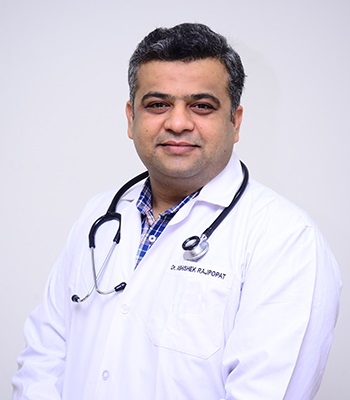
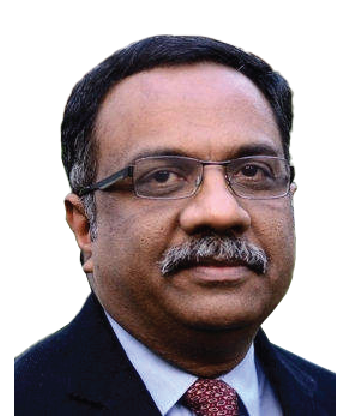
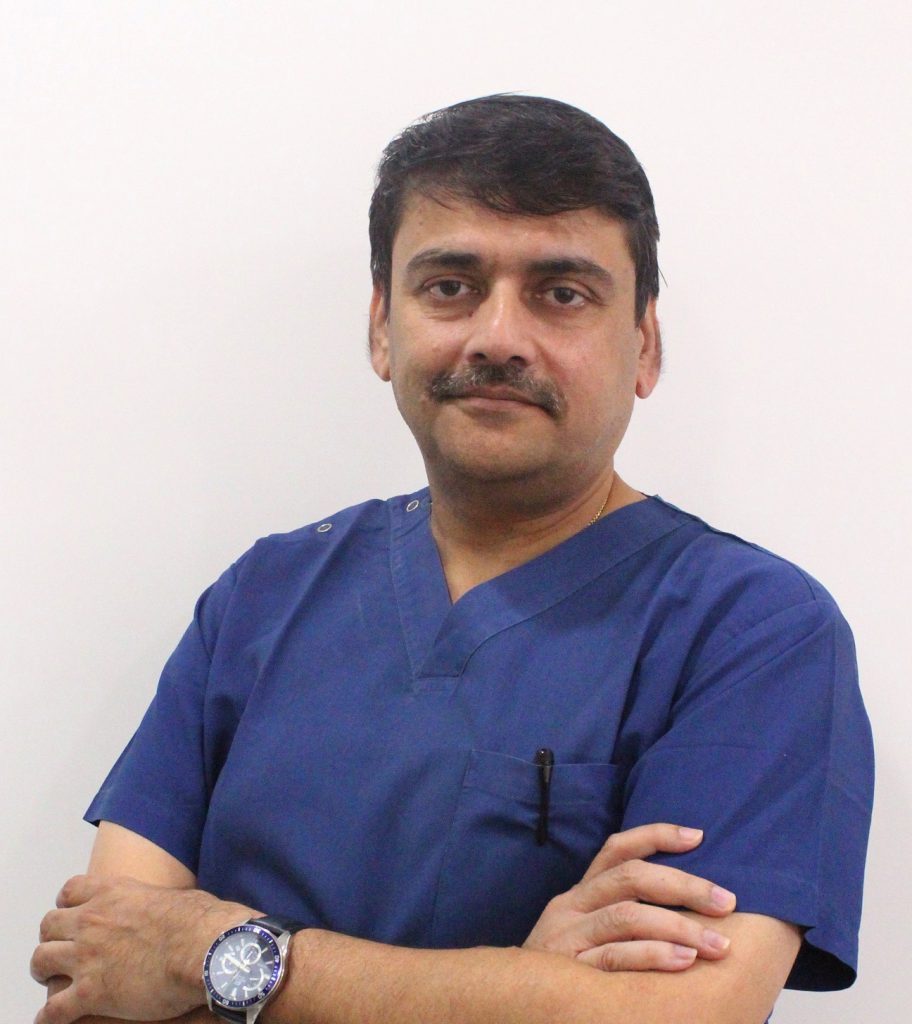
DR. ANOOP GUPTA
M.D., D.M., D.N.B., F.A.C.C., F.S.C.A.I.
INTERVENTIONAL CARDIOLOGIST & CARDIAC ELECTROPHYSIOLOGIST
Read More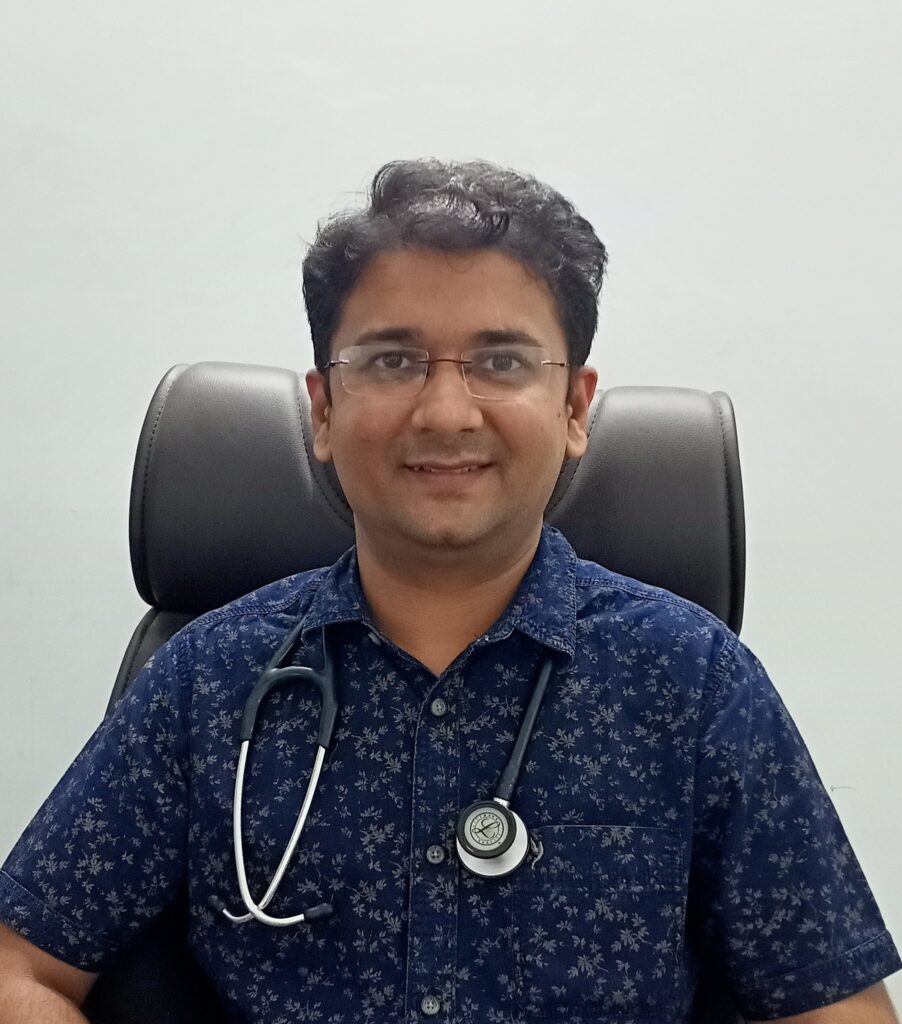




Talks By Our Expert Cardiology Doctors
Patient Journey at EPIC: Bypass Surgery
Patient Testimonial:- Heart Valve Replacement Surgery
CABG Surgery – Dr. Anoop Gupta and Dr. Anil Jain & Team
Bypass surgery – Patient Testimonial by Dr. Anil Jain
Bypass and Valve Replacement Surgery – Dr. Anil Jain
Patient Testimonial – Dr. Anil Jain
Talks By Our Expert Cardiology Doctors
Patient Testimonial – Dr. Anil Jain
Bypass and Valve Replacement Surgery – Dr. Anil Jain
Bypass surgery – Patient Testimonial by Dr. Anil Jain
CABG Surgery – Dr. Anoop Gupta and Dr. Anil Jain & Team
Patient Testimonial:- Heart Valve Replacement Surgery
Patient Journey at EPIC: Bypass Surgery
Blogs By Our Expert Cardiology
TAVI Treatment in Ahmedabad - Frequently Asked Questions
What is the difference between TAVI and TAVR?
TAVI (Transcatheter Aortic Valve Implantation) and TAVR (Transcatheter Aortic Valve Replacement) refer to exactly the same procedure. TAVI is the term used in Europe and India; TAVR is the preferred term in the United States. The procedure, the valves used, and the outcomes are identical – it is simply a naming convention difference.
How long does a TAVI valve last?
TAVI valves are bioprosthetic – constructed from biological tissue – and are subject to gradual structural deterioration over time. Ten-year data show valve durability in the region of 85 to 90% in older patients. When a TAVI valve eventually degenerates, valve-in-valve TAVI – placing a new valve inside the original one – is often possible without another open operation.
Will I need a pacemaker after TAVI?
Some patients require a permanent pacemaker after TAVI – the new valve’s frame can compress the conduction system just below the aortic annulus, causing heart block. The rate typically ranges from 5 to 20% depending on the specific valve and case characteristics. See our dedicated page on pacemaker implantation in Ahmedabad.
Is TAVI available under insurance in Ahmedabad?
Yes. EPIC Multispecialty Hospital works with a range of insurance providers for TAVI in Ahmedabad. Coverage varies significantly by policy – particularly regarding the TAVI valve device cost itself. Our patient services team will verify your specific coverage and provide a clear estimate of the patient contribution before any procedure is planned.
How long is recovery after TAVI compared to surgical valve replacement?
Most TAVI patients are mobilised within 24 hours and discharged within 3 to 5 days. Open surgical valve replacement typically requires 7 to 10 days in hospital, followed by 6 to 8 weeks of recovery at home before full activity is resumed. For elderly or frail patients, this difference in recovery time is one of the most important clinical arguments in favour of TAVI where anatomically feasible in Ahmedabad.
What happens if TAVI is not suitable for me?
If your anatomy or risk profile makes TAVI unsuitable, our structural heart team will review whether surgical valve replacement is the right option. No patient with severe symptomatic aortic stenosis should leave EPIC Hospital’s heart team review without a clear treatment recommendation.
Is TAVI related to any other procedures at EPIC Hospital?
Yes. Patients with combined aortic valve and coronary artery disease may be candidates for TAVAR treatment in Ahmedabad. Patients considering TAVI are also evaluated for TAVR treatment in Ahmedabad – both terms refer to the same procedure.
Is TAVI available for patients in their 50s or 60s?
This is an active area of clinical discussion. TAVI in younger, lower-risk patients must be weighed against the lifelong implications. For most patients under 65, surgical valve replacement – potentially with a mechanical valve – offers superior long-term certainty. The heart team assessment determines the right recommendation.