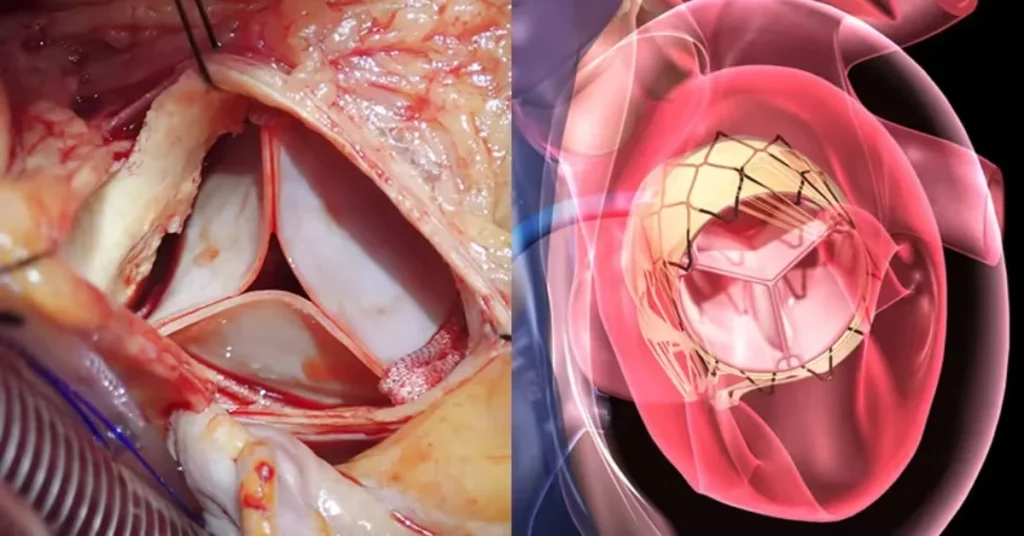
Valve Replacement Surgery in Ahmedabad — Choosing the Right Valve for Your Life
When a heart valve is too damaged to be repaired — because of severe calcification, extensive scarring from rheumatic fever, or structural failure beyond what surgery can reconstruct — valve replacement becomes the treatment that restores the heart to proper function.
Valve replacement surgery in Ahmedabad at EPIC Multispecialty Hospital is one of our most frequently performed and most refined cardiac procedures. But what makes it genuinely good medicine is not just the technical execution — it is the conversation that happens beforehand, when the right valve type is chosen specifically for your age, your lifestyle, and your long-term situation.
When Is Valve Replacement the Right Answer?
Repair is almost always tried first. Our cardiac surgeons push hard to reconstruct a valve rather than replace it when the anatomy allows — because your own tissue performs better than any prosthetic. But some valves cannot be repaired safely or durably, and in those situations, replacement is the right decision.
- Severely calcified aortic valve: A heavily calcified aortic valve cannot be repaired — the calcium is structural. Replacement, either surgical or through TAVI, is the only option once it becomes severely narrowed.
- Severely damaged mitral valve beyond repair: Extensive rheumatic damage, significant leaflet destruction from infection, or failed previous repair — when reconstruction is not feasible, replacement is the path forward.
- Failed prosthetic valve: A prosthetic valve implanted years earlier that has worn out or developed a problem requires redo valve replacement surgery. These reoperations are more complex, and our team has specific experience with them.
- Multi-valve disease: Two or even three valves affected by rheumatic disease — still very common in Gujarat. Careful surgical planning balances which valves to replace against operative time and risk.
Mechanical Valve or Tissue Valve — The Decision That Affects Your Life Long-Term
This is the most important conversation in valve replacement, and it deserves more than a quick recommendation.
A mechanical valve is made from carbon and metal. It can last a lifetime — which makes it attractive for younger patients who want to avoid a redo operation in 15 to 20 years. The trade-off is lifelong warfarin — a blood thinner that needs regular monitoring, careful dietary awareness, and carries a small but real bleeding risk. In Gujarat, managing warfarin requires genuine patient commitment and consistent follow-up.
A tissue valve is made from biological material — usually bovine or porcine pericardium. It does not require long-term blood thinners for most patients, which means a more normal daily life. But it degrades over time — typically lasting 10 to 20 years before a redo procedure becomes necessary. For a 75-year-old, that may never become an issue. For a 45-year-old, it means planning for a second operation.
For elderly patients or those with other conditions that make open surgery high-risk, TAVI — transcatheter aortic valve implantation, delivered through a catheter without opening the chest — is available at EPIC Hospital in Ahmedabad for suitable cases.
Valve Replacement Surgery at EPIC Hospital — What Recovery Looks Like
A single valve replacement typically takes 3 to 4 hours in the operating theatre. Most patients spend 1 to 2 days in our cardiac ICU and a further 4 to 6 days in the cardiac ward before going home. The sternum takes 6 to 8 weeks to heal fully, which is the main limiting factor for physical activity in the early weeks.
Driving, lifting, and strenuous activity are restricted during this healing period. Light daily activity resumes quickly — most patients are walking the ward within the first week. Cardiac rehabilitation begins before discharge and continues as an outpatient programme.
Valve Replacement Surgery in Ahmedabad — Questions Patients Ask
How long does a replaced heart valve last?
Mechanical valves can last a lifetime. Tissue valves typically last 10 to 20 years before re-intervention may be needed. The right choice depends on your age and lifestyle — your surgeon at EPIC Hospital will explain the specific recommendation for your situation.
Will I need blood thinners after valve replacement?
If you receive a mechanical valve, yes — lifelong warfarin is required. For a tissue valve, most patients need it for 3 months only. TAVI patients typically receive antiplatelet medication. Your cardiologist will manage your post-surgical medication regime.
Is TAVI available at EPIC Hospital in Ahmedabad as an alternative to open surgery?
Yes. TAVI is available for suitable patients with severe aortic stenosis who are considered high surgical risk. Suitability is assessed jointly by our interventional cardiologist and cardiac surgeon.
Can elderly patients safely have valve replacement surgery?
Age alone is not the deciding factor — overall health and fitness for surgery is. Many patients in their 70s and 80s have excellent outcomes from valve replacement. For those not fit for open surgery, TAVI provides a genuine alternative. We assess each patient individually.
Valve Replacement in Ahmedabad — Done Carefully, Every Time
Valve replacement surgery in Ahmedabad at EPIC Multispecialty Hospital means a team that has done this hundreds of times, a thorough conversation about the right valve for your life, and support from surgery through to full recovery.
Book a surgical consultation online, call our cardiac surgery team today, WhatsApp your echocardiography report for an initial assessment, or visit EPIC Hospital in Ahmedabad — and let’s plan this together.