Understanding Blood Cancers – Leukaemia, Lymphoma and Myeloma, Explained
Blood cancers are among the most confusing and frightening of all cancers for patients and families. They don’t form a lump you can point to, the names are unfamiliar and hard to keep straight, and they often appear without warning. If you or someone you love has been diagnosed with a blood cancer – or you’re worried about symptoms – understanding the basics brings real comfort amid the uncertainty.
Here’s a clear, gentle explanation of what blood cancers are, the main types, and – importantly – the hopeful truth that treatment for these cancers has advanced enormously, with many people now living long, full lives after diagnosis.
What Are Blood Cancers?
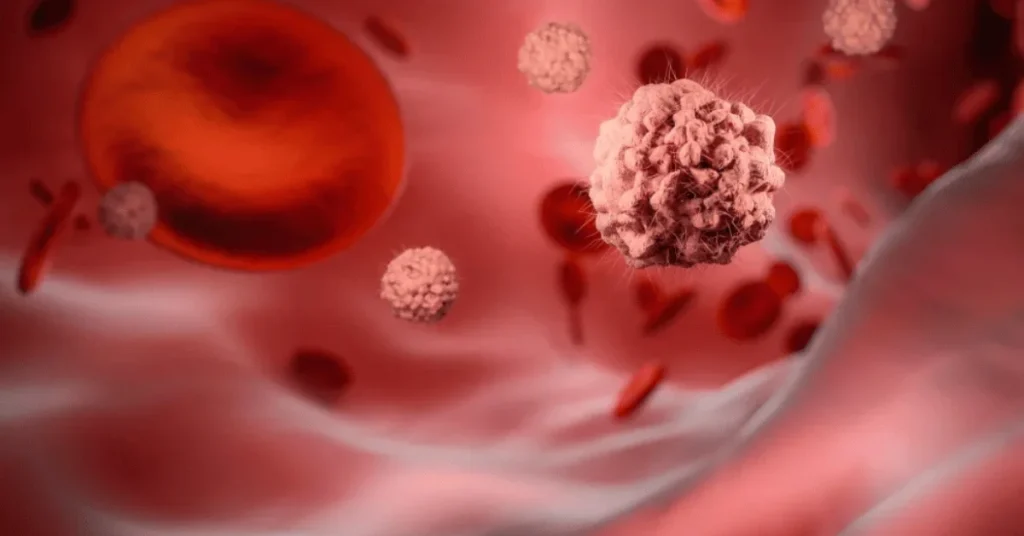
Unlike cancers that form a solid tumour in an organ, blood cancers affect the blood, the bone marrow (the spongy tissue inside bones where blood cells are made), and the lymphatic system (part of the body’s immune defence). They happen when blood cells develop abnormally and don’t work or grow as they should. Because blood travels everywhere, these cancers affect the whole body – which is part of why they’re treated differently from solid tumours, often with medicines rather than surgery.
The Three Main Types – Simply Explained
- Leukaemia: A cancer affecting the blood and bone marrow, where abnormal white blood cells are produced. It can be fast-developing (acute) or slow-developing (chronic), and affects both children and adults. Treatment has advanced dramatically, and many leukaemias are now very treatable.
- Lymphoma: A cancer of the lymphatic system, often first noticed as a painless swelling of a lymph node – in the neck, armpit, or groin. There are different types, and many lymphomas respond very well to treatment, with high rates of long-term control or cure.
- Myeloma: A cancer of certain cells in the bone marrow, which can affect the bones, kidneys, and immunity. While it’s a serious condition, treatment has improved enormously in recent years, and many people live well with it for a long time.
Signs That Might Prompt a Check
Blood cancer symptoms are often vague and can resemble many ordinary illnesses – which is why persistent, unexplained symptoms matter. These can include unusual or persistent tiredness, frequent or repeated infections, easy bruising or bleeding, unexplained weight loss, night sweats, persistent fever, or painless swollen lymph nodes. Most often these have innocent causes, but when they persist or several occur together, a simple blood test and assessment can clarify things. Getting checked brings either reassurance or early diagnosis – both valuable.
Blood cancers are treated by specialists called haemato-oncologists, often using chemotherapy, targeted medicines, and sometimes bone marrow approaches – and treatment has advanced remarkably. You can read about the care and the specialist team on our page for the best blood cancer hospital in Ahmedabad.
Questions People Ask About Blood Cancers
Are blood cancers treatable?
Yes – and treatment has advanced enormously in recent years. Many leukaemias and lymphomas are now very treatable, with high rates of long-term control or cure, and people with myeloma often live well for many years. The outlook depends on the specific type and individual situation, but there is real and well-founded reason for hope.
I’ve had a swollen lymph node for weeks. Is it lymphoma?
Most swollen lymph nodes are caused by infections, not cancer, and settle on their own. But a painless, persistent swelling that lasts more than a few weeks should be checked. A simple assessment can determine the cause – usually providing reassurance, and occasionally allowing early diagnosis.
How are blood cancers diagnosed?
Often starting with a simple blood test, followed by further tests such as bone marrow examination or imaging if needed. Because the early symptoms can be vague, these tests are how a clear diagnosis is reached. If you have persistent unexplained symptoms, an assessment is the right first step.
How are blood cancers treated if there’s no tumour to remove?
Because blood cancers affect the whole body, they’re usually treated with medicines – chemotherapy, targeted therapies, immunotherapy – rather than surgery, and sometimes with bone marrow approaches. A haemato-oncologist designs a treatment plan tailored to the specific type of blood cancer.
Face a Blood Cancer Diagnosis With Hope and Expert Care
Blood cancers are frightening, but treatment has advanced remarkably – and expert, compassionate care makes a real difference. Book a consultation online, call our haemato-oncology team, WhatsApp your reports for review, or visit EPIC Hospital in Ahmedabad and find the specialist support and hope you need.