
The Best Blood Cancer Hospital in Ahmedabad — Expert Haematological Oncology at EPIC Multispecialty Hospital
Blood cancers — leukaemias, lymphomas, multiple myeloma, myelodysplastic syndromes, and myeloproliferative neoplasms — are a diverse group of haematological malignancies that collectively represent a significant cancer burden in Ahmedabad and Gujarat. Unlike most solid tumours, blood cancers are diagnosed from blood tests, bone marrow examinations, and lymph node biopsies rather than imaging-guided tissue sampling — and their treatment does not involve surgery as primary therapy, but instead relies on complex chemotherapy protocols, targeted molecular therapies, immunotherapy, and haematopoietic stem cell transplantation (HSCT) for appropriate patients.
At EPIC Multispecialty Hospital, Ahmedabad, blood cancer treatment is delivered by specialist haematologists through a dedicated haematological oncology programme — covering the full range of diagnosis (bone marrow biopsy, immunophenotyping, cytogenetics, molecular testing), chemotherapy protocol administration, targeted therapy, and autologous and allogeneic stem cell transplantation. The programme is supported by a dedicated oncology day unit, inpatient haematology beds, blood bank and transfusion medicine, infectious disease coordination, and the intensive care capability required for the myelosuppressive treatment that haematological malignancies require.
Patients with blood cancers from across Gujarat — from Vadodara, Surat, Rajkot, Gandhinagar, Anand, Nadiad, Bharuch, and Mehsana — seek haematological oncology care at EPIC Multispecialty Hospital, Ahmedabad, because the combination of haematology subspecialty expertise, transplant capability, and modern targeted therapy access available here is not uniformly available across the region.
Blood Cancer Treatment at EPIC Multispecialty Hospital, Ahmedabad —Comprehensive Haematological Oncology
- Acute leukaemia — AML and ALL: Acute myeloid leukaemia (AML) is treated with intensive induction chemotherapy — cytarabine plus an anthracycline (7+3 regimen) — aiming for complete remission. Molecular and cytogenetic risk stratification (ELN 2022 criteria) determines consolidation strategy: favourable-risk AML receives consolidation chemotherapy; intermediate and adverse-risk AML is referred for allogeneic stem cell transplant in first complete remission where a suitable donor exists. Acute lymphoblastic leukaemia (ALL) uses multi-agent induction protocols (paediatric-inspired regimens for adults under 55 — achieving 90 to 95 percent complete remission), CNS prophylaxis/treatment, and maintenance therapy for 2 to 3 years. Philadelphia chromosome-positive ALL receives TKI therapy (dasatinib, ponatinib) combined with chemotherapy. At EPIC Multispecialty Hospital, Ahmedabad, acute leukaemia management follows current ELN and ESMO guidelines.
- Lymphoma — Hodgkin and non-Hodgkin: Hodgkin lymphoma (HL) is the most curable haematological malignancy — ABVD chemotherapy (doxorubicin, bleomycin, vinblastine, dacarbazine) achieves 80 to 90 percent cure in early and advanced-stage disease. Advanced-stage HL uses BEACOPP (escalated) for high-risk disease. PET-CT response assessment after 2 cycles guides de-escalation or escalation. Relapsed/refractory HL receives brentuximab vedotin-based salvage followed by autologous SCT. Diffuse large B-cell lymphoma (DLBCL — the most common aggressive NHL) is treated with R-CHOP (rituximab, cyclophosphamide, doxorubicin, vincristine, prednisolone) for 6 cycles. Double-hit lymphoma and CNS-IPI high-risk DLBCL receive intensified therapy. Follicular lymphoma, marginal zone lymphoma, and other indolent NHLs receive watch-and-wait (asymptomatic low-burden disease), rituximab-based therapy, or localised radiotherapy. T-cell lymphomas — PTCL-NOS, ALCL, AITL — receive CHOP-based or novel regimens.
- Multiple myeloma: Multiple myeloma — a plasma cell malignancy producing monoclonal immunoglobulin — is treated with triplet induction therapy (VRd — bortezomib, lenalidomide, dexamethasone — standard in India) followed by high-dose melphalan and autologous SCT for transplant-eligible patients, and lenalidomide maintenance post-transplant (CALGB 100104 trial). Non-transplant eligible patients receive VRd, Rd (lenalidomide-dexamethasone), or VMP (bortezomib-melphalan-prednisolone). Daratumumab-based quadruplet regimens (Dara-VRd, Dara-VMP) are increasingly used as first-line therapy. Relapsed/refractory myeloma is managed with carfilzomib, pomalidomide, daratumumab, elotuzumab, selinexor, or isatuximab-based combinations. At EPIC Multispecialty Hospital, Ahmedabad, myeloma management incorporates current IMW consensus guidelines.
- CML and MPN — targeted therapy: Chronic myeloid leukaemia (CML) in chronic phase is managed with TKI therapy (imatinib — first-line, dasatinib, nilotinib, bosutinib, asciminib for resistance or intolerance). BCR-ABL molecular response is monitored by PCR — major molecular response (MMR) is the treatment milestone. TKI discontinuation trials (DESTINY, EURO-SKI) demonstrate that 40 to 50 percent of patients achieving sustained deep molecular response can safely stop TKI therapy. Myeloproliferative neoplasms (polycythaemia vera, essential thrombocythaemia, myelofibrosis) are managed with cytoreduction (hydroxyurea), phlebotomy for PV, JAK inhibitors (ruxolitinib) for myelofibrosis symptom control, and allogeneic SCT for high-risk myelofibrosis.
- Stem cell transplant — autologous and allogeneic: Autologous stem cell transplant (ASCT) — using the patient’s own collected stem cells after high-dose melphalan conditioning — is the consolidation standard for transplant-eligible multiple myeloma patients at EPIC Multispecialty Hospital, Ahmedabad. ASCT is also used for relapsed Hodgkin lymphoma and selected aggressive NHL in chemotherapy-sensitive relapse. Allogeneic stem cell transplant (alloSCT) — using matched related donor (MRD), matched unrelated donor (MUD), or haploidentical donor cells — is the potentially curative approach for high-risk AML and ALL in remission, CML in blast phase, severe aplastic anaemia, and high-risk myelodysplastic syndrome. GvHD prophylaxis, infection management, and immunosuppression tapering are managed by our transplant haematology team.
- Supportive care in haematological malignancy: Blood transfusion (red cells, platelets) — managed by our dedicated blood bank — is required throughout intensive chemotherapy and the transplant aplastic phase. Febrile neutropenia — a life-threatening complication of myelosuppressive chemotherapy — is managed with empirical broad-spectrum antibiotics (piperacillin-tazobactam, carbapenems for high-risk) and antifungal prophylaxis (posaconazole or micafungin). Granulocyte colony-stimulating factor (G-CSF — filgrastim, pegfilgrastim) is used for mobilisation and post-chemotherapy recovery. Our haematology nursing team at EPIC Hospital Ahmedabad is trained in central line management, port access, and chemotherapy administration.
Blood Cancer in Ahmedabad — Why Specialist Haematology Changes Outcomes
Blood cancers are managed differently from solid tumours in one critical respect: the treatment protocols are highly specific to disease subtype, cytogenetic risk, molecular markers, and treatment response — and the consequences of applying the wrong protocol, or of applying the right protocol incorrectly, are serious. A patient with AML harbouring FLT3-ITD mutation who receives standard 7+3 induction without FLT3 inhibitor addition (midostaurin — RATIFY trial) misses a treatment that improves overall survival. A patient with Ph+ ALL who receives chemotherapy without a TKI misses treatment that has transformed outcomes in this disease. A patient with multiple myeloma who receives VMP when Dara-VRd is appropriate foregoes deeper initial response that translates to longer progression-free survival.
These distinctions require a haematologist who follows current evidence and applies contemporary guidelines — not a physician who manages blood cancers occasionally alongside other conditions. The depth of haematological oncology knowledge required to make these treatment decisions correctly is the primary argument for specialist haematological oncology care at a dedicated centre. At EPIC Multispecialty Hospital, Ahmedabad, our haematologists manage blood cancers as their primary subspecialty — maintaining currency with the rapidly evolving treatment landscape, participating in multidisciplinary case discussions, and applying the evidence-based protocols that current haematological oncology requires.
For patients in Ahmedabad and Gujarat who have received a blood cancer diagnosis — leukaemia, lymphoma, myeloma — the most important first steps are accurate cytogenetic and molecular characterisation of the disease (which determines the specific protocol and targeted therapy options), assessment for stem cell transplant eligibility, and access to a haematologist whose treatment recommendations reflect current evidence. At EPIC Multispecialty Hospital, Ahmedabad, these steps are standard for every blood cancer patient — because the quality of diagnosis and initial treatment planning sets the trajectory for the entire disease course.
Know Your Signs

Emergency Services
Our dedicated emergency team is available 24/7 to provide immediate medical care and support in critical situations.

Get In Touch
BOOK AN APPOINTMENT
Find Best Oncology, Haematology & Bone Marrow Transplant Hospital in Ahmedabad
Why Choose EPIC Multispecialty Hospital?

Our Team of Expert Doctors
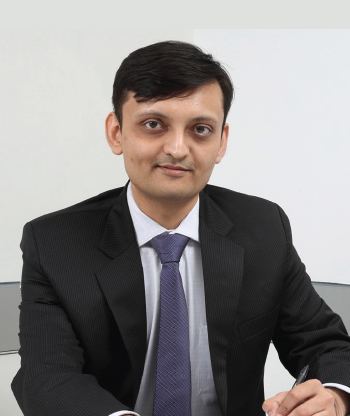

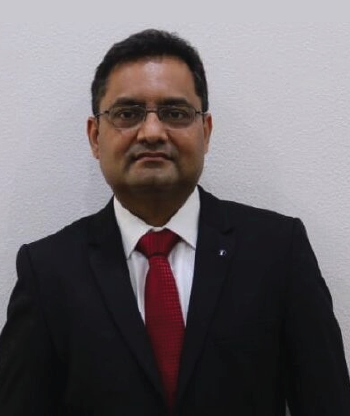
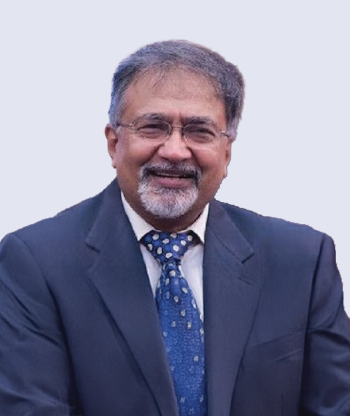
DR. SANDIP SHAH
M.D., FELLOWSHIP IN MEDICAL ONCOLOGY
CONSULTANT HAEMATOLOGIST & ONCOLOGIST, HEAD OF BMT
Read More
DR. SANKET SHAH
M.D., D.M., P.D.F.
HAEMATO ONCOLOGIST & HEMATOLOGIST, BONE MARROW TRANSPLANT & CELLULAR THERAPY SPECIALIST
Read MoreTalks By Our Oncology, Haematology & Bone Marrow Transplant Expert Doctors
World Sickle Cell Awareness 23 by Dr. Ankit Raiyani, Haematologist & BoneMarrow Transplant Physician
Healthy life tips by Dr. Dhiren Parikh – EPIC Hospital Ahmedabad
Acute Erythroid Leukemia – Dr. Sandip Shah
Talks By Our Oncology, Haematology & Bone Marrow Transplant Expert Doctors
Acute Erythroid Leukemia – Dr. Sandip Shah
World Sickle Cell Awareness 23 by Dr. Ankit Raiyani, Haematologist & BoneMarrow Transplant Physician
Healthy life tips by Dr. Dhiren Parikh – EPIC Hospital Ahmedabad
Blogs By Our Oncology, Haematology & Bone Marrow Transplant Expert
Frequently Asked Questions - Bone Marrow Transplant Centre in Ahmedabad
What is a bone marrow transplant and how does it work?
A bone marrow transplant (BMT) – more accurately called haematopoietic stem cell transplantation (HSCT) – involves replacing a patient’s diseased or destroyed bone marrow with healthy stem cells capable of producing normal blood cells. High-dose conditioning chemotherapy (with or without radiation) first destroys the existing marrow, then donor or the patient’s own collected stem cells are infused intravenously. These cells migrate to the bone marrow and begin producing healthy red blood cells, white blood cells, and platelets over 10 to 21 days – a process called engraftment.
What conditions are treated with bone marrow transplant at EPIC Hospital Ahmedabad?
EPIC Multispecialty Hospital, Ahmedabad, performs bone marrow transplant for acute myeloid leukaemia (AML), acute lymphoblastic leukaemia (ALL), multiple myeloma, Hodgkin and non-Hodgkin lymphoma, myelodysplastic syndromes (MDS), aplastic anaemia, chronic myeloid leukaemia (CML), and thalassaemia major. The appropriate transplant type – autologous or allogeneic – depends on the specific diagnosis, disease stage, patient age, and donor availability.
What is the difference between autologous and allogeneic bone marrow transplant?
In autologous transplant, the patient’s own stem cells are collected before conditioning and reinfused afterward – used mainly for multiple myeloma and lymphomas. In allogeneic transplant, stem cells come from a matched donor (sibling, unrelated, or haploidentical family member). Allogeneic transplant carries a graft-versus-tumour effect that can eliminate residual disease but also risks graft-versus-host disease (GvHD), where donor immune cells attack the recipient’s tissues. Our haematology team at EPIC Hospital Ahmedabad selects the appropriate type based on diagnosis and patient profile.
How is a bone marrow donor found for allogeneic transplant in Ahmedabad?
Donor identification begins with HLA typing of the patient and immediate family members – an HLA-matched sibling is the preferred donor. If no matched sibling is available, we search national and international unrelated donor registries. For patients without a fully matched donor, haploidentical (half-matched) transplant using a parent, sibling, or child is an option with post-transplant cyclophosphamide (PT-Cy) protocols. HLA typing and donor search are coordinated by our transplant team at EPIC Multispecialty Hospital, Ahmedabad.
What is graft-versus-host disease (GvHD) and how serious is it?
GvHD occurs when donor immune cells recognise the recipient’s tissues as foreign and attack them – affecting primarily the skin, gut, and liver. Acute GvHD occurs within the first 100 days; chronic GvHD can develop later and persist for years. Mild GvHD is manageable and sometimes carries a beneficial graft-versus-tumour effect. Severe GvHD is a serious complication requiring intensive immunosuppression. Our transplant team at EPIC Hospital Ahmedabad uses established prophylaxis protocols and monitors closely for early signs of GvHD throughout the transplant period.
How long does a bone marrow transplant take and what is the hospital stay?
The transplant process spans several phases: pre-transplant evaluation (2–4 weeks), stem cell mobilisation and collection for autologous transplant (1–2 weeks), conditioning chemotherapy (5–10 days depending on the regimen), the transplant day itself (a few hours – stem cell infusion), and the post-transplant engraftment period (typically 2–4 weeks inpatient). Most patients remain at EPIC Multispecialty Hospital, Ahmedabad, for 4 to 6 weeks in total during the active transplant phase, with close outpatient follow-up for several months afterward.
Can bone marrow transplant cure blood cancer?
For certain blood cancers, transplant offers the best chance of long-term remission or cure – particularly for AML and ALL in first or second remission, aplastic anaemia, thalassaemia major, and some lymphomas. For multiple myeloma, autologous transplant deepens responses and prolongs progression-free survival significantly, though myeloma is rarely cured. The probability of long-term remission depends on the specific disease, stage at transplant, conditioning regimen, and post-transplant disease monitoring. Our haematology team at EPIC Hospital Ahmedabad will give you realistic, evidence-based expectations for your specific situation.
What is the cost of bone marrow transplant in Ahmedabad at EPIC Hospital?
Bone marrow transplant cost at EPIC Multispecialty Hospital, Ahmedabad, varies significantly based on transplant type (autologous vs. allogeneic), the conditioning regimen used, hospital stay duration, supportive medications, and post-transplant follow-up requirements. Allogeneic transplant, which involves donor identification, HLA typing, and GvHD management, carries higher costs than autologous. We provide transparent cost counselling during the pre-transplant evaluation. Government scheme coverage (PM-JAY and others) and insurance pre-authorisation are coordinated by our team. Contact us for a detailed personalised estimate.
Is EPIC Multispecialty Hospital Ahmedabad a good bone marrow transplant centre?
EPIC Multispecialty Hospital, Ahmedabad, operates a dedicated BMT centre with HEPA-filtered transplant unit, apheresis capability for stem cell collection, HLA typing access, and a transplant team experienced in both autologous and allogeneic procedures. Our haematology and transplant programme manages patients from across Gujarat – including Surat, Vadodara, Rajkot, Gandhinagar, and Anand – as well as from Rajasthan, Madhya Pradesh, and Maharashtra. For patients in the region seeking a comprehensive BMT centre without travelling to Mumbai or Delhi, EPIC Hospital Ahmedabad provides that access.
Is bone marrow transplant available for thalassaemia patients in Ahmedabad?
Yes. Allogeneic bone marrow transplant from an HLA-matched sibling donor is the only curative treatment for thalassaemia major, and EPIC Multispecialty Hospital, Ahmedabad, offers this for eligible patients. Candidacy is assessed using the Lucarelli classification – evaluating hepatomegaly, liver fibrosis, and the quality of pre-transplant chelation therapy. Patients with Class I or II disease and a matched sibling donor have excellent outcomes with transplant. Our transplant team will evaluate your child’s or family member’s suitability and discuss the procedure, risks, and realistic outcomes in detail.
Bone Marrow Transplant Centre in Ahmedabad – EPIC Multispecialty Hospital
Bone marrow transplantation is not a decision made quickly or lightly – it requires thorough evaluation, honest discussion of expected outcomes and risks, careful donor identification, and the right institutional infrastructure to deliver it safely. At EPIC Multispecialty Hospital, Ahmedabad, our bone marrow transplant centre provides all of this in one place, without the need to move between institutions for different phases of the same treatment.
Book a haematology and transplant evaluation at EPIC Multispecialty Hospital Ahmedabad online, call our team today, WhatsApp your blood reports, bone marrow biopsy results, or clinical summary for an initial review, or visit our bone marrow transplant centre in Ahmedabad directly – and get the expert assessment your condition requires.