
Vertigo & Dizziness Treatment in Ahmedabad - Specialist Balance Disorder Care at EPIC Hospital
Vertigo and dizziness are among the most common presenting complaints in neurology – and among the most inconsistently managed. The spectrum of dizziness is wide: benign paroxysmal positional vertigo (BPPV), the most common vestibular disorder, can be cured in a single clinic visit with the Epley manoeuvre. Posterior circulation stroke presents as acute vertigo and requires urgent imaging and intervention. Ménière’s disease requires long-term management with dietary modification and medication. Confusing these conditions – which happens frequently in primary care settings – leads to patients being treated incorrectly for months.
At EPIC Multispecialty Hospital, Ahmedabad, our neurology team applies the Dix-Hallpike test, head impulse test, and HINTS examination to distinguish peripheral from central vertigo at the bedside, treating BPPV with repositioning manoeuvres where appropriate and investigating central causes urgently when red flags are present.
Patients from across Ahmedabad – from Bopal, Satellite, Bodakdev, and the SG Highway area – as well as from Gandhinagar, Vadodara, and Surat attend our vertigo clinic because they want a diagnosis that makes sense and a treatment that addresses what is actually causing their symptoms.
Types of Vertigo and Dizziness Treated at EPIC Multispecialty Hospital, Ahmedabad
- Benign Paroxysmal Positional Vertigo (BPPV): The most common cause of vertigo – episodes of intense spinning lasting seconds, triggered by specific head movements (rolling over in bed, looking up, bending forward). Caused by displaced calcium carbonate crystals (otoconia) in the semicircular canals. Diagnosed with the Dix-Hallpike test at EPIC Hospital Ahmedabad, which elicits characteristic nystagmus. Treated in the same sitting with the Epley repositioning manoeuvre – resolution in a single visit in most cases. There is no need for weeks of vestibular sedative medication in BPPV.
- Vestibular neuritis and labyrinthitis: Acute, sustained severe vertigo lasting days – typically following a viral illness – with nausea and vomiting but no hearing loss (vestibular neuritis) or with associated hearing loss (labyrinthitis). Managed with short-course vestibular suppressants (prochlorperazine, dimenhydrinate) acutely, followed by vestibular rehabilitation exercises that accelerate central compensation. Corticosteroids may be given in the acute phase. Most patients recover over 4 to 6 weeks.
- Ménière’s disease: Episodic vertigo lasting 20 minutes to several hours, associated with fluctuating unilateral hearing loss, tinnitus, and aural fullness – caused by endolymphatic hydrops in the inner ear. Management at EPIC Multispecialty Hospital, Ahmedabad, includes low-salt diet, diuretics (hydrochlorothiazide-triamterene), betahistine, and in refractory cases, intratympanic gentamicin or steroid injections, or surgical options coordinated with ENT. MRI of the internal auditory canals is performed to exclude retrocochlear pathology.
- Central vertigo – posterior circulation stroke and TIA: Vertigo caused by brainstem or cerebellar stroke or TIA is a neurological emergency. The HINTS examination – Head Impulse test, Nystagmus pattern, Test of Skew – performed at the bedside by an experienced clinician is more sensitive than CT for posterior circulation stroke in the first 24 to 48 hours. At EPIC Multispecialty Hospital, Ahmedabad, patients presenting with acute continuous vertigo with any red flag features (headache, diplopia, dysphagia, ataxia, new facial numbness) receive urgent MRI brain, not reassurance and vestibular sedatives.
- Vestibular migraine: Migraine-associated vertigo is the second most common cause of episodic vertigo – episodes of vertigo lasting minutes to hours, associated with migraine features (headache, photophobia, phonophobia), and often with a personal or family history of migraine. Vestibular migraine is underrecognised and undertreated. Management follows migraine principles – acute vestibular suppressants for episodes and preventive migraine therapy to reduce frequency.
- Persistent Postural-Perceptual Dizziness (PPPD): A chronic functional vestibular disorder characterised by persistent dizziness, unsteadiness, and non-spinning vertigo persisting for months – often following an acute vestibular event, panic disorder, or other trigger. Managed with a combination of vestibular rehabilitation, cognitive behavioural therapy, and where indicated, SSRIs or SNRIs. PPPD is one of the most underdiagnosed causes of chronic dizziness in Ahmedabad.
- Vestibular rehabilitation: A structured programme of balance exercises and gaze stabilisation exercises that promotes central compensation for vestibular deficits. Effective for vestibular neuritis, unilateral vestibular loss, and PPPD. Our neurologists at EPIC Hospital Ahmedabad prescribe and supervise vestibular rehabilitation programmes as part of the comprehensive vertigo management pathway.
Why Correct Diagnosis Is Everything in Vertigo Treatment in Ahmedabad
Vertigo is one of the areas in neurology where a single correct clinical examination changes management most dramatically. A patient with BPPV who has been given prochlorperazine and told to rest for two weeks has been managed symptomatically when a five-minute Epley manoeuvre at EPIC Hospital Ahmedabad would have resolved their problem permanently. A patient whose posterior circulation TIA presented as vertigo and was sent home with vestibular sedatives is at high risk of a completed stroke in the days that follow. These are not hypothetical errors – they are common.
The HINTS examination – performed by a neurologist experienced in its interpretation – is the most powerful tool at the bedside for distinguishing dangerous central vertigo from benign peripheral vertigo. A normal horizontal head impulse test (normal VOR reflex), any direction-changing nystagmus, or any vertical skew deviation reliably identifies a central cause requiring urgent MRI. Our neurologists at EPIC Multispecialty Hospital, Ahmedabad, apply HINTS in every patient presenting with acute continuous vertigo – not CT alone, which misses up to 40 percent of posterior fossa strokes in the first 24 hours.
Chronic dizziness in Ahmedabad is frequently overtreated with betahistine, cinnarizine, and prochlorperazine for months and years without any attempt to establish a specific diagnosis. Vestibular suppressants should not be used long-term – they impair vestibular compensation and prolong recovery. Patients with chronic dizziness in Ahmedabad deserve a systematic diagnostic assessment that distinguishes PPPD from Ménière’s disease from vestibular migraine from bilateral vestibular hypofunction – because each has a specific management approach that vestibular suppressants cannot provide.
Neurological Expertise We Offer

Emergency Services
Our dedicated emergency team is available 24/7 to provide immediate medical care and support in critical situations.

Get In Touch
BOOK AN APPOINTMENT
Find Best Neurology Hospital in Ahmedabad
Why choose Epic Multispecialty Hospital for Neurology care?

Our Team of Expert Neurologist & Neuroradiologist

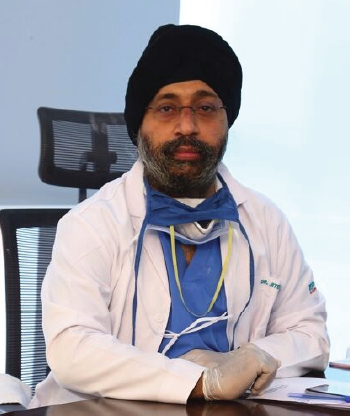
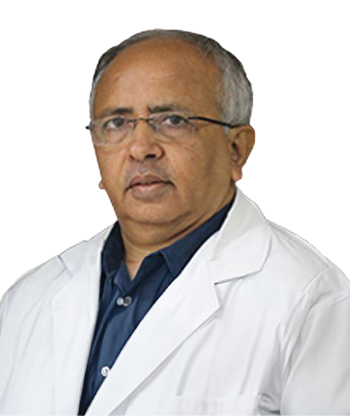
Talks By Our Expert Neurologist & Neuroradiologist Doctors
Dr. Jitender Singh
Dr. Jitender Singh Tuteja, Neurophysician – Epic Hospital speaking on Autistic Pride Day 2023
Neuro Treatment by Dr.Jitendra Singh Neurologist EPIC Hospital Ahmedabad Review Ms.Darshita Joshi
Our Patient Testimonial Neurologist & Neuroradiologist
Neuro Treatment by Dr.Jitendra Singh Neurologist EPIC Hospital Ahmedabad Review Ms.Darshita Joshi
Dr. Jitender Singh
Dr. Jitender Singh Tuteja, Neurophysician – Epic Hospital speaking on Autistic Pride Day 2023
Blogs By Our Expert Neurologist & Neuroradiologist
Frequently Asked Questions - Vertigo & Dizziness Treatment in Ahmedabad
What is the difference between vertigo and dizziness?
Vertigo is the specific sensation of spinning or movement – either the patient feels they are spinning, or the environment is spinning around them. Dizziness is a broader term encompassing lightheadedness, unsteadiness, and presyncope (feeling faint) as well as vertigo. Distinguishing the exact nature of the symptom is the first step toward correct diagnosis at our neurology clinic in Ahmedabad.
What is BPPV and can it be cured?
BPPV (Benign Paroxysmal Positional Vertigo) is the most common cause of vertigo – brief intense spinning triggered by head movements, caused by displaced otoconia in the semicircular canals. It is diagnosed with the Dix-Hallpike test and treated with the Epley repositioning manoeuvre. Most patients are cured in a single clinical visit at EPIC Multispecialty Hospital, Ahmedabad. Medication alone does not treat BPPV.
Is vertigo always a sign of something serious?
Most vertigo is benign – BPPV, vestibular neuritis, and vestibular migraine account for the majority of cases and are not life-threatening. However, vertigo can be the presenting symptom of posterior circulation stroke or TIA, which are medical emergencies. Red flags including sudden onset, headache, diplopia, difficulty swallowing, or arm and leg weakness accompanying vertigo require urgent assessment at EPIC Multispecialty Hospital, Ahmedabad.
What is the Epley manoeuvre and is it available at EPIC Hospital Ahmedabad?
The Epley manoeuvre is a series of four head position changes performed by a clinician to move displaced otoconia from the posterior semicircular canal back to the utricle – resolving BPPV. It takes about 5 minutes and resolves BPPV in 80 to 90 percent of cases after one or two treatments. Yes, the Epley manoeuvre is performed at EPIC Multispecialty Hospital, Ahmedabad, by our neurology team.
What is Ménière's disease and how is it managed?
Ménière’s disease is characterised by episodic vertigo (lasting 20 minutes to hours), fluctuating unilateral hearing loss, tinnitus, and aural fullness. It is caused by excess fluid pressure in the inner ear (endolymphatic hydrops). Management includes a low-sodium diet, diuretics, betahistine, and in refractory cases, intratympanic injections or surgical options. MRI is performed to exclude retrocochlear causes of unilateral hearing loss.
What is vestibular migraine?
Vestibular migraine is episodic vertigo associated with migraine – episodes lasting minutes to hours, often without headache, in patients with a migraine history. It is the second most common cause of episodic vertigo after BPPV and is frequently misdiagnosed. Treatment follows migraine management principles – acute therapy and preventive medications when episodes are frequent.
What investigations are done for vertigo at EPIC Hospital Ahmedabad?
Investigation depends on clinical findings. BPPV with classic features needs no investigation before treatment. Suspected Ménière’s disease requires audiometry and MRI internal auditory canals. Central vertigo with red flags requires urgent MRI brain (diffusion-weighted sequences for stroke). Vestibular function tests and posturography may be performed for chronic balance disorders.
What is the cost of vertigo treatment at EPIC Multispecialty Hospital Ahmedabad?
Vertigo consultation fees at EPIC Hospital Ahmedabad vary based on the consultant. Epley manoeuvre is performed as part of the neurology consultation for BPPV. MRI brain and audiometry carry separate fees where indicated. Please contact our patient services team for current pricing.
Vertigo & Dizziness Treatment in Ahmedabad – EPIC Multispecialty Hospital
Vertigo and dizziness treatment at EPIC Multispecialty Hospital, Ahmedabad, starts with a clinical examination that distinguishes what is causing your symptoms – and treats it specifically. BPPV resolved in a single visit. Central vertigo identified urgently. Chronic dizziness properly characterised and managed. That is what correct diagnosis delivers.
Book a vertigo consultation online, call EPIC Multispecialty Hospital Ahmedabad today, WhatsApp your symptom history for initial review, or visit us directly – and get dizziness treatment that actually addresses your diagnosis.