
Piles Surgeon in Ahmedabad - Expert Haemorrhoid and Anorectal Treatment at EPIC Multispecialty Hospital
Piles – haemorrhoids – are the most common anorectal condition in India, and one of the most poorly managed. The combination of low-fibre diets, chronic constipation, prolonged sitting, and the embarrassment that prevents many patients in Ahmedabad and Gujarat from seeking medical attention early means that most piles patients present late – either with significant bleeding, prolapsed internal haemorrhoids, or complicated external piles – when simpler treatments would have been possible months or years earlier.
At EPIC Multispecialty Hospital, Ahmedabad, our piles surgeon and anorectal team provide the full range of haemorrhoid treatments – from dietary advice and conservative management for early haemorrhoids, through office-based procedures for grade II and III haemorrhoids, to surgical haemorrhoidectomy and stapled haemorrhoidopexy for advanced disease. Alongside piles, our anorectal clinic manages anal fissures, fistula-in-ano, pilonidal sinus, perianal abscess, and rectal prolapse – conditions that patients in Ahmedabad frequently delay treating due to embarrassment, and which cause unnecessary daily suffering as a result.
Patients from across Ahmedabad – from Satellite, Bopal, Prahlad Nagar, and along the SG Highway corridor – and from Gandhinagar, Vadodara, Surat, Rajkot, and Anand come to our piles clinic at EPIC Hospital Ahmedabad because they want an accurate diagnosis and a treatment recommendation that matches what their specific condition actually requires.
Piles and Anorectal Conditions – Diagnosis and Treatment at EPIC Multispecialty Hospital, Ahmedabad
- Haemorrhoids (piles) – classification and appropriate treatment: Haemorrhoids are classified by grade – Grade I (internal, no prolapse, bleeding only), Grade II (prolapses on straining but reduces spontaneously), Grade III (prolapses on straining, requires manual reduction), Grade IV (permanently prolapsed, irreducible). Treatment is grade-dependent: Grade I haemorrhoids respond to dietary modification (high fibre, adequate hydration) and topical treatments. Grade II haemorrhoids are managed with rubber band ligation (RBL) – the most effective office-based procedure, suitable for multiple sessions. Grade III haemorrhoids are managed with RBL or, when large and symptomatic, haemorrhoidectomy. Grade IV haemorrhoids require surgical intervention. Our piles surgeon at EPIC Multispecialty Hospital, Ahmedabad, applies grade-appropriate treatment rather than operating on every patient who presents.
- Rubber band ligation: Rubber band ligation places a tight rubber band around the base of an internal haemorrhoid – cutting off its blood supply and causing it to slough off within 7 to 10 days. It is performed in clinic at EPIC Hospital Ahmedabad without anaesthesia in most cases, takes a few minutes, and is effective for grade I to III internal haemorrhoids. Mild post-procedural discomfort for 24 to 48 hours is expected. Multiple sessions may be required for multiple haemorrhoid columns.
- Haemorrhoidectomy: Surgical haemorrhoidectomy – excision of the haemorrhoidal tissue – is the most effective treatment for grade III and IV haemorrhoids and provides the lowest recurrence rate of all haemorrhoid treatments. At EPIC Multispecialty Hospital, Ahmedabad, haemorrhoidectomy is performed under spinal or general anaesthesia with careful attention to sphincter preservation. Post-operative pain management is a priority – our anaesthetic and surgical team uses multi-modal analgesia to minimise post-operative discomfort, which is the most commonly cited concern about haemorrhoidectomy.
- Stapled haemorrhoidopexy (PPH): Procedure for Prolapse and Haemorrhoids (PPH) uses a circular stapling device to excise a ring of redundant rectal mucosa and lift prolapsed internal haemorrhoids back into the anal canal – interrupting their blood supply and repositioning the haemorrhoidal cushions. PPH is associated with less post-operative pain than conventional haemorrhoidectomy but carries a higher long-term recurrence rate. It is appropriate for patients with grade III haemorrhoids who are particularly concerned about post-operative pain, when performed with appropriate patient selection at EPIC Hospital Ahmedabad.
- Anal fissure: An anal fissure is a tear in the anoderm – the sensitive squamous epithelium lining the anal canal – causing severe pain during and after defaecation, and bright red rectal bleeding on the tissue. Most acute fissures heal with increased fibre, topical anaesthetics, and stool softeners. Chronic fissures – those present for more than 8 to 12 weeks, typically associated with a sentinel pile and hypertrophied anal papilla – require either topical GTN (glyceryl trinitrate) or diltiazem to relax the internal anal sphincter, or botulinum toxin injection, or lateral internal sphincterotomy (LIS). LIS at EPIC Multispecialty Hospital, Ahmedabad, is a short outpatient procedure that heals chronic fissures in over 90 percent of cases.
- Fistula-in-ano: A fistula-in-ano is an abnormal tract between the anal canal and perianal skin – most commonly arising from a previous perianal abscess that has drained spontaneously or been incised but has failed to heal. Management depends on fistula anatomy (intersphincteric, transsphincteric, suprasphincteric, extrasphincteric) and the amount of sphincter involved. Low fistulas are laid open (fistulotomy). High transsphincteric fistulas involving significant sphincter muscle require sphincter-preserving techniques – seton drainage, ligation of the intersphincteric fistula tract (LIFT procedure), or mucosal advancement flap. At EPIC Hospital Ahmedabad, fistula surgery preserves sphincter function while achieving the highest possible fistula cure rate.
- Pilonidal sinus: A pilonidal sinus is a tract or cyst in the natal cleft (between the buttocks) containing hair – presenting as recurrent infection, pain, and discharge. Acute pilonidal abscess is drained urgently. Definitive treatment of chronic pilonidal disease uses excision – with primary closure, Karydakis flap, or Bascom procedure depending on the extent and location of disease. Our anorectal surgeons at EPIC Multispecialty Hospital, Ahmedabad, discuss pilonidal sinus treatment options and their respective recurrence rates with patients before deciding on the appropriate operation.
Piles Treatment in Ahmedabad – Why Most Patients Wait Too Long and What Changes With Proper Care
The single most damaging thing about anorectal conditions in Ahmedabad is the delay in seeking treatment. Piles, fissures, and fistulas cause daily suffering – bleeding that frightens patients into thinking the worst, pain during defaecation that makes patients dread going to the toilet, and discharge that causes hygiene problems and social embarrassment. Yet the average patient in Gujarat waits 2 to 4 years before seeing a doctor for these symptoms – because of the embarrassment of discussing them, the assumption that ‘this is how it is’, or the fear that surgery is inevitable and painful.
The irony is that early treatment almost always means less invasive treatment and a faster recovery. A grade II internal haemorrhoid presenting early can be rubber band ligated in clinic in 5 minutes without anaesthesia. The same haemorrhoid presenting 3 years later as a prolapsed, thrombosed grade IV haemorrhoid with associated skin tags and an anal fissure requires surgical haemorrhoidectomy under anaesthesia with a more prolonged recovery. Early presentation at our piles clinic at EPIC Multispecialty Hospital, Ahmedabad, avoids this trajectory.
The other important message for patients in Ahmedabad is that rectal bleeding is not always piles. In patients over 40, rectal bleeding – even when it looks classic for haemorrhoids (bright red, on tissue, post-defaecation) – requires exclusion of colorectal cancer and polyps with colonoscopy or flexible sigmoidoscopy before attributing it definitively to haemorrhoids. Our piles surgeon at EPIC Hospital Ahmedabad will assess whether investigation of the lower bowel is indicated alongside anorectal examination, and will not dismiss rectal bleeding as haemorrhoids without appropriate clinical evaluation.
Conservative management – fibre supplementation, adequate hydration, defaecation posture modification (squatting or footstool to achieve a more physiological defaecation angle), and avoidance of straining – addresses the root cause of most haemorrhoidal disease and prevents recurrence after treatment. Our piles clinic at EPIC Multispecialty Hospital, Ahmedabad, provides structured lifestyle counselling alongside procedural or surgical treatment, because treating haemorrhoids without addressing the behavioural and dietary factors that caused them produces recurrence within months.
Know Your Signs

Emergency Services
Our dedicated emergency team is available 24/7 to provide immediate medical care and support in critical situations.

Get In Touch
BOOK AN APPOINTMENT
Find Best Endocrinology & Diabetology Hospital in Ahmedabad
Why Choose EPIC Multispecialty Hospital?

Our Team of Expert General, Laparoscopic & Colorectal Surgeon

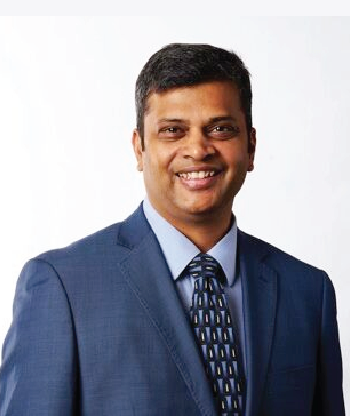
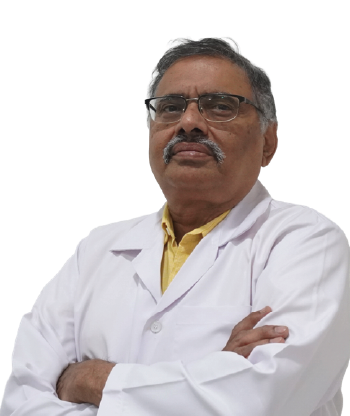

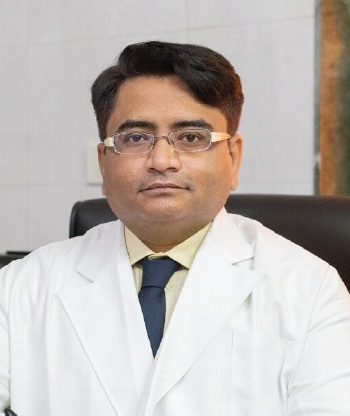
Talks By Our Expert General, Laparoscopic & Colorectal Surgeon
Hernia Surgery by Dr. Bharat Shah
Fistula Surgery – Dr Bharat Shah
Patient Testimonial – Fistula Surgery by Dr. Gaurang Shah
Why Do Some Surgical Conditions Return After Treatment?
Patient Testimonial – Hernia Surgery, Dr. Pankaj Modi
Successful Gallbladder Removal Surgery at Epic Hospital, Ahmedabad By Dr. Bharat Shah
Our Patient Testimonial General, Laparoscopic & Colorectal Surgeon
Successful Gallbladder Removal Surgery at Epic Hospital, Ahmedabad By Dr. Bharat Shah
Patient Testimonial – Hernia Surgery, Dr. Pankaj Modi
Why Do Some Surgical Conditions Return After Treatment?
Patient Testimonial – Fistula Surgery by Dr. Gaurang Shah
Fistula Surgery – Dr Bharat Shah
Hernia Surgery by Dr. Bharat Shah
Blogs By Our Expert General, Laparoscopic & Colorectal Surgeon
Frequently Asked Questions - Piles Surgeon in Ahmedabad
What are piles and how do they develop?
Piles (haemorrhoids) are enlarged, swollen blood vessels in and around the rectum and anus – internal (above the dentate line) or external (below it). They develop from increased pressure in the lower rectum – from chronic constipation, straining, prolonged sitting, pregnancy, low-fibre diet, or obesity. They are extremely common – affecting an estimated 75 percent of people at some point in their lives.
Can piles be treated without surgery?
Yes, for early-grade haemorrhoids. Grade I and II haemorrhoids are managed with dietary modification (high fibre, hydration), topical treatments, and rubber band ligation. Grade III may respond to banding or require surgery. Grade IV haemorrhoids typically require surgical haemorrhoidectomy. Our piles surgeon at EPIC Multispecialty Hospital, Ahmedabad, will recommend the least invasive effective treatment for your grade of haemorrhoid.
Is piles surgery painful?
Haemorrhoidectomy causes post-operative pain – the anal region is exquisitely sensitive, and pain in the days following surgery is expected. At EPIC Hospital Ahmedabad, multi-modal analgesia (spinal local anaesthetic, scheduled oral analgesia, topical agents) significantly reduces post-operative pain. Stapled haemorrhoidopexy (PPH) is associated with less post-operative pain than conventional haemorrhoidectomy. Most patients manage well with oral analgesia within 48 to 72 hours.
What is rubber band ligation and is it effective?
Rubber band ligation places a tight band at the base of an internal haemorrhoid, cutting off its blood supply – the haemorrhoid withers and falls off within 7 to 10 days. It is performed as an office procedure at EPIC Multispecialty Hospital, Ahmedabad, without general anaesthesia in most cases. It is the most effective non-surgical treatment for grade II and III haemorrhoids, with a success rate of 65 to 80 percent per session.
What is an anal fistula and does it always need surgery?
An anal fistula is an abnormal channel between the anal canal and the skin around the anus – causing persistent discharge, recurrent perianal abscess, and pain. Fistulas do not heal spontaneously – they always require surgical treatment. The type of surgery depends on how much sphincter muscle is involved. Low fistulas are laid open safely. High fistulas require sphincter-preserving procedures. Our piles surgeon at EPIC Hospital Ahmedabad assesses fistula anatomy with MRI before planning treatment.
Is rectal bleeding always from piles?
No. While haemorrhoids are the most common cause of rectal bleeding, colorectal polyps and colorectal cancer also cause rectal bleeding. In patients over 40, or those with bleeding associated with change in bowel habit, weight loss, or anaemia, colonoscopy should be performed to exclude these diagnoses. Our team at EPIC Multispecialty Hospital, Ahmedabad, will assess whether further investigation is needed alongside anorectal examination.
What is the cost of piles surgery at EPIC Multispecialty Hospital Ahmedabad?
Piles treatment costs at EPIC Hospital Ahmedabad vary based on grade and treatment: rubber band ligation is an office procedure; haemorrhoidectomy and stapled haemorrhoidopexy are day surgery procedures with separate surgical and anaesthetic fees. Transparent pricing is available from our patient services team. Insurance coverage applies for surgical haemorrhoidectomy for symptomatic grade III and IV haemorrhoids.
Is EPIC Hospital Ahmedabad good for piles treatment in Gujarat?
EPIC Multispecialty Hospital, Ahmedabad, provides comprehensive anorectal care – rubber band ligation, haemorrhoidectomy, stapled haemorrhoidopexy, anal fissure treatment, fistula surgery, and pilonidal sinus management. Our piles surgeon applies grade-appropriate, evidence-based treatment and performs colonoscopy investigation for rectal bleeding where clinically indicated.
Piles Surgeon in Ahmedabad – EPIC Multispecialty Hospital
Piles treatment at EPIC Multispecialty Hospital, Ahmedabad, is built on accurate diagnosis, grade-appropriate management, and the structured lifestyle counselling that prevents recurrence after treatment. If you have been living with haemorrhoid symptoms, anal pain, or rectal bleeding without seeking proper assessment, our piles clinic is where that changes.
Book a piles clinic appointment online, call EPIC Multispecialty Hospital Ahmedabad today, WhatsApp your symptoms and history for initial review, or visit our piles surgeon in Ahmedabad directly – and get the anorectal care your condition requires without further delay.