
Brain Stroke Treatment in Ahmedabad - Emergency and Long-Term Stroke Care at EPIC Multispecialty Hospital
Stroke is the second leading cause of death and the leading cause of long-term disability in India – and in Gujarat, the combination of high rates of hypertension, diabetes, atrial fibrillation, and dyslipidaemia creates a significant stroke burden in Ahmedabad and across the state. The outcome of a stroke in Ahmedabad depends critically on two factors: how quickly the patient reaches a hospital with stroke treatment capability, and the quality of care received in the first hours, days, and weeks after stroke.
At EPIC Multispecialty Hospital, Ahmedabad, brain stroke treatment is an emergency programme – not an outpatient service. Our stroke team provides around-the-clock assessment for acute stroke, CT and MRI neuroimaging available immediately, intravenous thrombolysis (rtPA) for eligible ischaemic stroke patients within the treatment window, mechanical thrombectomy for large vessel occlusion, and the acute stroke care that maximises the chance of neurological recovery.
Patients from across Ahmedabad – from Bopal, Satellite, Bodakdev, Prahlad Nagar, and the SG Highway area – and from Gandhinagar, Vadodara, Surat, and Rajkot come to EPIC Hospital Ahmedabad for both emergency stroke management and for secondary prevention after a stroke or TIA has already occurred elsewhere.
Brain Stroke Treatment at EPIC Multispecialty Hospital, Ahmedabad – From Emergency to Recovery
- Recognising stroke – FAST and what it means: The FAST acronym – Face drooping, Arm weakness, Speech difficulty, Time to call emergency – captures the most common stroke presentations but misses posterior circulation strokes affecting the brainstem and cerebellum. Additional symptoms include sudden severe headache, vision loss, double vision, dizziness, and difficulty swallowing. Any sudden neurological symptom should prompt immediate attendance at EPIC Hospital Ahmedabad – not a GP visit the next morning, and not a wait-and-see approach at home. Brain tissue dies at a rate of approximately 1.9 million neurons per minute during ischaemic stroke – the time cost of delayed presentation is irreversible.
- CT brain – ruling out haemorrhage: The first investigation in every acute stroke at EPIC Multispecialty Hospital, Ahmedabad, is an emergency CT brain – to distinguish ischaemic stroke (the majority – approximately 80 percent) from haemorrhagic stroke (intracerebral haemorrhage or subarachnoid haemorrhage), which requires completely different management and for which thrombolysis is contraindicated. CT is available 24/7 at EPIC Hospital Ahmedabad with rapid reporting.
- Intravenous thrombolysis – rtPA: For ischaemic stroke patients presenting within 4.5 hours of symptom onset (or last seen well, for patients who woke with symptoms) who meet eligibility criteria, intravenous alteplase (rtPA) dissolves the occluding clot and restores blood flow to ischaemic tissue. Patients treated with rtPA are three times more likely to have minimal or no disability at 3 months than untreated patients. The risk of symptomatic intracranial haemorrhage from rtPA is approximately 6 percent – a risk that is substantially outweighed by the benefit for eligible patients. Our stroke team at EPIC Multispecialty Hospital, Ahmedabad, administers thrombolysis within 30 to 60 minutes of patient arrival for eligible patients.
- Mechanical thrombectomy for large vessel occlusion: Mechanical thrombectomy – using a stent retriever or aspiration catheter to physically remove the occluding clot from a large intracranial vessel – has transformed the treatment of large vessel occlusion stroke. Trials including MR CLEAN, ESCAPE, and DAWN demonstrate that thrombectomy produces significantly better outcomes than medical treatment alone for anterior circulation large vessel occlusion, with treatment windows extending to 24 hours in carefully selected patients with salvageable penumbra on imaging. Our interventional neuroradiology team at EPIC Hospital Ahmedabad performs thrombectomy in a 24/7 capable setting.
- Haemorrhagic stroke management: Intracerebral haemorrhage – bleeding directly into the brain parenchyma – from hypertension, amyloid angiopathy, or anticoagulant coagulopathy requires blood pressure management, reversal of anticoagulation where indicated, and surgical evacuation in specific circumstances (cerebellar haemorrhage causing brainstem compression, large lobar haematoma with mass effect causing herniation). Our combined neurology and neurosurgery team at EPIC Multispecialty Hospital, Ahmedabad, manages haemorrhagic stroke with the same urgency as ischaemic stroke.
- TIA – the warning stroke: Transient Ischaemic Attack (TIA) – a stroke-like episode that resolves completely within 24 hours – carries a 10 to 15 percent risk of completed stroke within 90 days, with highest risk in the first 48 hours. TIA is a neurological emergency requiring same-day specialist assessment. At EPIC Hospital Ahmedabad, TIA patients receive urgent investigations – MRI diffusion-weighted imaging, carotid and intracranial vessel imaging, cardiac monitoring for AF, and blood tests – and secondary prevention is initiated the same day.
- Secondary prevention – preventing the next stroke: The majority of strokes are preventable recurrences – the same risk factors that caused the first stroke cause the second. At EPIC Multispecialty Hospital, Ahmedabad, secondary prevention following stroke or TIA includes antiplatelet therapy (aspirin, clopidogrel, or dual antiplatelet) for non-cardioembolic stroke, anticoagulation (direct oral anticoagulants) for cardioembolic stroke from atrial fibrillation, high-intensity statin therapy, antihypertensive optimisation, blood glucose control in diabetic patients, and carotid endarterectomy or stenting for significant carotid stenosis.
Stroke in Ahmedabad – Why Time, Recognition, and the Right Hospital All Matter
The phrase ‘time is brain’ is not a slogan – it is a quantitative statement about stroke pathophysiology. In the ischaemic core of a stroke – the area of brain where blood flow has fallen below the threshold for cellular survival – neurons die within minutes. The penumbra – the area of reduced but not absent perfusion surrounding the core – is the territory that thrombolysis and thrombectomy are racing to save. Every 10 minutes of delay in treatment translates to an additional 30 minutes of disability-free life lost. The clinical implication is unambiguous: the first decision that determines stroke outcome in Ahmedabad is whether the patient or family recognises the symptoms and calls for emergency transport immediately.
The second determinant is hospital capability. Not every hospital in Ahmedabad can administer thrombolysis – it requires CT brain available immediately, a physician competent to review eligibility criteria and administer the drug safely, and the ability to monitor the patient in a stroke-capable environment after treatment. Not every hospital in Ahmedabad can perform mechanical thrombectomy – it requires a 24/7 interventional neuroradiology team, a biplane angiography suite, and the stent retriever and aspiration technology that the procedure demands. At EPIC Multispecialty Hospital, Ahmedabad, both capabilities exist around the clock.
The third determinant – less dramatic but equally important – is the quality of secondary prevention after discharge. More than 80 percent of strokes are preventable if modifiable risk factors are identified and managed. Atrial fibrillation causing cardioembolic stroke is almost entirely preventable with appropriate anticoagulation – yet AF remains undertreated in Gujarat, with many patients on aspirin alone for a condition that requires anticoagulation. Carotid artery disease causing 60 to 99 percent stenosis carries a 15 to 25 percent 2-year stroke risk that carotid endarterectomy or stenting reduces to under 5 percent – yet patients in Ahmedabad frequently have their carotid stenosis documented on ultrasound and then receive no definitive treatment. Our stroke programme at EPIC Hospital Ahmedabad closes this gap – from acute treatment to long-term secondary prevention.
State-of-the-Art Modular Operating Theatre

High End ZEISS Microscope
Intra Operative Neuro Monitoring
High Speed Stryker Drill
Neuroendoscope
Stereotactic Frame
Neuronavigation
CUSA
Emergency Services
Our dedicated emergency team is available 24/7 to provide immediate medical care and support in critical situations.

Get In Touch
BOOK AN APPOINTMENT
Find Best Neurosurgeons Hospital in Ahmedabad

Multidisciplinary Team of Experts
24/7 Neurosurgical & Polytrauma Team
Dedicated Trauma Center
Minimally Invasive Surgery Options
Minimally Invasive Surgery Options
Cathlabs for Neuro Interventions
40 bedded ICU & Critical Care Unit
Our Team of Expert Neuro Surgeons
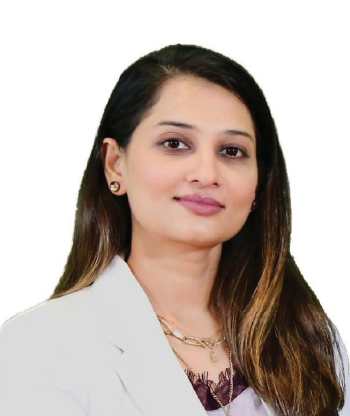
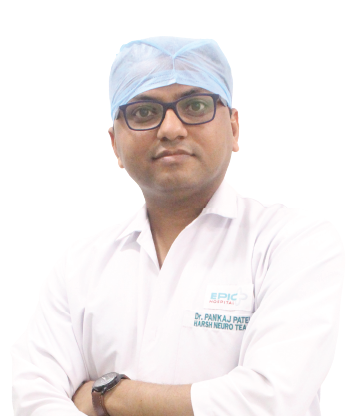
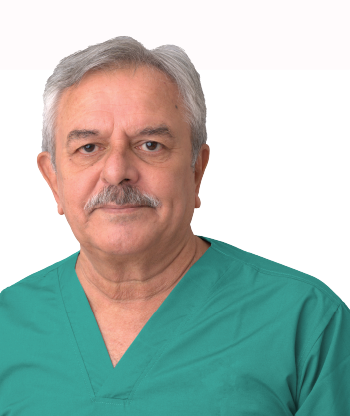
Talks By Our Expert Neuro Surgeons
Spinal Abscess and Drainage Excision – Dr. Ankita Desai & Dr. Ramil Diwanji
Endoscopic Third Ventriculostomy by Dr. Ankita Desai & Dr Ramil Diwanji
Comprehensive Neurosurgical Care at EPIC Multispecialty Hospital
Our Patient Testimonial Neuro Surgeons
Spinal Abscess and Drainage Excision – Dr. Ankita Desai & Dr. Ramil Diwanji
Endoscopic Third Ventriculostomy by Dr. Ankita Desai & Dr Ramil Diwanji
Comprehensive Neurosurgical Care at EPIC Multispecialty Hospital
Frequently Asked Questions - Brain Stroke Treatment in Ahmedabad
What are the warning signs of a brain stroke?
Warning signs include sudden face drooping (unilateral), arm weakness, speech difficulty (slurred or unable to speak), sudden vision loss in one or both eyes, sudden severe headache with no apparent cause, sudden dizziness or loss of balance, and difficulty swallowing. Any of these symptoms require immediate emergency presentation to EPIC Multispecialty Hospital, Ahmedabad – not a GP visit or home observation.
What is the treatment window for stroke thrombolysis?
IV alteplase (rtPA) must be administered within 4.5 hours of stroke onset (or last seen well) to eligible patients. The sooner it is given within this window, the better the outcome. Our stroke team at EPIC Hospital Ahmedabad aims to administer thrombolysis within 30 to 60 minutes of patient arrival for eligible patients – call emergency services immediately at the first sign of stroke.
What is mechanical thrombectomy and is it available at EPIC Hospital Ahmedabad?
Mechanical thrombectomy physically removes the occluding clot from a large intracranial artery using a catheter-delivered stent retriever or aspiration device. It is indicated for large vessel occlusion stroke – typically involving the middle or internal carotid artery – within 24 hours in appropriate patients. Yes, thrombectomy is available at EPIC Multispecialty Hospital, Ahmedabad, on a 24/7 basis.
What is the difference between ischaemic and haemorrhagic stroke?
Ischaemic stroke – approximately 80 percent of strokes – is caused by a clot blocking blood supply to part of the brain. Haemorrhagic stroke – approximately 20 percent – is caused by a blood vessel rupturing and bleeding into or around the brain. The initial CT brain at EPIC Hospital Ahmedabad distinguishes these immediately, as treatment is completely different – thrombolysis is beneficial for ischaemic stroke but contraindicated and dangerous in haemorrhagic stroke.
What is a TIA and should I go to the hospital?
A TIA (Transient Ischaemic Attack) is a mini-stroke – symptoms identical to stroke that resolve completely within 24 hours. Yes, you should go to hospital immediately – TIA carries a 10 to 15 percent risk of completed stroke within 90 days, with highest risk in the first 48 hours. Same-day specialist assessment and secondary prevention initiation at EPIC Multispecialty Hospital, Ahmedabad, significantly reduces this risk.
What causes stroke in young adults in Ahmedabad?
Stroke in younger adults (under 50) in Gujarat is caused by cardiac embolism from atrial fibrillation or structural heart disease, premature atherosclerosis from hypertension, diabetes, and hyperlipidaemia, cervicocephalic arterial dissection, haematological disorders (sickle cell, antiphospholipid syndrome), and illicit drug use. Comprehensive stroke workup at EPIC Hospital Ahmedabad identifies the cause in younger patients to guide specific secondary prevention.
What secondary prevention is given after stroke at EPIC Hospital Ahmedabad?
Secondary prevention at EPIC Multispecialty Hospital, Ahmedabad, is based on stroke mechanism: anticoagulation (DOACs) for cardioembolic stroke from AF; dual antiplatelet (aspirin + clopidogrel for 3 weeks, then single agent) for non-cardioembolic ischaemic stroke; high-intensity statin; antihypertensive optimisation; blood glucose control; carotid revascularisation for significant ipsilateral carotid stenosis; and lifestyle counselling.
What is the cost of stroke treatment at EPIC Multispecialty Hospital Ahmedabad?
Emergency stroke treatment at EPIC Hospital Ahmedabad – including CT, MRI, thrombolysis, and thrombectomy – carries costs that vary by intervention and hospital stay duration. Thrombolysis medication and thrombectomy devices are significant cost components. Insurance and PM-JAY coverage applies to most acute stroke treatments. Please contact our patient services team for current pricing. Do not let cost concerns delay calling emergency services – treatment delay costs far more in long-term disability.
Brain Stroke Treatment in Ahmedabad – EPIC Multispecialty Hospital
Brain stroke treatment at EPIC Multispecialty Hospital, Ahmedabad, is built for the urgency that stroke demands – immediate CT, rapid thrombolysis for eligible patients, thrombectomy for large vessel occlusion, and the secondary prevention programme that prevents the next stroke. Every minute counts. If you or someone with you develops sudden neurological symptoms, come to EPIC Hospital Ahmedabad immediately.
For non-emergency stroke follow-up, secondary prevention consultation, or TIA assessment – book online, call EPIC Multispecialty Hospital Ahmedabad today, or WhatsApp your imaging reports for initial review. Do not wait for a secondary stroke to get the specialist care your vascular risk factors require.