
ASD Device Closure in Ahmedabad
Closing the Hole in Your Heart Without Open Surgery
An atrial septal defect – a hole in the wall between the heart’s two upper chambers – is one of the most common congenital heart abnormalities. Many patients live with an undiagnosed ASD for decades, only discovering it when a murmur is picked up incidentally, when symptoms develop in adulthood, or when an echocardiogram performed for another reason reveals the defect.
For the majority of patients with a secundum ASD – the most common type – a surgical repair is no longer necessary. ASD device closure in Ahmedabad at EPIC Multispecialty Hospital permanently closes the defect through a catheter introduced through the leg, with no chest incision, no sternotomy, and typically a one-night hospital stay.
Understanding Atrial Septal Defects – What Is Actually Happening
The heart’s upper chambers are normally separated by the interatrial septum. In a patient with an ASD, there is a gap in this wall. Because the pressure in the left atrium is higher than in the right, blood is shunted from left to right – meaning oxygenated blood that should be going out to the body is instead recirculating through the lungs.
Over time, this left-to-right shunt places a volume burden on the right side of the heart and on the pulmonary circulation. The consequences of a significant, unclosed ASD accumulate in adulthood:
- Right heart enlargement: from chronic volume overload
- Reduced exercise capacity and breathlessness
- Atrial arrhythmias: particularly atrial fibrillation, which is significantly more common in patients with unclosed ASDs
- Paradoxical embolism: a clot crossing from the venous system through the ASD to the arterial circulation, potentially causing stroke
- Pulmonary hypertension: in long-standing cases – a serious and eventually irreversible complication
Types of ASD
Secundum ASD: the most common type – a defect in the central portion of the interatrial septum. Suitable for device closure in most cases
Primum ASD: a defect in the lower portion of the septum, often associated with abnormalities of the mitral or tricuspid valve – requires surgical repair
Sinus venosus defect: a defect near the entry of the pulmonary veins – not suitable for device closure, requires surgery
Patent Foramen Ovale (PFO): a small flap-like communication – not a true ASD but may require closure in patients who have had a cryptogenic stroke
ASD Device Closure – How the Procedure Works
Patient Selection – Is Device Closure Right for You?
Suitability is determined by the type of ASD, its size, the anatomy of the surrounding tissue (the “rim” of septal tissue), and the haemodynamic significance of the shunt. Transoesophageal echocardiography (TOE) – or intracardiac echocardiography (ICE) – provides the anatomical detail needed to confirm that device closure in Ahmedabad is feasible and to size the appropriate device.
The Procedure Itself
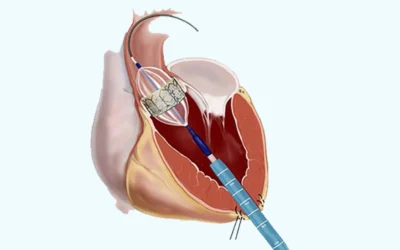
ASD device closure is performed in our cardiac catheterisation laboratory under general anaesthesia or deep sedation, with transoesophageal echocardiography (TOE) guiding the procedure throughout. A catheter is introduced through the femoral vein in the groin. An occluder device – a double-disc made from a nitinol mesh framework – is deployed across the defect. The left disc opens first in the left atrium, and the right disc opens in the right atrium, sandwiching the septal tissue between them and sealing the defect. The whole procedure takes 60 to 90 minutes.
After the Procedure
You are observed in the cardiac ward overnight and undergo echocardiography before discharge the following morning. Most patients go home the day after the procedure. Antiplatelet medication is prescribed for 6 months while the device endothelialises – the heart’s own tissue grows over the device surface.
State-of-the-Art Modular Operating Theater

Persistent chest pain or angina
Shortness of breath or unexplained fatigue
High risk of heart attack or cardiac blockage
Abnormal ECG or stress test results
Suspected coronary artery disease
Emergency Services
Our dedicated emergency team is available 24/7 to provide immediate medical care and support in critical situations.

Get In Touch
BOOK AN APPOINTMENT
Find Best Cardiology Hospital in Ahmedabad

Multidisciplinary Team of Exmmperts
Highly Experienced Cardiologist Team (40000+ Cath Procedures)
Dedicated 2 Cathlabs (Azurion 5 C20 & IGS 520 Cath Lab)
Vivid E95 ECHO Lab
40 bedded ICU & Critical Care Unit
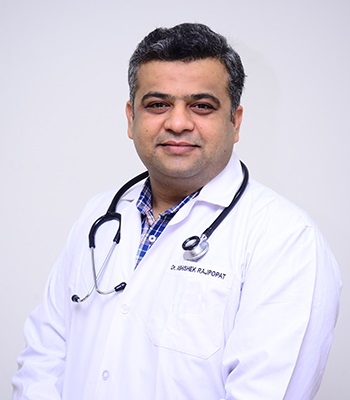
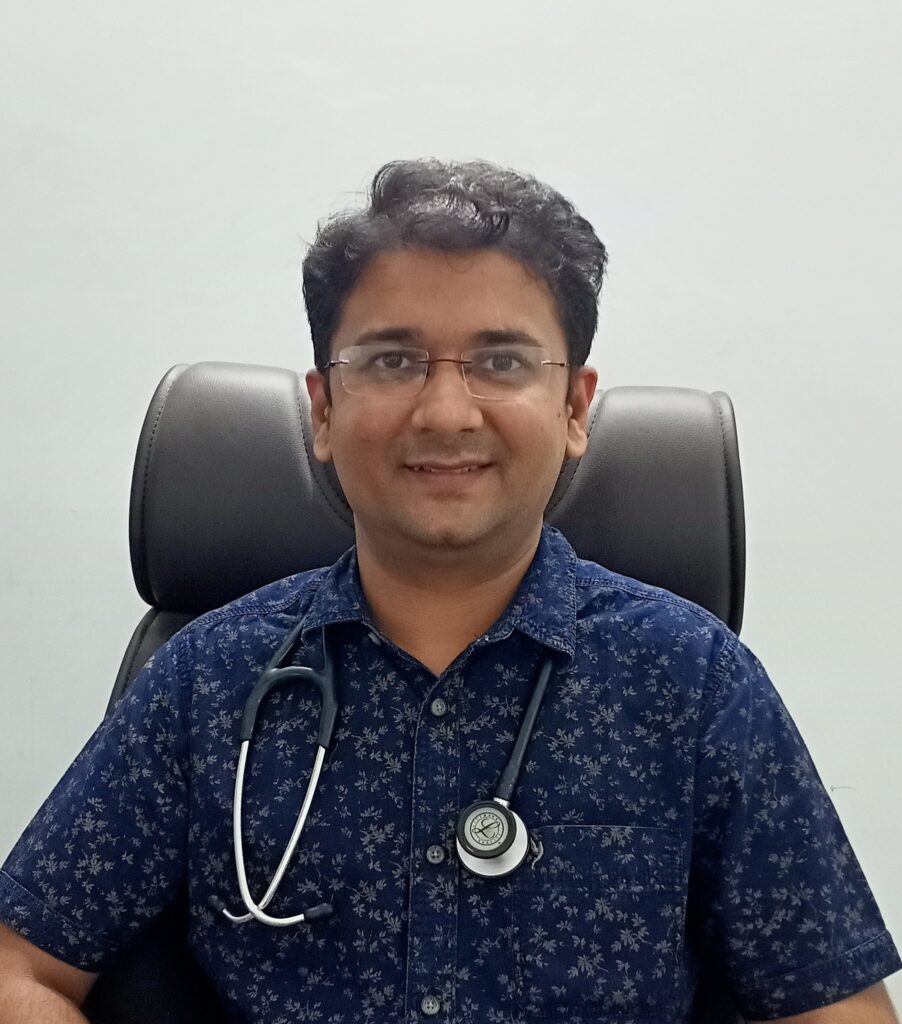
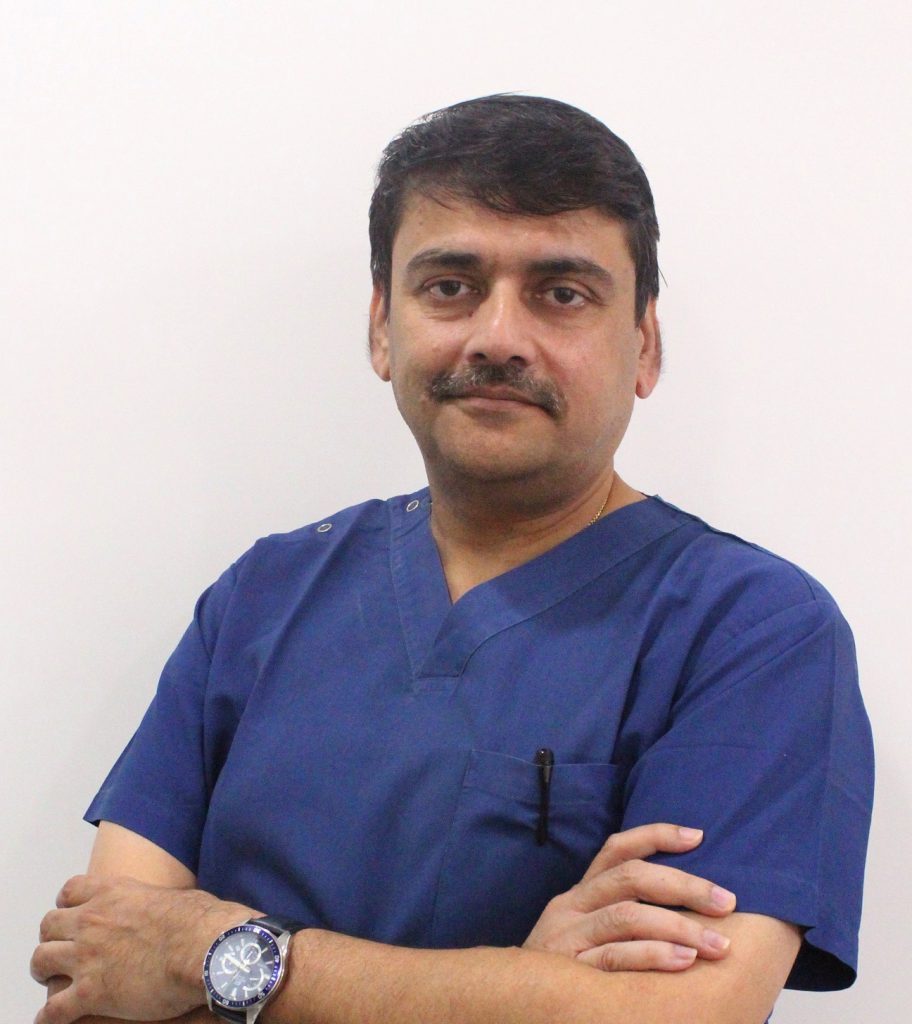
Our Team of Expert Cardiology Surgeons
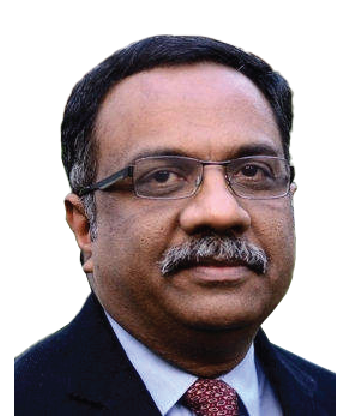
DR. ANOOP GUPTA
M.D., D.M., D.N.B., F.A.C.C., F.S.C.A.I.


Talks By Our Expert Cardiology Doctors
Patient Journey at EPIC: Bypass Surgery
Patient Testimonial:- Heart Valve Replacement Surgery
CABG Surgery – Dr. Anoop Gupta and Dr. Anil Jain & Team
Bypass surgery – Patient Testimonial by Dr. Anil Jain
Bypass and Valve Replacement Surgery – Dr. Anil Jain
Patient Testimonial – Dr. Anil Jain
Talks By Our Expert Cardiology Doctors
Patient Testimonial – Dr. Anil Jain
Bypass and Valve Replacement Surgery – Dr. Anil Jain
Bypass surgery – Patient Testimonial by Dr. Anil Jain
CABG Surgery – Dr. Anoop Gupta and Dr. Anil Jain & Team
Patient Testimonial:- Heart Valve Replacement Surgery
Patient Journey at EPIC: Bypass Surgery

ASD Device Closure in Ahmedabad - Frequently Asked Questions
At what age can ASD device closure be performed?
ASD device closure is generally performed from around 3 to 5 years of age – earlier if the defect is causing significant haemodynamic impact. In adults, there is no upper age limit for device closure in Ahmedabad provided the anatomy is suitable. Older patients with significant ASD and right heart enlargement benefit substantially from closure even in their 50s, 60s, and beyond.
What is the success rate of ASD device closure?
In appropriately selected patients with secundum ASD, device closure has a very high success rate – complete closure or trivial residual shunting in over 95% of cases. Major complications – device embolisation, cardiac perforation, significant arrhythmia – are uncommon in experienced hands.
Will I need to take blood thinners after ASD device closure?
Not warfarin or strong anticoagulation in most cases. Standard post-closure management involves antiplatelet medication – typically aspirin, sometimes combined with clopidogrel – for 6 months. After 6 months, no ongoing antiplatelet medication is required in most cases.
What is the difference between a surgical ASD repair and device closure?
Surgical repair involves opening the chest, going on cardiopulmonary bypass, and directly suturing the defect closed. ASD device closure in Ahmedabad avoids all of this – the defect is sealed from inside, through a catheter, with no incision in the chest. For secundum ASDs where device closure is anatomically feasible, the outcomes are equivalent and the procedural risk is substantially lower.
Can the device cause problems years later?
Once the device is fully endothelialised – typically within 6 to 12 months of implantation – it is incorporated into the heart’s own tissue and is very stable. Late complications are rare. Routine echocardiographic follow-up is performed at 1 month and 1 year after closure.
Is ASD device closure available at EPIC Hospital for children?
Yes. Our paediatric cardiologist in Ahmedabad performs ASD device closure in children, guided by echocardiography, in our cardiac catheterisation laboratory. The approach is the same as for adults – adapted for the child’s size, with specific device sizing and general anaesthesia for younger patients.
Does ASD device closure require a cut or incision?
No. The only puncture is in the groin – a small needle puncture in the femoral vein – which is closed with gentle pressure at the end of the procedure. There is no surgical scar, no chest incision, and no sternotomy.
What other structural heart procedures are available at EPIC Hospital?
Our structural heart team also performs balloon valvuloplasty in Ahmedabad for mitral stenosis, TAVI treatment in Ahmedabad for severe aortic stenosis, and TAVAR treatment in Ahmedabad for combined valve and coronary disease.