Balloon Valvuloplasty in Ahmedabad – A Blocked Valve Opened Without Opening the Chest
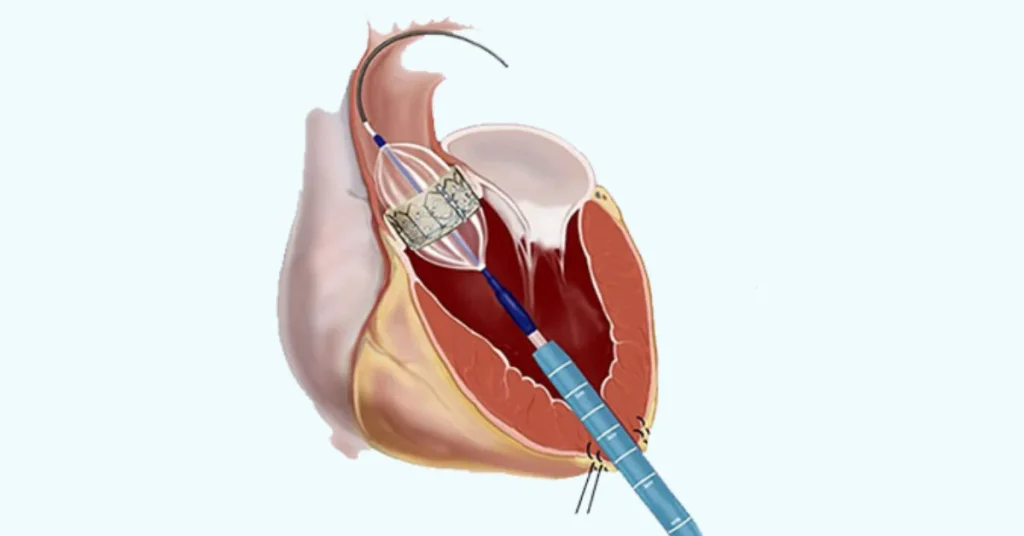
For patients with a narrowed heart valve – particularly a narrowed mitral valve caused by rheumatic heart disease – balloon valvuloplasty in Ahmedabad offers something genuinely remarkable: the chance to widen a fused, stiffened valve using a catheter passed through the skin, without open-heart surgery, without stopping the heart, and without the weeks of recovery that a major operation demands.
At EPIC Multispecialty Hospital, balloon valvuloplasty is performed in our cardiac catheterisation laboratory by interventional cardiologists with specific experience in this technique. In the right patient, the results can be excellent – and they can last for many years before any further intervention is needed.
Why Balloon Valvuloplasty Matters So Much in Gujarat
Rheumatic heart disease is the reason this procedure matters so deeply in Gujarat – and in India more broadly. Rheumatic fever, caused by an untreated streptococcal throat infection in childhood, triggers an immune response that can slowly damage the heart valves over many years. In countries with reliable access to antibiotics and healthcare from childhood, rheumatic fever has become rare. In India, it remains a significant and ongoing cause of valve disease – particularly in areas where childhood throat infections were not always treated promptly.
The result is something cardiologists in Ahmedabad see regularly but that would be unusual in Western countries: patients in their 20s, 30s, and 40s with significant mitral valve narrowing – far younger than the patients who develop aortic stenosis from age-related calcium buildup. These are people with young families, jobs, and decades of life ahead of them. Balloon valvuloplasty at EPIC Hospital in Ahmedabad can give many of them 10 to 15 years of improved quality of life before surgery eventually becomes necessary. That is not a small thing.
Which Valves Can Be Treated With Balloon Valvuloplasty?
- Mitral valve – PTMC: Percutaneous Transvenous Mitral Commissurotomy is the most common balloon valvuloplasty performed at EPIC Hospital in Ahmedabad – specifically for rheumatic mitral stenosis. When the mitral valve leaflets have fused at their edges due to rheumatic scarring but are still reasonably pliable, inflating a balloon across the valve splits those fused edges, widening the opening significantly. The results in well-selected patients are often dramatic – patients who were breathless climbing a single flight of stairs find themselves walking freely within days.
- Pulmonary valve: Congenital pulmonary valve stenosis – a narrowed pulmonary valve that impedes blood flow from the right side of the heart to the lungs – is treated very effectively with balloon valvuloplasty. This is the first-line treatment for significant pulmonary stenosis and works well in both children and adults. The results are typically excellent and long-lasting.
- Aortic valve: Balloon valvuloplasty for aortic stenosis produces less durable results than for the mitral or pulmonary valves because the calcified aortic valve tends to re-narrow relatively quickly. It is not a definitive treatment in most cases, but it has a specific role as a bridge – stabilising a critically ill patient before TAVI or surgery, or providing palliation in patients who are not candidates for any further procedure.
Who Is the Right Candidate for Balloon Valvuloplasty?
Patient selection is everything with balloon valvuloplasty – particularly for the mitral valve. The procedure produces excellent results in the right patient and poor results in the wrong one. The key factors are assessed primarily through echocardiography.
For mitral valvuloplasty, the ideal candidate has valve leaflets that are still reasonably flexible – not heavily calcified or stiff throughout – with fused edges that a balloon can split cleanly. A scoring system called the Wilkins score, based on the echocardiogram, helps predict how well the valve will respond. A low Wilkins score generally predicts a good result. Patients with a very high score – very calcified, very thickened valves – are likely to do better with surgical replacement.
There are also certain situations where mitral valvuloplasty is not appropriate regardless of the valve appearance – significant mitral regurgitation (a leaking valve alongside the narrowing), a blood clot in the left atrium, or anatomical features that make the catheter approach technically risky. Our cardiologists at EPIC Hospital in Ahmedabad assess all of this before recommending the procedure.
What the Procedure Actually Involves – and What Recovery Looks Like
Balloon valvuloplasty is performed under sedation – most patients are relaxed and comfortable but not fully anaesthetised. The catheter is introduced through the femoral vein in the groin. For mitral valvuloplasty, a specific technique passes the catheter across the wall between the upper chambers of the heart – the atrial septum – to reach the mitral valve from the left side. The balloon is then positioned across the valve and inflated, splitting the fused edges.
The procedure is guided throughout by echocardiography – a probe placed in the oesophagus gives detailed real-time images of the valve as the balloon is inflated. This allows the cardiologist to see the valve opening widen in real time and to confirm the result before the catheter is removed.
Most patients feel minimal discomfort during the procedure. Afterward, the groin entry site is compressed or closed, and the patient rests for a few hours. The majority of patients having balloon valvuloplasty at EPIC Hospital in Ahmedabad are discharged the following day. The relief from breathlessness often begins to be felt within hours of the procedure – as the valve opens and the pressure on the lungs that had been building for years is suddenly reduced.
Balloon Valvuloplasty in Ahmedabad – Your Questions Answered
How do I know if I am a suitable candidate for balloon valvuloplasty?
Suitability is assessed primarily through echocardiography. If you have been diagnosed with mitral stenosis, pulmonary stenosis, or aortic stenosis, our interventional cardiologist at EPIC Hospital in Ahmedabad will review your echo and discuss whether valvuloplasty is appropriate for your specific valve anatomy, the degree of narrowing, and any other findings. Please bring your echocardiography report to the consultation.
How long do the results of mitral balloon valvuloplasty last?
In well-selected patients with pliable valves and a low Wilkins score, the results are often good for 5 to 15 years. Over time, some re-narrowing can occur as the underlying rheumatic process continues to affect the valve. Repeat valvuloplasty is possible in some cases. Eventually, surgical valve replacement may become necessary – but valvuloplasty buys many patients a decade or more of improved quality of life before that point.
Is balloon valvuloplasty available for children in Ahmedabad?
Yes. Pulmonary balloon valvuloplasty is performed in children with congenital pulmonary stenosis at EPIC Hospital – it is the standard first-line treatment for this condition and is highly effective. Mitral valvuloplasty in adolescents with rheumatic mitral stenosis is also within our scope of practice.
Is it a painful procedure? Will I need general anaesthesia?
Most patients find balloon valvuloplasty well-tolerated. It is performed under sedation rather than general anaesthesia in most cases – you are relaxed and comfortable but not unconscious. The groin entry site is numbed with local anaesthetic. Some patients feel pressure or brief discomfort when the balloon is inflated, but the procedure is generally described as far less uncomfortable than most patients expected.
What happens if balloon valvuloplasty does not give a good result?
If the valve does not open adequately, or if significant valve leakage develops during the procedure – a known but uncommon complication of mitral valvuloplasty – surgical valve repair or replacement becomes the next step. This is discussed with every patient before the procedure so that expectations are realistic. Our cardiac surgical team at EPIC Hospital in Ahmedabad is available for exactly these situations.
Non-Surgical Valve Treatment in Ahmedabad – EPIC Hospital
Balloon valvuloplasty in Ahmedabad at EPIC Multispecialty Hospital offers patients with suitable valve disease the chance to significantly improve their symptoms and quality of life – often for many years – without the commitment of open-heart surgery. In Gujarat’s context, where rheumatic valve disease affects so many people in the prime of their lives, this procedure matters enormously.
Book a valvuloplasty assessment online, call our interventional cardiology team today, WhatsApp your echocardiography report for a candidacy review, or visit EPIC Hospital in Ahmedabad – and find out whether this could be the right option for you.