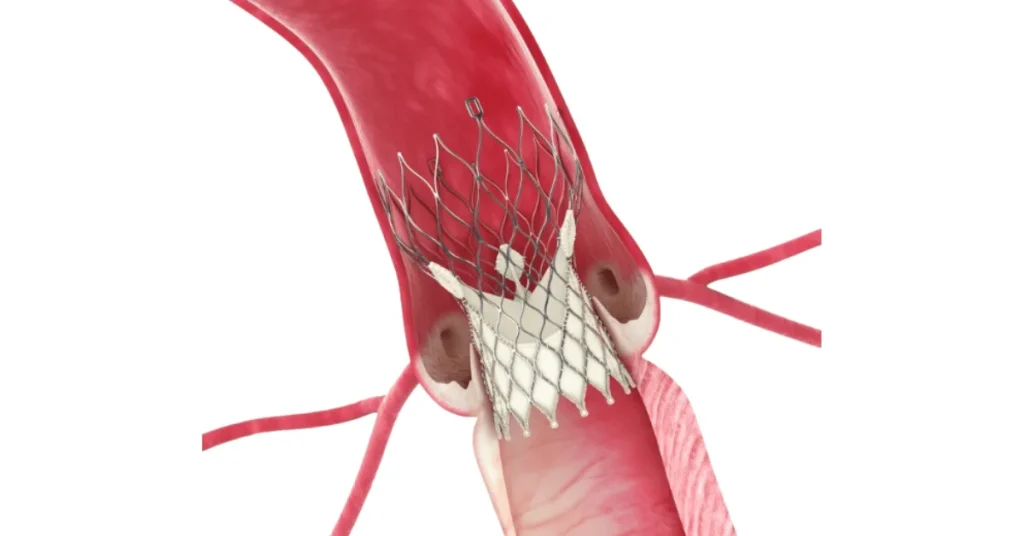
TAVR – Transcatheter Aortic Valve Replacement – is the same procedure known as TAVI, described from the patient’s perspective of what actually changes: a diseased aortic valve is replaced with a new one, without open surgery.
The question most patients ask isn’t how it works. It’s whether they qualify – and what life looks like on the other side of it.
At EPIC Multispecialty Hospital in Ahmedabad, our structural heart team performs a thorough, multidisciplinary TAVR candidacy assessment for every patient referred. We don’t rubber-stamp referrals. We genuinely evaluate whether TAVR is the best option for that specific patient – and we explain our reasoning either way.
Who Is a Candidate for TAVR Treatment in Ahmedabad?
- Patients with severe aortic stenosis and symptoms: Once symptoms appear – chest pain on exertion, dizziness or fainting, breathlessness – severe aortic stenosis becomes a life-threatening condition. Intervention is needed. The question is whether open surgery or TAVR is more appropriate.
- Intermediate to high surgical risk: TAVR was originally approved for patients at high operative risk due to age, frailty, or comorbidities – poor lung function, previous sternotomy, severe kidney disease. Evidence now supports its use in intermediate-risk patients, and ongoing trials are expanding indications to lower-risk groups.
- Frail elderly patients: Frailty – reduced physiological reserve independent of specific diagnoses – is a strong predictor of poor outcomes after open surgery. Frail patients who are genuinely unsuitable for sternotomy may be excellent TAVR candidates.
- Patients with porcelain aorta: Severe calcification of the ascending aorta makes surgical clamping dangerous. TAVR avoids aortic clamping entirely, making it the preferred approach in these patients.
- Patients with previous cardiac surgery: Prior coronary bypass surgery or previous valve surgery does not exclude TAVR. In many cases it makes TAVR preferable to a redo open sternotomy.
What Life After TAVR Actually Looks Like for Patients in Ahmedabad
The most striking thing about TAVR outcomes – more striking than survival statistics or echocardiographic valve gradients – is how patients describe feeling in the months after the procedure.
Patients who had been progressively limiting their activity for years because of breathlessness and fatigue describe being able to walk to the market again, climb stairs without stopping, attend family functions without sitting down after five minutes. The aortic valve gradient that was forcing the heart to work at extreme pressure simply disappears overnight. For a 78-year-old in Ahmedabad whose severe aortic stenosis had been limiting her life for two years, that change is profound.
Recovery after TAVR is genuinely fast by cardiac intervention standards. Most patients are walking the day after the procedure. Hospital stay is typically 2 to 4 days. There’s no sternal wound to heal, no weeks of restricted arm movement. Most patients are back to their normal activities – at whatever pace those normal activities exist for them – within 2 weeks.
That said, TAVR is not without risks, and we don’t pretend otherwise. Stroke risk, conduction disturbances requiring pacemaker implantation, vascular access complications – these are real, if relatively infrequent, in experienced hands. Our structural heart team at EPIC Hospital will go through your specific procedural risk profile before any decision is made.
TAVR in Ahmedabad – Questions Before You Decide
How do I know if I need TAVR or conventional valve surgery?
The decision is made jointly by your cardiologist and cardiac surgeon after reviewing your echocardiography, CT scan of the aorta and access vessels, coronary angiography, and overall clinical picture. A formal surgical risk score is calculated. Patients above a certain risk threshold benefit from TAVR over surgery. Your team will explain the specific numbers for your case.
Is TAVR a permanent solution for aortic stenosis?
TAVR implants a tissue valve prosthesis – the same as surgical tissue valves. These degrade over time, typically after 10 to 20 years. For elderly patients, this lifespan is likely to outlast them, which is why TAVR is particularly well-suited to older patients. For younger patients, the question of what happens when the valve eventually needs attention is an important part of the treatment discussion.
What is the success rate of TAVR at EPIC Hospital in Ahmedabad?
Procedural success rates for TAVR in well-selected patients at experienced centres are very high – above 95% in most published series. Your individual risk and expected outcome will be discussed specifically based on your anatomy and comorbidities, not just quoted from a general statistic.
After TAVR, will I still need to see a cardiologist regularly?
Yes. Annual cardiac follow-up, including echocardiography to assess valve function, is part of lifelong TAVR aftercare. The frequency may reduce over time if the valve performs well, but regular monitoring is important – both for valve durability and for management of any other cardiac conditions.
Is TAVR Right for You? Let EPIC Hospital in Ahmedabad Find Out
TAVR treatment in Ahmedabad at EPIC Multispecialty Hospital begins with an honest assessment – not a predetermined answer. If you’re the right candidate, we’ll proceed with confidence. If you’re not, we’ll explain why and what alternative makes more sense.
Book a TAVR candidacy assessment online, call our structural heart team today, WhatsApp your echocardiography and CT reports for review, or visit EPIC Hospital in Ahmedabad – and get a real answer about your aortic valve.