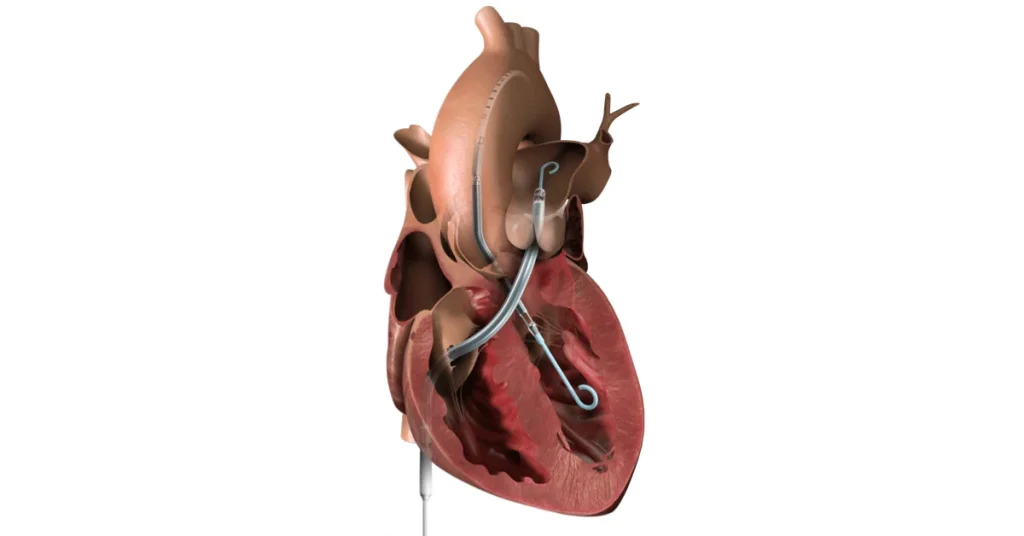
TAVAR – Transcatheter Aortic Valve Replacement – is another term for the same transcatheter procedure that restores a diseased aortic valve to normal function without open-chest surgery. The term is used interchangeably with TAVI and TAVR in clinical settings across India.
What makes this procedure work isn’t just the device – it’s the team behind it.
At EPIC Multispecialty Hospital in Ahmedabad, TAVAR is delivered through a structural heart programme that brings together interventional cardiologists, cardiac surgeons, cardiac imaging specialists, and anaesthetists. Every decision – from the initial candidacy assessment to the choice of valve and access route – is made collaboratively. That multidisciplinary process is the foundation of safe, consistent outcomes.
The Structural Heart Team at EPIC – What Each Member Contributes
- Interventional cardiologist: Leads the catheterisation procedure itself – navigating the delivery system, deploying the valve, and managing any haemodynamic changes during the procedure. Subspecialty training in structural interventions is essential.
- Cardiac surgeon: Essential to the team even when operating, because surgical backup for access complications or valve malposition is part of the safety net. Also the surgeon who would perform open conversion if required – which, in experienced centres, is very rare but must be available.
- Cardiac imaging specialist: CT angiography of the aorta, aortic root, and access vessels is essential for TAVAR planning – selecting the right valve size, confirming the landing zone, and identifying anatomical features that affect procedural strategy. Intraprocedural echocardiography guides deployment in real time.
- Cardiac anaesthetist: Manages haemodynamic stability throughout the procedure, particularly during rapid ventricular pacing – the brief period of very fast pacing used during valve deployment to minimise cardiac output and allow precise positioning.
- Dedicated cath lab and hybrid suite: TAVAR requires a facility equipped for both interventional cardiology and cardiac surgery. Our hybrid cath lab at EPIC Hospital in Ahmedabad is configured for exactly this purpose.
TAVAR When Coronary Disease Is Also Present – A Common Situation in Ahmedabad
A significant proportion of patients presenting with severe aortic stenosis in Ahmedabad also have coronary artery disease – particularly given Gujarat’s high prevalence of diabetes and coronary risk factors.
This combination requires careful thought. In some patients, significant coronary disease needs to be treated before TAVAR – coronary angioplasty in the weeks preceding the valve procedure. In others, the coronary disease is moderate and non-flow-limiting, and TAVAR can proceed without coronary intervention. In a minority of patients, the combination of valve disease and coronary disease is better treated by open surgery – surgical valve replacement and bypass grafting performed simultaneously.
There is no algorithmic answer to this. At EPIC Hospital in Ahmedabad, we review every combined case in our heart team meeting before making a recommendation. The patient receives a single, coherent plan that addresses both the valve and the coronaries – not a fragmented series of separate specialists each managing their piece.
If you’ve been told you have both aortic stenosis and coronary disease, and you’re unsure how they should be treated together, a consultation at EPIC Hospital is exactly the right next step.
TAVAR in Ahmedabad – Technical Questions Answered
What type of valve is implanted during TAVAR at EPIC Hospital?
Several CE-marked and FDA-approved transcatheter aortic valve systems are available. The most widely used are balloon-expandable and self-expanding platforms – each with specific indications and anatomical preferences. Your structural heart team will select the most appropriate valve system based on your CT-measured aortic root anatomy and clinical profile.
What is rapid ventricular pacing and is it safe?
Rapid ventricular pacing – temporarily increasing heart rate to 180 to 200 beats per minute – is used during balloon pre-dilatation and valve deployment to minimise cardiac output and allow precise device positioning. It lasts only seconds. It is safe when performed by an experienced team with appropriate haemodynamic monitoring and rapid return to normal rhythm afterwards.
Can TAVAR be done if I have a pacemaker already?
Yes – an existing pacemaker does not exclude TAVAR. In fact, post-TAVAR pacemaker implantation is sometimes needed due to conduction disturbances caused by the valve delivery. Patients with pre-existing pacemakers already have that system in place, which can simplify post-procedure management.
What follow-up imaging is needed after TAVAR treatment in Ahmedabad?
Echocardiography at discharge, 30 days, 1 year, and then annually to assess valve function and gradients. If valve-in-valve TAVAR was performed, more frequent imaging is standard. Your structural heart team will give you a specific follow-up schedule.
TAVAR at EPIC Hospital in Ahmedabad – Team-Based, Patient-Centred
TAVAR treatment in Ahmedabad at EPIC Multispecialty Hospital is built on the principle that the best outcomes come from teams, not individuals. Our structural heart programme brings together every specialist needed to assess, plan, perform, and follow up your procedure with the thoroughness your condition deserves.
Book a TAVAR structural heart assessment online, call our team today, WhatsApp your CT aortic root and echocardiography for planning review, or visit EPIC Hospital in Ahmedabad – and get the team-based valve care you need.