
Epilepsy Treatment in Ahmedabad - Specialist Seizure Management at EPIC Multispecialty Hospital
Epilepsy affects approximately 10 to 12 million people in India – with a disproportionately high prevalence in rural and semi-urban areas due to the continuing burden of birth trauma, cysticercosis, and tuberculous meningitis as causes of symptomatic epilepsy. In Ahmedabad and Gujarat, epilepsy carries significant stigma, leading to delayed diagnosis, inadequate treatment, and profound impact on education, employment, and quality of life.
At EPIC Multispecialty Hospital, Ahmedabad, epilepsy treatment is built on accurate classification first – because the choice of antiepileptic drug is critically dependent on seizure and epilepsy syndrome type, and the wrong drug can worsen certain epilepsy types rather than treating them. Our neurology team provides EEG, neuroimaging, and clinical assessment to classify epilepsy correctly, and then selects and optimises antiepileptic therapy to achieve the best possible seizure control with the fewest side effects.
Patients with newly diagnosed epilepsy, patients not well controlled on current medications, and patients with refractory epilepsy who are candidates for surgery evaluation all attend our epilepsy service in Ahmedabad from across Gujarat – from Vadodara, Surat, Rajkot, Gandhinagar, Anand, and Mehsana.
Epilepsy Diagnosis and Treatment at EPIC Multispecialty Hospital, Ahmedabad
- First seizure evaluation: Not every seizure means epilepsy. A single unprovoked seizure carries a recurrence risk of approximately 40 to 50 percent over the next 10 years – not the near-certainty that would justify lifelong antiepileptic therapy in every case. A provoked seizure – from hyponatraemia, hypoglycaemia, alcohol withdrawal, or acute brain injury – requires treatment of the cause rather than antiepileptic drugs. At EPIC Hospital Ahmedabad, first seizure evaluation includes history, clinical examination, EEG, neuroimaging (MRI preferred over CT for epilepsy investigation), and metabolic blood tests to characterise the seizure and assess recurrence risk.
- Epilepsy classification and syndrome diagnosis: The International League Against Epilepsy (ILAE) classification distinguishes focal epilepsies (arising from a specific brain area), generalised epilepsies (involving both hemispheres simultaneously), and combined or unknown epilepsies. The epilepsy syndrome – based on seizure type, EEG pattern, neuroimaging, age of onset, and family history – determines drug choice. Sodium valproate is first-line for generalised epilepsies; carbamazepine and lacosamide for focal epilepsies; ethosuximide for absence epilepsy. Using carbamazepine in a patient with juvenile myoclonic epilepsy (a common generalised epilepsy) can worsen absence and myoclonic seizures. Correct classification prevents this.
- Modern antiepileptic drug selection: Older antiepileptic drugs – phenobarbitone, phenytoin, carbamazepine, valproate – are highly effective but carry significant side effect burdens including cognitive effects, teratogenicity, and drug interactions. Newer agents – lamotrigine, levetiracetam, lacosamide, brivaracetam, perampanel, zonisamide – offer comparable or superior efficacy for many epilepsy types with better tolerability. At EPIC Multispecialty Hospital, Ahmedabad, our neurologists prescribe the most appropriate agent for each patient rather than defaulting to the oldest and cheapest drug.
- Women with epilepsy – specific considerations: Epilepsy management in women of childbearing age requires specific attention to teratogenicity. Sodium valproate carries the highest teratogenic risk and should be avoided in women who may become pregnant unless no other drug is effective. Lamotrigine and levetiracetam have significantly better safety profiles in pregnancy. Contraceptive interactions with enzyme-inducing antiepileptics (carbamazepine, phenytoin, phenobarbitone) must be addressed. Folic acid supplementation is essential. Our neurologists at EPIC Hospital Ahmedabad counsel women with epilepsy on these issues proactively.
- Refractory epilepsy management: Approximately 30 percent of patients with epilepsy do not achieve seizure freedom with two or more antiepileptic drugs – this is classified as drug-resistant or refractory epilepsy. For these patients, epilepsy surgery evaluation is the most evidence-based next step – resection of a focal epileptogenic zone can cure epilepsy in 60 to 70 percent of appropriately selected patients with temporal lobe epilepsy. At EPIC Multispecialty Hospital, Ahmedabad, patients with refractory epilepsy are evaluated for surgical candidacy and referred to appropriate surgical centres when resective or neuromodulation surgery is an option.
- Lifestyle and seizure safety counselling: Driving restrictions, swimming and bathing safety, workplace accommodations, sleep hygiene, alcohol avoidance, and medication adherence are all components of epilepsy management that require structured counselling – not a brief mention at the end of a consultation. Our epilepsy team at EPIC Hospital Ahmedabad provides comprehensive seizure safety guidance that enables patients to live safely and independently.
Epilepsy Treatment in Ahmedabad – What Specialist Management Delivers
The most significant gap in epilepsy care in Ahmedabad and across Gujarat is not access to antiepileptic medications – these are widely available and affordable. The gap is in the quality of diagnosis and the appropriateness of drug selection. Phenobarbitone – a drug with significant cognitive and sedative side effects that impairs quality of life, particularly in children and young adults – remains the most widely prescribed antiepileptic in India because it is cheap. Many patients in Ahmedabad are on drugs that are making them drowsy, cognitively blunted, and less functional than they need to be, when better-tolerated alternatives with equivalent efficacy are available.
The second major gap is in the treatment of refractory epilepsy. A patient who has been prescribed two antiepileptic drugs and is still having seizures has drug-resistant epilepsy by definition – and the probability that a third or fourth drug will achieve seizure freedom is less than 10 percent. Yet in Ahmedabad and across India, patients with refractory epilepsy are frequently given the third, fourth, and fifth drug without any discussion of epilepsy surgery evaluation – which, in appropriate candidates with focal epilepsy, offers a cure rate that no antiepileptic drug can match. Recognising drug resistance early and referring for surgical evaluation is one of the most consequential interventions available at EPIC Multispecialty Hospital, Ahmedabad.
For children with epilepsy in Ahmedabad – particularly those from families with limited health literacy – the stigma of epilepsy is often more disabling than the seizures themselves. Children are pulled from school, excluded from activities, and socially isolated. Our neurology team addresses the psychosocial dimensions of epilepsy alongside the medical management, involving families, providing educational resources, and connecting patients with epilepsy support resources in Gujarat.
Neurological Expertise We Offer

Emergency Services
Our dedicated emergency team is available 24/7 to provide immediate medical care and support in critical situations.

Get In Touch
BOOK AN APPOINTMENT
Find Best Neurology Hospital in Ahmedabad
Why choose Epic Multispecialty Hospital for Neurology care?

Our Team of Expert Neurologist & Neuroradiologist
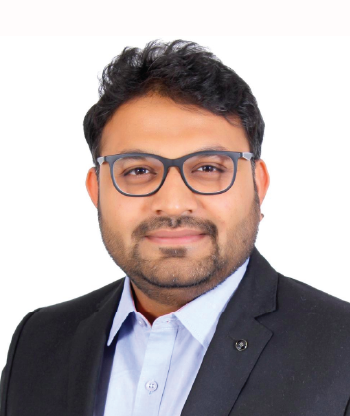
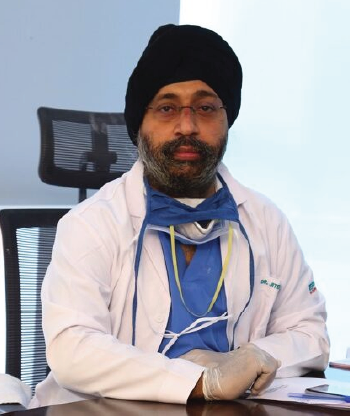
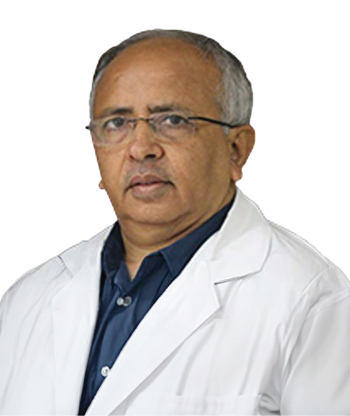
Talks By Our Expert Neurologist & Neuroradiologist Doctors
Dr. Jitender Singh
Dr. Jitender Singh Tuteja, Neurophysician – Epic Hospital speaking on Autistic Pride Day 2023
Neuro Treatment by Dr.Jitendra Singh Neurologist EPIC Hospital Ahmedabad Review Ms.Darshita Joshi
Our Patient Testimonial Neurologist & Neuroradiologist
Neuro Treatment by Dr.Jitendra Singh Neurologist EPIC Hospital Ahmedabad Review Ms.Darshita Joshi
Dr. Jitender Singh
Dr. Jitender Singh Tuteja, Neurophysician – Epic Hospital speaking on Autistic Pride Day 2023
Blogs By Our Expert Neurologist & Neuroradiologist
Frequently Asked Questions - Epilepsy Treatment in Ahmedabad
What is epilepsy and is it the same as having a seizure?
Epilepsy is a neurological condition defined by a predisposition to recurrent unprovoked seizures – two or more unprovoked seizures, or one unprovoked seizure with a high recurrence risk. A seizure is a single episode of abnormal electrical activity in the brain. Not every seizure means epilepsy – provoked seizures from metabolic causes, alcohol withdrawal, or acute illness may not recur once the cause is treated.
What happens at a first seizure assessment at EPIC Hospital Ahmedabad?
First seizure assessment at EPIC Multispecialty Hospital, Ahmedabad, includes a detailed history of the event (from a witness if possible), neurological examination, blood tests (glucose, sodium, calcium, liver and kidney function), EEG, and MRI brain. The goal is to determine whether the event was a seizure, whether it was provoked or unprovoked, and what the recurrence risk is – which determines whether antiepileptic therapy should be started.
What is an EEG and will I need one?
An EEG (electroencephalogram) records brain electrical activity via scalp electrodes. It is the primary investigation for epilepsy – identifying interictal epileptiform discharges that support the diagnosis and help classify the epilepsy type. Most patients with a suspected first seizure or established epilepsy will need an EEG at some point. EEG is available at EPIC Multispecialty Hospital, Ahmedabad.
How long will I need to take antiepileptic medication?
Most patients take antiepileptic medication indefinitely – seizure relapse rates after withdrawal are significant even after years of seizure freedom. Withdrawal may be considered after 2 to 5 seizure-free years in selected patients, particularly those with normal EEG and neuroimaging and a benign epilepsy syndrome. The decision to attempt withdrawal is individualised and involves careful discussion of the risks – including the driving implications of a recurrent seizure.
Can epilepsy be cured with surgery?
For patients with drug-resistant focal epilepsy arising from a resectable brain area – particularly temporal lobe epilepsy with mesial temporal sclerosis – surgical resection achieves seizure freedom in 60 to 70 percent of appropriately selected patients. Surgery evaluation requires video-EEG monitoring, high-resolution MRI, neuropsychological testing, and sometimes functional imaging. EPIC Hospital Ahmedabad performs surgical candidacy assessment and coordinates referral for surgery.
Is it safe to drive with epilepsy?
Driving regulations for epilepsy vary but generally require a seizure-free period – typically 12 months in India for private vehicles. Patients with a first unprovoked seizure are advised not to drive until their recurrence risk is assessed and a clear period has passed. Our neurologists at EPIC Multispecialty Hospital, Ahmedabad, provide specific driving guidance based on seizure type, frequency, and current medication status.
What is the cost of epilepsy treatment at EPIC Multispecialty Hospital Ahmedabad?
Epilepsy treatment costs at EPIC Hospital Ahmedabad cover neurology consultations, EEG, MRI brain, and antiepileptic medications. Most antiepileptic drugs are available as affordable generics. Newer agents (lacosamide, brivaracetam) carry higher medication costs. Please contact our patient services team for current fee information. Insurance covers most epilepsy investigations and consultations.
Is EPIC Hospital Ahmedabad good for epilepsy treatment?
EPIC Multispecialty Hospital, Ahmedabad, provides comprehensive epilepsy care – accurate classification, appropriate drug selection, in-house EEG, MRI neuroimaging, and refractory epilepsy evaluation with surgical referral for appropriate candidates. Our epilepsy service serves patients from across Gujarat and neighbouring states who need specialist management beyond primary care antiepileptic prescribing.
Epilepsy Treatment in Ahmedabad – EPIC Multispecialty Hospital
Epilepsy treatment at EPIC Multispecialty Hospital, Ahmedabad, means accurate classification, appropriate drug selection, and systematic management of refractory cases – not the same drug prescribed to every seizure patient regardless of epilepsy type. If your seizures are not controlled, or you have concerns about your current medication, our neurology team will give you an honest reassessment.
Book an epilepsy consultation online, call EPIC Multispecialty Hospital Ahmedabad today, WhatsApp your EEG reports and current medication list for initial review, or visit us directly – and get epilepsy care that is built on what your specific seizure type actually needs.