
Thyroid Clinic in Ahmedabad - Comprehensive Thyroid Disorder Management at EPIC Multispecialty Hospital
Thyroid disorders are the second most common endocrine condition in India after diabetes – and in women, they are the most common. The thyroid gland, a butterfly-shaped structure in the front of the neck, produces thyroxine and triiodothyronine – hormones that regulate metabolism, energy, body temperature, heart rate, and virtually every organ system. When the thyroid produces too little or too much of these hormones, the effects are wide-ranging and often insidious.
At EPIC Multispecialty Hospital, Ahmedabad, our thyroid clinic provides specialist endocrinology management for the full spectrum of thyroid disease – underactive thyroid (hypothyroidism), overactive thyroid (hyperthyroidism) including Graves’ disease, thyroiditis in its various forms, thyroid nodules and goitre, and follow-up care for patients after thyroid cancer surgery. In a region like Gujarat, where iodine sufficiency is variable and autoimmune thyroid disease is prevalent, the demand for specialist thyroid care is substantial.
Patients attend our thyroid clinic in Ahmedabad from across Gujarat – from Vadodara, Surat, Rajkot, Gandhinagar, Bopal, Satellite, and the SG Highway corridor – and from Rajasthan and Madhya Pradesh, seeking thyroid management beyond generic levothyroxine prescribing and a routine TSH check.
Thyroid Conditions Managed at EPIC Multispecialty Hospital, Ahmedabad
- Hypothyroidism – underactive thyroid: Primary hypothyroidism – most commonly caused by Hashimoto’s thyroiditis (autoimmune destruction of the thyroid gland) – is the most frequently managed thyroid condition at EPIC Hospital Ahmedabad. Symptoms include fatigue, weight gain, cold intolerance, constipation, dry skin, hair thinning, and depression. Treatment is levothyroxine replacement, titrated to achieve a TSH within the appropriate target range – which varies based on age, cardiovascular risk, bone density, and in pregnancy, specific tighter targets. At our thyroid clinic in Ahmedabad, we address the not uncommon situation of patients who remain symptomatic despite a ‘normal’ TSH on levothyroxine – assessing T3 levels, exploring combination T4/T3 therapy in selected patients, and investigating alternative causes.
- Hyperthyroidism – overactive thyroid: Graves’ disease is the most common cause of sustained hyperthyroidism – an autoimmune condition in which TSH receptor antibodies (TRAb) stimulate the thyroid continuously, producing excess thyroxine. Symptoms include weight loss, palpitations, tremor, heat intolerance, diarrhoea, anxiety, and in Graves’ specifically, thyroid eye disease. At EPIC Multispecialty Hospital, Ahmedabad, hyperthyroidism is managed with antithyroid drugs (carbimazole or propylthiouracil), radioiodine therapy, or thyroid surgery – the choice depending on goitre size, thyroid eye disease severity, pregnancy plans, and patient preference.
- Thyroid nodules and goitre: Thyroid nodules are extremely common – present in up to 50 percent of adults on ultrasound – and the vast majority are benign. However, approximately 5 to 10 percent of thyroid nodules are malignant, and accurate risk stratification is essential. At EPIC Hospital Ahmedabad, thyroid nodule evaluation uses high-resolution ultrasound and the TIRADS classification system, with fine needle aspiration cytology (FNAC) for nodules meeting size and sonographic risk criteria. Bethesda reporting of FNAC guides management – surveillance, repeat sampling, molecular testing, or surgery.
- Hashimoto’s thyroiditis: The most common autoimmune thyroid disease – characterised by positive anti-TPO antibodies and lymphocytic infiltration of the thyroid gland. Most patients with Hashimoto’s eventually develop hypothyroidism requiring levothyroxine replacement. Some patients with elevated antibodies but normal thyroid function ask about dietary interventions – selenium, gluten-free diets – and at our thyroid clinic in Ahmedabad, these discussions are conducted on the basis of current evidence rather than anecdote.
- Subacute and postpartum thyroiditis: Subacute thyroiditis (De Quervain’s thyroiditis) presents with thyroid pain and a transient hyperthyroid phase followed by hypothyroidism before spontaneous recovery. Postpartum thyroiditis – affecting 5 to 10 percent of women in the first year after delivery – follows a similar triphasic pattern. At EPIC Multispecialty Hospital, Ahmedabad, both conditions are recognised accurately and managed expectantly where appropriate, avoiding unnecessary antithyroid drug treatment for a self-limiting condition.
- Thyroid cancer follow-up: Patients treated with thyroidectomy and radioiodine ablation for differentiated thyroid cancer (papillary or follicular) require lifelong surveillance – serial thyroglobulin measurements, thyroglobulin antibody monitoring, neck ultrasound, and periodic radioiodine whole-body scanning where indicated. Levothyroxine dose is adjusted to maintain TSH suppression appropriate for the patient’s risk category. Our endocrinologists at EPIC Hospital Ahmedabad manage post-thyroid cancer surveillance according to current ATA (American Thyroid Association) guidelines.
- Thyroid disorders in pregnancy: Thyroid disease in pregnancy carries specific management requirements – hypothyroidism in pregnancy requires tighter TSH targets (below 2.5mIU/L in the first trimester, below 3.0mIU/L in the second and third) and often a levothyroxine dose increase of 25 to 30 percent. Hyperthyroidism in pregnancy requires careful choice of antithyroid drug (PTU preferred in the first trimester due to teratogenicity profile differences). Gestational transient thyrotoxicosis, driven by hCG, must be distinguished from Graves’ disease to avoid inappropriate treatment. Our thyroid clinic in Ahmedabad manages these nuances with the precision they require.
What Proper Thyroid Management Looks Like – and Where It Often Falls Short in Ahmedabad
Thyroid disease is one of the most common conditions managed in outpatient medicine in Ahmedabad – and it is also one of the most inconsistently managed. The problems are well-recognised: hypothyroidism is overtreated in some patients (TSH suppressed below normal, contributing to atrial fibrillation and osteoporosis), undertreated in others (TSH persistently elevated despite levothyroxine, often due to inconsistent absorption). Hyperthyroidism is managed with antithyroid drugs without a systematic plan for titration, remission assessment, or decision-making about definitive therapy. Thyroid nodules are either ignored or referred for surgery based on ultrasound appearance alone, without systematic TIRADS-based risk stratification and FNAC where indicated.
The management of subclinical hypothyroidism – a raised TSH with normal free T4 – is a specific area where clinical judgement from a specialist makes a genuine difference. Most guidelines now recommend against treating subclinical hypothyroidism with TSH below 10mIU/L in older patients without specific symptoms, because treatment in this group produces no clinical benefit and carries risks including induced hyperthyroidism, cardiac arrhythmia, and bone loss. Yet many patients in Ahmedabad with mildly elevated TSH are commenced on levothyroxine without this nuance being applied. At EPIC Multispecialty Hospital, Ahmedabad, our thyroid specialists make this decision based on TSH level, symptom burden, anti-TPO antibody status, patient age, cardiovascular status, and the presence of specific conditions like heart failure where even mild hypothyroidism carries different implications.
The choice between antithyroid drugs, radioiodine, and surgery for Graves’ disease is another area where specialist experience changes outcomes. Antithyroid drugs achieve remission in approximately 50 percent of patients at 18 to 24 months – those who do not remit require definitive therapy. For patients with active thyroid eye disease, radioiodine is relatively contraindicated because it can worsen orbital disease. For patients planning pregnancy within 6 months, thyroidectomy offers the fastest path to the euthyroid state needed for safe conception. For patients with large goitres causing compressive symptoms, surgery removes the structural problem alongside treating the hormonal excess. None of these decisions can be made correctly without the clinical information and specialist judgement that our thyroid clinic in Ahmedabad provides.
Thyroid nodule management has been transformed by systematic ultrasound classification – specifically the TIRADS (Thyroid Imaging Reporting and Data System) score – which stratifies nodules by malignancy risk based on sonographic features. A TIRADS 2 nodule (purely cystic, no suspicious features) has effectively zero malignancy risk and requires no FNAC. A TIRADS 5 nodule with multiple high-risk features has a 35 percent or higher malignancy risk and requires FNAC regardless of size. Between these extremes, the combination of TIRADS score and nodule size determines whether FNAC is indicated. This systematic approach – applied at EPIC Multispecialty Hospital, Ahmedabad, by endocrinologists who use it routinely – prevents unnecessary FNAC of benign nodules and ensures appropriate biopsy of high-risk ones.
Know Your Signs

Emergency Services
Our dedicated emergency team is available 24/7 to provide immediate medical care and support in critical situations.

Get In Touch
BOOK AN APPOINTMENT
Find Best Endocrinology & Diabetology Hospital in Ahmedabad
Why Choose EPIC Multispecialty Hospital for Endocrinology & Diabetology Care?

Our Team of Expert Endocrinologist & Diabetologist
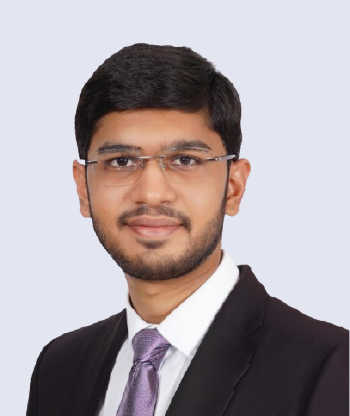
DR. SMIT TUSHAR SHAH
M.B.B.S., M.D., D.M. (Endocrinology, Diabetes & Metabolism)
CONSULTANT ADULT & PAEDIATRIC ENDOCRINOLOGIST
Read MoreTalks By Our Expert Endocrinology & Diabetology Surgeons
Could Your Body Be Signaling High Blood Sugar?
What Is thyroid? by Dr. Payal Shah
Surgical Option for Thyroid Disorders – Dr. Bhavin Vadodariya
Our Patient Testimonial Endocrinology & Diabetology Surgeons
Surgical Option for Thyroid Disorders – Dr. Bhavin Vadodariya
What Is thyroid? by Dr. Payal Shah
Could Your Body Be Signaling High Blood Sugar?
Blogs By Our Expert Endocrinology & Diabetology Surgeons
Frequently Asked Questions - Thyroid Clinic in Ahmedabad
What is hypothyroidism and how is it treated?
Hypothyroidism is an underactive thyroid – the thyroid gland produces insufficient thyroxine, causing fatigue, weight gain, cold intolerance, constipation, dry skin, and depression. The most common cause is Hashimoto’s thyroiditis (autoimmune). Treatment is levothyroxine replacement, taken daily, titrated to maintain TSH within the appropriate range for the patient’s age, cardiovascular status, and any special circumstances such as pregnancy.
What is hyperthyroidism and what causes it?
Hyperthyroidism is an overactive thyroid producing excess thyroxine, causing weight loss, palpitations, tremor, heat intolerance, anxiety, and in Graves’ disease specifically, thyroid eye disease. The most common cause in Ahmedabad is Graves’ disease (autoimmune), followed by toxic multinodular goitre and toxic adenoma. Treatment options include antithyroid drugs (carbimazole, PTU), radioiodine, or thyroid surgery – the choice depends on individual factors assessed at our thyroid clinic in Ahmedabad.
What is a thyroid nodule and do all nodules need biopsy?
A thyroid nodule is a discrete lump within the thyroid gland – found in up to 50 percent of adults on ultrasound. The vast majority are benign. FNAC (fine needle aspiration cytology) is indicated for nodules meeting sonographic risk criteria on TIRADS classification and size thresholds. At EPIC Multispecialty Hospital, Ahmedabad, we apply TIRADS-based risk stratification to avoid unnecessary FNAC of clearly benign nodules and ensure appropriate sampling of suspicious ones.
What is Graves' disease and does it cause eye problems?
Graves’ disease is an autoimmune condition in which TSH receptor antibodies (TRAb) stimulate the thyroid to overproduce hormones. It is the most common cause of hyperthyroidism. Thyroid eye disease (Graves’ ophthalmopathy) – causing eye protrusion, double vision, and lid retraction – occurs in 25 to 50 percent of patients with Graves’ disease. Active thyroid eye disease affects the choice of treatment for hyperthyroidism – radioiodine is relatively contraindicated, and the severity of eye disease is monitored by our endocrinologists and ophthalmology colleagues at EPIC Hospital Ahmedabad.
What is Hashimoto's thyroiditis?
Hashimoto’s thyroiditis is an autoimmune condition in which the immune system attacks thyroid tissue, causing chronic inflammation and progressive thyroid destruction. It is the most common cause of hypothyroidism in India. It is characterised by elevated anti-TPO (thyroid peroxidase) antibodies on blood testing. Most patients with Hashimoto’s eventually require levothyroxine replacement as thyroid function declines over time.
Should subclinical hypothyroidism be treated?
Subclinical hypothyroidism – raised TSH with normal free T4 – does not always require treatment. Current guidelines recommend against treating subclinical hypothyroidism with TSH below 10mIU/L in asymptomatic patients over 65, as treatment offers no benefit and carries risk of induced hyperthyroidism. In younger symptomatic patients, those with anti-TPO antibodies (higher progression risk), or in pregnancy, treatment is more often warranted. Our thyroid specialists at EPIC Hospital Ahmedabad make this decision based on your specific clinical picture.
What is thyroid FNAC and what does it involve?
Fine needle aspiration cytology (FNAC) of a thyroid nodule involves inserting a thin needle into the nodule under ultrasound guidance to obtain cells for microscopic examination. The procedure takes 10 to 15 minutes in clinic, requires no anaesthesia, and causes minimal discomfort. Results are classified using the Bethesda system (I to VI) to indicate malignancy risk and guide management. FNAC is available at EPIC Multispecialty Hospital, Ahmedabad, with ultrasound guidance for accurate sampling.
What is the cost of thyroid clinic consultation and investigations at EPIC Hospital Ahmedabad?
Thyroid clinic consultation fees at EPIC Multispecialty Hospital, Ahmedabad, vary based on the consultant and appointment type. Key investigations including TSH, free T4, free T3, anti-TPO antibodies, TRAb, thyroid ultrasound, and FNAC carry separate fees. Please contact our patient services team for current pricing. Most thyroid investigations and treatments are covered by health insurance.
Is EPIC Multispecialty Hospital Ahmedabad good for thyroid treatment?
EPIC Hospital Ahmedabad provides a dedicated thyroid clinic within a full endocrinology department – managing hypothyroidism, hyperthyroidism, Graves’ disease, thyroid nodules, thyroiditis, and post-thyroid cancer surveillance. Our endocrinologists apply TIRADS-based nodule risk stratification, systematic antithyroid drug titration, and evidence-based treatment selection for Graves’ disease. Patients from across Gujarat – Vadodara, Surat, Rajkot, Gandhinagar – attend our thyroid clinic regularly for specialist thyroid management.
Thyroid Clinic in Ahmedabad – EPIC Multispecialty Hospital
Thyroid management at EPIC Multispecialty Hospital, Ahmedabad, goes well beyond routine TSH measurement and levothyroxine prescription. It involves accurate diagnosis, properly calibrated treatment, systematic nodule risk stratification, and the specialist judgement that distinguishes good thyroid care from generic endocrine management.
Book a thyroid clinic appointment online, call EPIC Multispecialty Hospital Ahmedabad today, WhatsApp your thyroid function tests or ultrasound reports for initial review, or visit our thyroid clinic in Ahmedabad directly – and get thyroid care that is based on what your specific condition actually requires.