
Balloon Valvuloplasty in Ahmedabad
Opening Narrowed Heart Valves Without Open Surgery
There is a category of narrowed heart valve disease where open surgery can be avoided entirely. Balloon valvuloplasty in Ahmedabad at EPIC Multispecialty Hospital achieves what once required a sternotomy and a heart-lung machine – through a catheter introduced through the leg, with no chest incision, and typically a one-night hospital stay.
India carries one of the highest global burdens of rheumatic mitral stenosis – a condition in which the mitral valve leaflets are fused and thickened by childhood rheumatic fever, progressively narrowing the valve opening. For these patients, Percutaneous Transvenous Mitral Commissurotomy (PTMC) – the most common form of balloon valvuloplasty – opens the valve without any chest incision and typically provides symptomatic relief for years.
What Is Balloon Valvuloplasty?
Balloon valvuloplasty is a catheter-based procedure that opens a narrowed (stenotic) heart valve using an inflatable balloon. A catheter carrying a deflated balloon is guided from the femoral vein in the groin to the target valve. When the balloon is inflated within the narrowed valve opening, it separates the fused leaflets – widening the effective valve area.
Percutaneous Transvenous Mitral Commissurotomy (PTMC) for Mitral Stenosis
PTMC is the most established form of balloon valvuloplasty in Ahmedabad. The procedure involves crossing the interatrial septum through a transseptal puncture, then advancing the balloon to the mitral valve. Balloon inflation splits the fused leaflet tips, doubling or tripling the effective valve area in a single inflation. Results are typically immediate and dramatic: breathlessness improves within hours to days.
Pulmonary Balloon Valvuloplasty for Pulmonary Stenosis
Pulmonary stenosis – narrowing of the pulmonary valve – is the most common right-sided valve condition treated by balloon valvuloplasty. It is frequently congenital and often detected in childhood or young adulthood. Pulmonary balloon valvuloplasty is the treatment of choice – highly effective, carrying very low risk, and avoiding surgery entirely in most cases.
Who Is Suitable for Balloon Valvuloplasty?
Patient selection for balloon valvuloplasty is the most important determinant of outcome. For PTMC, the Wilkins echo score guides selection: valve leaflet mobility, thickness, calcification, and the degree of subvalvar disease are each scored. Patients with a total Wilkins score of 8 or below consistently achieve excellent results. Those with heavily calcified or immobile valves, significant mitral regurgitation, or clot in the left atrial appendage are better served by valve surgery.
What to Expect During and After Balloon Valvuloplasty at EPIC Hospital
Before the Procedure
Echocardiography, blood tests, and a transoesophageal echo (TOE) to rule out left atrial clot are performed before PTMC. Anticoagulation is used in the weeks before the procedure to ensure the left atrium is clot-free. You fast for 4 to 6 hours beforehand.
During the Procedure
Balloon valvuloplasty is performed under local anaesthesia with sedation in our cardiac catheterisation laboratory. The transseptal puncture is guided by echocardiography and fluoroscopy. Balloon inflation takes seconds. The whole procedure takes 60 to 90 minutes.
After the Procedure
Most patients are monitored in the cardiac ward overnight and discharged the following day. Breathlessness, exercise capacity, and symptoms typically improve noticeably within 24 to 48 hours. A follow-up echocardiogram is performed before discharge and at 4 to 6 weeks.
Why Choose EPIC Multispecialty Hospital for Balloon Valvuloplasty in Ahmedabad?
- Experienced interventional cardiology team performing PTMC and pulmonary valvuloplasty regularly
- Advanced echocardiographic assessment including Vivid E95 ECHO Lab for precise patient selection
- Two dedicated cath labs – Azurion 5 C20 and IGS 520 – for optimal imaging during the procedure
- Structural heart team that evaluates every valve patient for catheter-based, surgical, and transcatheter options together
State-of-the-Art Modular Operating Theater

Emergency Services
Our dedicated emergency team is available 24/7 to provide immediate medical care and support in critical situations.

Get In Touch
BOOK AN APPOINTMENT
Find Best Cardiology Hospital in Ahmedabad
Why choose Epic Multispecialty Hospital for Cardiology care?

Our Team of Expert Cardiology Surgeons
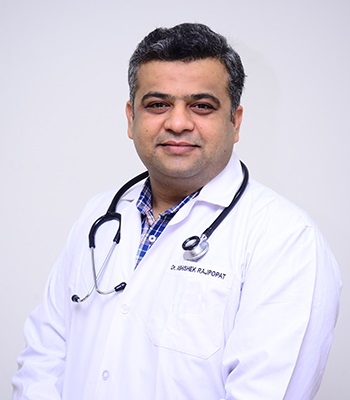
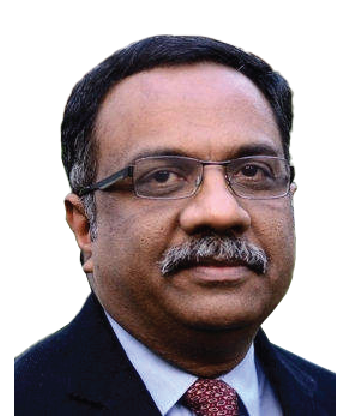
DR. ANOOP GUPTA
M.D., D.M., D.N.B., F.A.C.C., F.S.C.A.I.
INTERVENTIONAL CARDIOLOGIST & CARDIAC ELECTROPHYSIOLOGIST
Read More



Talks By Our Expert Cardiology Doctors
Patient Journey at EPIC: Bypass Surgery
Patient Testimonial:- Heart Valve Replacement Surgery
CABG Surgery – Dr. Anoop Gupta and Dr. Anil Jain & Team
Bypass surgery – Patient Testimonial by Dr. Anil Jain
Bypass and Valve Replacement Surgery – Dr. Anil Jain
Patient Testimonial – Dr. Anil Jain
Talks By Our Expert Cardiology Doctors
Patient Testimonial – Dr. Anil Jain
Bypass and Valve Replacement Surgery – Dr. Anil Jain
Bypass surgery – Patient Testimonial by Dr. Anil Jain
CABG Surgery – Dr. Anoop Gupta and Dr. Anil Jain & Team
Patient Testimonial:- Heart Valve Replacement Surgery
Patient Journey at EPIC: Bypass Surgery
Blogs By Our Expert Cardiology
Balloon Valvuloplasty in Ahmedabad - Frequently Asked Questions
Who is a good candidate for balloon valvuloplasty (PTMC) in Ahmedabad?
The ideal PTMC candidate has rheumatic mitral stenosis with a valve area below 1.5 cm², symptoms of breathlessness or reduced exercise capacity, and – on echocardiography – pliable valve leaflets without significant calcification or regurgitation. The Wilkins echo score guides this selection. Your cardiologist at EPIC Hospital will determine suitability after a thorough echo assessment.
How long does the improvement from PTMC last?
In well-selected patients, the benefits of PTMC are durable – freedom from re-intervention or symptoms at 5 years ranges from 70 to 90% in published series. The procedure can be repeated if restenosis occurs and anatomy remains suitable.
Is balloon valvuloplasty performed under general anaesthesia?
No. The procedure is performed under local anaesthesia with IV sedation. You are comfortable and relaxed but awake. General anaesthesia is not required, which reduces procedural risk and speeds recovery significantly compared to open surgery.
What are the risks of balloon valvuloplasty?
For PTMC in experienced hands, serious complications are uncommon. The main risks are significant mitral regurgitation (requiring surgery in 1 to 3% of cases), cardiac tamponade from the transseptal puncture, stroke from dislodged left atrial clot, and the small risks of any catheter-based procedure. Overall serious complication rates at high-volume centres are below 3%.
Can PTMC be performed during pregnancy?
Yes – and this is one of the scenarios where balloon valvuloplasty in Ahmedabad offers a particular advantage. Pregnant women with severe mitral stenosis can develop life-threatening cardiac decompensation as blood volume increases. PTMC can be performed safely during pregnancy – typically in the second trimester – with appropriate radiation shielding for the foetus.
Is PTMC related to any other catheter-based heart procedures?
Yes. Balloon valvuloplasty belongs to the same family of structural heart interventions as ASD device closure in Ahmedabad and TAVI treatment in Ahmedabad. All are performed in our cardiac catheterisation laboratory without open-heart surgery.
How long is the hospital stay for balloon valvuloplasty at EPIC Hospital?
Most patients undergoing PTMC or pulmonary balloon valvuloplasty at EPIC Hospital stay one to two nights. For straightforward cases, discharge is typically the day after the procedure with a clear follow-up plan.
Is balloon valvuloplasty available for aortic stenosis?
Balloon aortic valvuloplasty (BAV) has a very limited role in adults – the results are short-lived and the restenosis rate is high. Its primary use in adults is as a bridge to more definitive treatment – TAVI treatment in Ahmedabad or surgical valve replacement – in haemodynamically unstable patients.