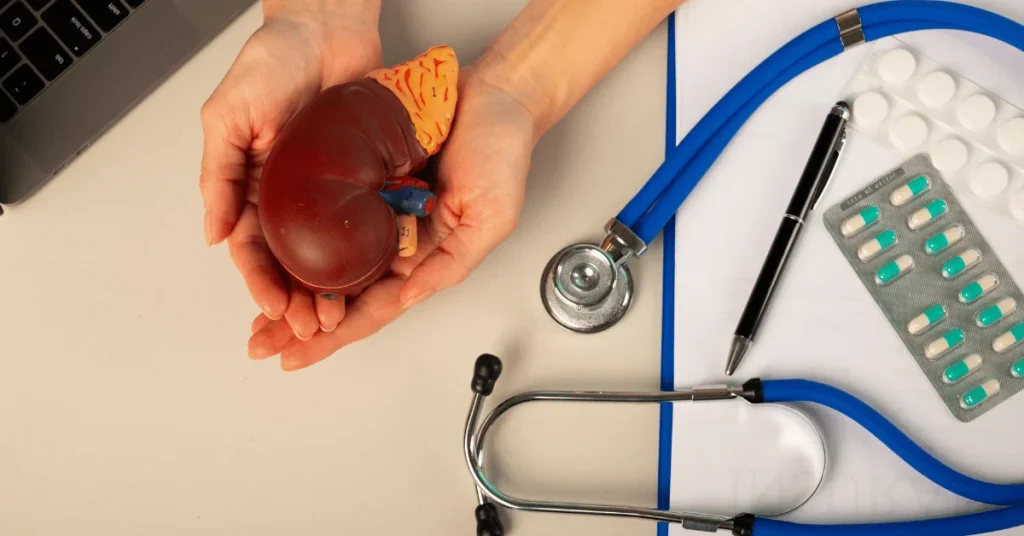
As a kidney specialist, I treat many patients whose kidney disease could have been prevented, or disease progression at least greatly slowed, if only they had understood one simple thing earlier: that diabetes and high blood pressure are the two biggest threats to the kidneys, and that the damage they cause builds quietly, often without any symptoms, until a great deal has been lost. I want to share this knowledge with you now, while it can still make a difference.
If you have diabetes or high blood pressure are lifestyle diseases — and so many people in Gujarat do — this is some of the most important health information you can have. The good news is that protecting your kidneys is largely within your control.
Why the Kidneys Suffer in Silence
Your kidneys are remarkable. They filter your blood, remove waste, and balance your body’s fluids, working quietly day and night. But they rarely complain. Kidney damage usually causes no pain and no obvious symptoms until it is quite advanced. This is the danger: by the time someone feels unwell, a lot of kidney function may already be lost. This is exactly why I urge people with diabetes and blood pressure not to wait for symptoms, but to protect their kidneys before any damage shows.
How Diabetes and Blood Pressure Harm the Kidneys
High blood sugar, over years, damages the tiny, delicate filters inside the kidneys. High blood pressure strains and damages the blood vessels that supply them. Together — and many people have both — they are the leading cause of kidney failure. The slower and steadier this damage, the easier it is to miss. But it is also, for that same reason, something we can act against early.
How to Protect Your Kidneys — My Essential Advice
- Control your blood sugar well: Keeping your diabetes under good control is the single most powerful thing you can do for your kidneys. Work with your doctor to keep your sugar levels where they should be, consistently.
- Control your blood pressure: Keeping your blood pressure in a healthy range protects the kidneys’ blood vessels. Take your medication as prescribed and check your pressure regularly.
- Get your kidneys checked regularly: This is crucial. Simple blood and urine tests can detect early kidney damage long before you feel anything. If you have diabetes or blood pressure, these checks should be part of your routine. Catching changes early lets us act in time.
- Be careful with painkillers: Frequent use of certain over-the-counter painkillers can harm the kidneys. Don’t take them regularly without medical advice, especially if you already have diabetes or blood pressure.
- Stay hydrated and eat sensibly: Drink enough water, keep salt moderate, and eat a balanced diet. Avoid unproven ‘kidney tonics’ and remedies, which sometimes do more harm than good.
The Questions My Patients Ask Me Most
I have diabetes but feel completely fine. Do I really need kidney tests?
Yes — and feeling fine is exactly why. Kidney damage causes no symptoms until it is advanced, so feeling well does not mean your kidneys are unaffected. Regular simple tests catch early changes while we can still act. This is one of the most valuable things you can do for your long-term health.
Can early kidney damage be reversed or stopped?
Early changes can often be slowed significantly, and sometimes reversed, by controlling your blood sugar and blood pressure well. The earlier it’s caught, the more we can do. This is why early detection matters so much — it gives us the chance to protect what you have.
Does kidney disease always lead to dialysis?
No. Many people with kidney disease, especially when caught early and managed well, never need dialysis. Good control of diabetes and blood pressure can keep the kidneys working for many years. Dialysis becomes necessary only when kidney function falls below 15% of normal, which good care aims to prevent or delay.
Your kidneys won’t warn you when they’re in trouble — so please don’t wait for a warning. If you have diabetes or blood pressure, control them well and get your kidneys checked regularly. It is simple, it is powerful, and it could spare you a great deal of suffering down the road.