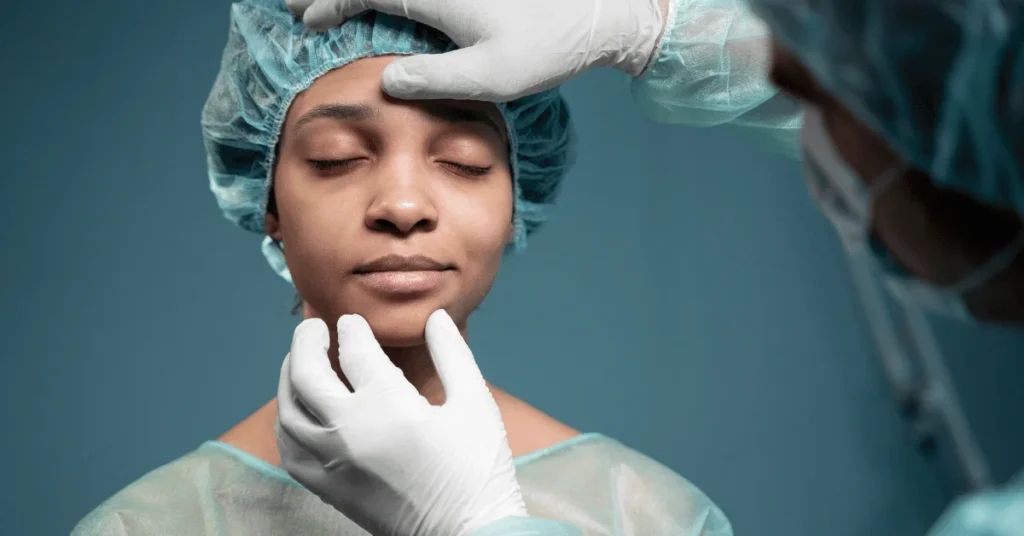
When people hear ‘plastic surgery‘, many think only of cosmetic procedures. But a great deal of my work as a reconstructive surgeon is something quite different and deeply rewarding — helping people who have been changed by injury, burns, cancer, or birth defects to feel whole again, both in how their body works and in how they feel about themselves. This is reconstructive surgery, and it is about far more than appearance.
Let me share what this field really does, because for many people who are suffering quietly, it offers a kind of hope they may not realise exists.
What Reconstructive Surgery Actually Restores
Reconstructive surgery has two goals that matter equally: restoring function — how a part of the body works — and restoring form, how it looks. Often these go hand in hand. When we rebuild a hand damaged in an accident, we are restoring both the ability to grip and the appearance that lets a person feel comfortable in the world again. The two are not separate; they are both part of healing the whole person.
Who Reconstructive Surgery Helps
- People recovering from injury: Accidents, especially road and workplace injuries, can damage skin, tissue, and the structures beneath. Reconstruction rebuilds these, restoring both function and appearance as fully as possible.
- Those healing after burns: Burns can leave scars that restrict movement and cause deep distress. Reconstructive techniques can release tight scars, restore movement, and improve appearance, making an enormous difference to a person’s life.
- Patients after cancer surgery: When cancer surgery removes part of the body — the breast, or areas of the face, mouth, or jaw in head and neck cancers — reconstruction helps restore what was lost, supporting not just appearance but the ability to eat, speak, and live normally.
- Children and adults with birth defects: Some people are born with differences that affect function or appearance, and reconstructive surgery can help correct these, often transforming confidence and quality of life.
Why This Is About Confidence, Not Vanity
I want to address something gently, because I see it hold people back. Some patients feel that wanting to look or feel normal again after an injury or illness is somehow vain or selfish. It is not. How you feel about your body affects your confidence, your relationships, your willingness to step back into the world. Restoring a sense of wholeness is a genuine and important part of healing. Caring about it is human, and helping with it is one of the most meaningful parts of my work.
The Questions My Patients Ask Me Most
Is reconstructive surgery only about how I look?
Not at all. A great deal of it is about restoring function — how your hand grips, how your face moves, how you eat or speak — alongside appearance. Often the two go together. The goal is to help your body work well and to help you feel comfortable in it again.
I was injured or had surgery a while ago. Is it too late for reconstruction?
Often it is not too late. Reconstruction can sometimes help long after the original injury or surgery. It’s worth having an assessment to understand what might be possible for your specific situation, even if some time has passed.
Will reconstruction interfere with my cancer treatment?
Reconstruction is carefully planned around your cancer treatment so that it supports your overall care rather than compromising it. Sometimes it’s done at the same time as cancer surgery, sometimes later. Your cancer team and I coordinate the timing closely, with treating the cancer always taking priority.
If an injury, illness, or surgery has changed your body and taken some of your confidence with it, please know there may be more that can be done than you realise. Healing the whole person — body and spirit — is exactly what reconstructive surgery is for.