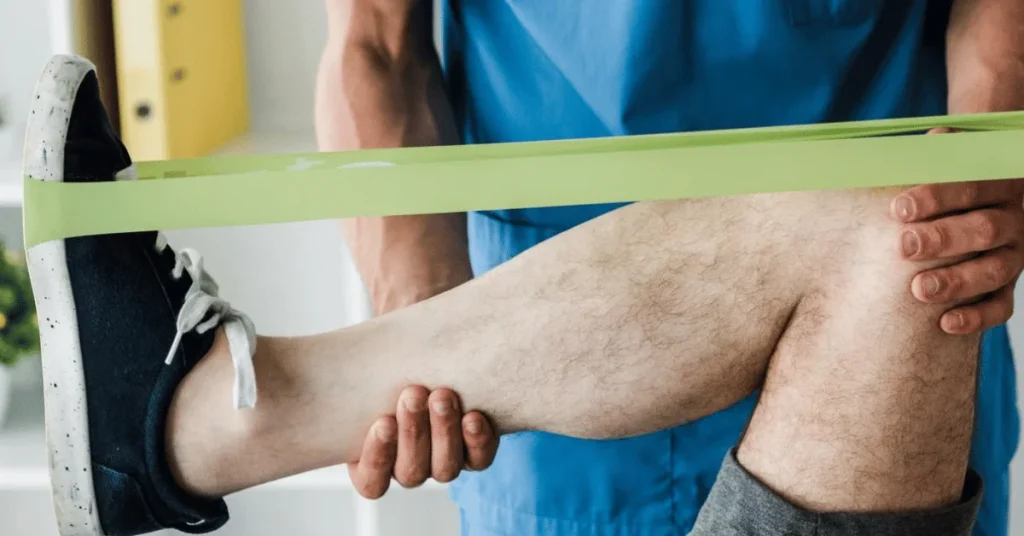
Common Sports Injuries – What You Can Manage, and When to See a Specialist
Whether you’re a serious athlete, a weekend cricketer, someone who’s recently taken up running, or a parent watching a child play sport, injuries are part of being active. Most of them are minor and heal with a bit of rest and patience. But some look minor and aren’t – and treating a real injury as if it’s nothing is one of the most common ways people end up with a problem that lingers for months or years.
Knowing the difference between an injury you can manage yourself and one that needs a specialist’s attention is genuinely useful. Here’s a practical guide, without the panic and without the dismissiveness.
The Sports Injuries We See Most Often
- Sprains and strains: A sprain is a stretched or torn ligament; a strain affects a muscle or tendon. Most mild ones heal with rest, ice, and time. The trouble starts when people return to activity too soon and turn a small injury into a recurring one.
- Ligament tears: The knee is especially vulnerable – ACL tears are common in sports involving sudden turns, like football and kabaddi. A ligament tear often comes with a ‘pop’, rapid swelling, and a feeling that the joint is unstable. These frequently need proper assessment rather than waiting it out.
- Meniscus (cartilage) tears: The meniscus cushions the knee, and twisting injuries can tear it. Symptoms include pain, swelling, and sometimes the knee catching or locking. Some heal with conservative care; others need keyhole surgery.
- Shoulder injuries: Throwing sports and falls can cause rotator cuff injuries or shoulder dislocations. Persistent shoulder pain, weakness, or a shoulder that keeps slipping out needs specialist attention.
- Overuse injuries: Not all injuries come from a single moment. Tennis elbow, runner’s knee, and stress fractures build up gradually from repeated strain. They’re easy to ignore until they force you to stop – and easier to treat when caught early.
The Golden Rule for the First Two Days
For most acute sports injuries, the sensible immediate approach is rest, ice, compression, and elevation – giving the injured part a chance to settle and keeping swelling down. Avoid heat and vigorous massage in the first couple of days, as these can increase swelling. This first-aid approach is right for minor injuries, but it’s not a substitute for assessment when the injury is more serious.
When ‘Rest and Ice’ Isn’t Enough – See a Specialist
Some signs mean you should stop self-managing and get proper attention. Severe pain or significant swelling. A joint that feels unstable, gives way, or won’t bear weight. A ‘pop’ at the moment of injury, especially in the knee. A joint that locks or catches. Inability to move the joint normally. Pain that isn’t improving after a week or two of sensible rest. And any injury where you’re simply not sure – because getting it assessed early often means simpler treatment and a faster, fuller recovery.
The real value of seeing someone who focuses on sports injuries is getting an accurate diagnosis and a recovery plan designed to get you back to your activity properly – not just patched up. You can read about the range of injuries managed on our page for the sports injury specialist in Ahmedabad.
Questions People Ask About Sports Injuries
How do I know if my injury is serious or just a minor sprain?
Warning signs of a more serious injury include severe pain, rapid or significant swelling, a joint that feels unstable or gives way, a ‘pop’ at the time of injury, or inability to bear weight. If any of these are present – or if you’re simply unsure – it’s worth getting assessed rather than guessing.
I heard a ‘pop’ in my knee when I got injured. What does that mean?
A pop at the moment of a knee injury, especially with rapid swelling and a feeling of instability, can suggest a ligament tear such as the ACL. This deserves proper assessment rather than waiting it out, as accurate early diagnosis opens up the best treatment options.
When can I return to my sport after an injury?
Returning too early is one of the most common causes of re-injury. The right time depends on the specific injury and how well it has healed and rehabilitated. A proper assessment and a structured return-to-sport plan protect you from going back before you’re truly ready.
Do all sports injuries need surgery?
No – the great majority are treated without surgery, through rest, physiotherapy, and a structured rehabilitation plan. Surgery is reserved for specific injuries like significant ligament tears or certain cartilage problems. Accurate diagnosis tells you which path is right.
Get Back to Your Game, Properly
A sports injury treated properly heals better and comes back less often than one you push through. Book a consultation online, call our sports injury team, WhatsApp your scans or details of the injury for an initial opinion, or visit EPIC Hospital in Ahmedabad and get a plan to return to what you love.