Time Lost Is Brain Lost: Recognizing Stroke Symptoms Early
In all of medicine, there are few emergencies where minutes matter as much as they do in stroke. As a neurologist, the single most important message I can give to the public is this: when a stroke strikes, time lost is brain lost. Every minute of delay in getting treatment means more of the brain is damaged — and yet, so often, precious time is wasted simply because people don’t recognise what’s happening, or hope it will pass. I want to change that, because recognising a stroke quickly can save a life and a future.
What a Stroke Is, Simply Put
A stroke happens when the blood supply to part of the brain is suddenly cut off — usually by a clot blocking a vessel, or sometimes by bleeding. Brain cells need a constant blood supply, and without it they begin to die quickly. This is why speed matters so much: the faster blood flow is restored, the more brain we can save. The damage done by a stroke affects whatever that part of the brain controlled — movement, speech, vision, balance — which is why its effects can be so devastating, and why fast treatment matters so much.
Recognising a Stroke – Remember BEFAST
There is a simple way to recognise a stroke quickly, and I urge every family to learn it. Remember the word BEFAST:
- B — Balance: Has the person suddenly lost balance or coordination, or developed difficulty walking without any obvious reason?
- E — Eye Changes: Has the person suddenly developed blurred vision, double vision, or loss of vision in one or both eyes?
- F — Face: Has the face drooped on one side? Ask the person to smile. Is the smile uneven?
- A — Arms: Can the person raise both arms and keep them up? Does one arm drift downwards or feel weak?
- S — Speech: Is their speech slurred, strange, or hard to understand? Can they repeat a simple sentence?
- T — Time: If you see any of these signs, it’s time to act immediately. Note when the symptoms started and get the person to a hospital equipped for stroke care without delay.
Other sudden signs can include a severe headache unlike any before, sudden loss of vision, sudden numbness on one side of the body, or sudden trouble with balance. Any of these, appearing suddenly, should be treated as an emergency.
Why Acting Fast Is Everything
Here is what I most want people to understand. For many strokes, there are treatments that can restore blood flow and dramatically reduce the damage — but they work only within a limited window of time after the stroke begins. The sooner the person reaches a proper stroke-ready hospital, the more we can do. This is why you must never ‘wait and see’ with stroke symptoms, never lie down hoping they’ll pass, never wait until morning. Call for help and get to hospital immediately. The brain you save may be your own or that of someone you love.
The Questions My Patients Ask Me Most
What should I do if I think someone is having a stroke?
Act immediately — don’t wait to see if it passes. Note the time the symptoms started and get the person to a hospital equipped for stroke care as fast as possible, calling for emergency help. Do not give them anything to eat or drink. Fast action gives them the best chance, because the treatments that help most work within a limited time window.
The symptoms went away after a few minutes. Is it still serious?
Yes — please don’t dismiss it. Stroke symptoms that come and go can be a warning, sometimes called a mini-stroke, that a major stroke may follow. It needs urgent assessment, not relief that it passed. Treating it promptly can prevent a far more serious stroke. Please get it checked the same day.
Can a person recover well after a stroke?
Many people recover significantly, especially when treated quickly and given good rehabilitation. How well someone recovers depends on which part of the brain was affected, how fast treatment was received, and how committed the rehabilitation is. Acting fast gives the best possible chance of a good recovery, which is exactly why recognising it early matters so much.
Please learn the word FAST, and share it with your family. A stroke is one of the few emergencies where what you do in the first minutes can change everything. Recognise it, act immediately, and never wait. Time lost is brain lost — but time saved saves lives.
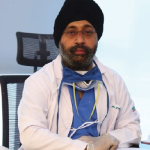
Dr. Jitendra Singh Tuteja M.D., D.N.B.
Consultant Neurologist, EPIC Multispecialty Hospital, Ahmedabad.
This article is shared for general patient education and awareness. It is not a substitute for a personal consultation. If any of the symptoms or concerns here apply to you, please speak with a qualified doctor.

Emergency Services
Our dedicated emergency team is available 24/7 to provide immediate medical care and support in critical situations.
