
Bladder Cancer Treatment in Ahmedabad — Expert Uro-Oncology at EPIC Multispecialty Hospital
Bladder cancer is one of the most common urological malignancies — and one of the most expensive to manage, because the majority of non-muscle-invasive bladder cancers (NMIBC) require lifelong cystoscopic surveillance after initial treatment due to high recurrence rates. In Ahmedabad and Gujarat, bladder cancer is associated with tobacco use (the strongest modifiable risk factor), occupational exposure to aromatic amines in the textile dyeing industry — which is significant across Gujarat — and potentially chronic urinary tract infection and schistosomiasis in specific communities.
At EPIC Multispecialty Hospital, Ahmedabad, bladder cancer treatment is delivered through a dedicated uro-oncology programme covering the full spectrum — flexible cystoscopy for haematuria investigation, TURBT (transurethral resection of bladder tumour) for initial diagnosis and treatment, intravesical BCG immunotherapy or mitomycin C for high-risk NMIBC, radical cystectomy with urinary diversion for muscle-invasive bladder cancer, and systemic cisplatin-based chemotherapy for locally advanced and metastatic disease.
Patients with bladder cancer from across Gujarat — from Vadodara, Surat, Rajkot, Gandhinagar, Anand, Nadiad, and Bharuch — seek bladder cancer treatment at EPIC Multispecialty Hospital, Ahmedabad, where the complete uro-oncological service — from initial diagnostic cystoscopy through radical cystectomy and neobladder construction — is available in one programme.
Bladder Cancer Treatment at EPIC Multispecialty Hospital, Ahmedabad — Staging-Based Management
- Cystoscopy and diagnosis: Visible haematuria (blood in urine) — painless, total, episodic — is the most common presenting symptom of bladder cancer, demanding urgent cystoscopic evaluation. Flexible cystoscopy under local anaesthesia visualises the bladder lining and identifies tumour location, size, number, and morphology. CT urogram (CTU) assesses the upper urinary tract for synchronous urothelial tumours and regional lymph node and organ involvement. At EPIC Hospital Ahmedabad, any patient with unexplained haematuria receives flexible cystoscopy and CTU as urgent investigations — not reassurance that it is likely benign.
- TURBT — transurethral resection of bladder tumour: TURBT is both the diagnostic and the primary therapeutic procedure for bladder tumours. Under general or spinal anaesthesia, the tumour is resected endoscopically through the cystoscope using a cutting electrode — sending tissue for histology (to determine tumour grade and depth of invasion) and clearing the visible tumour from the bladder wall. The depth of resection — reaching muscularis propria (muscle) — is critical for accurate staging. At EPIC Multispecialty Hospital, Ahmedabad, TURBT is performed with narrow-band imaging (NBI) or photodynamic diagnosis (PDD) where available — improving flat tumour detection rates by 20 to 30 percent. Re-TURBT (second resection) at 4 to 6 weeks is performed for high-grade T1 tumours to confirm staging and improve recurrence-free survival.
- Non-muscle invasive bladder cancer (NMIBC) — risk stratification and intravesical therapy: NMIBC (Ta, T1, Tis) is stratified by EAU risk group: low (single, low-grade, Ta), intermediate, and high risk (T1, high grade, carcinoma in situ — CIS). Low-risk NMIBC receives single post-TURBT intravesical mitomycin C and surveillance cystoscopy at 3 months. High-risk NMIBC receives induction BCG immunotherapy (6 weekly instillations) followed by maintenance BCG (SWOG protocol — 3 weekly instillations at 3, 6, 12, 18, 24, 30, and 36 months). BCG significantly reduces recurrence and progression in high-risk NMIBC. BCG-refractory disease — failure to achieve complete response or relapse within 12 months of BCG — is managed with radical cystectomy or emerging alternatives (pembrolizumab, nadofaragene firadenovec).
- Muscle-invasive bladder cancer (MIBC) — neoadjuvant chemotherapy and radical cystectomy: Muscle-invasive bladder cancer (T2 to T4a) requires radical treatment — primarily radical cystectomy with pelvic lymph node dissection. Neoadjuvant cisplatin-based chemotherapy (4 cycles of GC or MVAC before cystectomy — SWOG S8710 trial) improves 5-year overall survival by 5 to 8 percent and is standard for cisplatin-eligible patients at EPIC Multispecialty Hospital, Ahmedabad. Radical cystectomy removes the bladder, prostate and seminal vesicles (men), or uterus, ovaries, and anterior vaginal wall (women), with bilateral pelvic lymphadenectomy. Urinary diversion after cystectomy — ileal conduit (urostomy), continent cutaneous diversion (Indiana pouch), or orthotopic neobladder (Studer pouch, W-pouch — using bowel to construct a new bladder connected to the urethra) is discussed with each patient based on clinical and preference factors.
- Bladder cancer surveillance — the lifelong commitment: NMIBC has a recurrence rate of 30 to 70 percent within 5 years — requiring cystoscopic surveillance for life. At EPIC Multispecialty Hospital, Ahmedabad, surveillance cystoscopy follows EAU schedules: high-risk NMIBC — cystoscopy at 3, 6, 9, 12 months, then every 6 months to 5 years, then annually. After radical cystectomy, upper tract imaging and renal function monitoring are continued to detect upper tract recurrence and manage bowel diversion function.
- Immunotherapy for advanced bladder cancer: Immune checkpoint inhibitors (pembrolizumab, atezolizumab, nivolumab) have transformed the treatment landscape for platinum-ineligible metastatic urothelial cancer and as maintenance therapy after platinum-based chemotherapy. Pembrolizumab is approved as second-line therapy for platinum-refractory metastatic bladder cancer. Erdafitinib targets FGFR3 mutations present in 15 to 20 percent of urothelial cancers. Our medical oncology team at EPIC Hospital Ahmedabad coordinates systemic bladder cancer therapy within the uro-oncology programme.
Bladder Cancer in Ahmedabad — Haematuria Is Always Bladder Cancer Until Proven Otherwise
The most important message about bladder cancer in Ahmedabad is one about early presentation: visible haematuria — blood in the urine, even a single episode, even painless — is bladder cancer until cystoscopic evaluation proves otherwise. In Gujarat, a significant proportion of bladder cancer patients present late — with large or muscle-invasive tumours — because they attributed visible haematuria to a urinary tract infection, to kidney stones, or to dietary causes, and delayed seeking medical evaluation for months or years. By the time the haematuria becomes persistent or the patient presents with pain or urinary obstruction, a tumour that might have been a low-grade NMIBC completely resected by TURBT has become a muscle-invasive cancer requiring radical cystectomy.
The occupational dimension of bladder cancer in Gujarat is worth understanding. The textile dyeing industry — widespread across Gujarat in Surat, Ahmedabad, and smaller textile cities — historically used aromatic amines (benzidine, 2-naphthylamine) as dye intermediates, which are potent bladder carcinogens. Workers with chronic textile dye exposure have 5 to 10-fold elevated bladder cancer risk. The carcinogen exposure typically precedes bladder cancer by 15 to 25 years — meaning workers exposed in the 1990s are now in the highest-risk period for cancer development. If you or a family member has a history of occupational textile dye exposure in Ahmedabad, Surat, or other textile industry areas of Gujarat, proactive urological surveillance including urine cytology and cystoscopy for haematuria is warranted.
At EPIC Multispecialty Hospital, Ahmedabad, the diagnostic pathway for haematuria is systematic — flexible cystoscopy, CTU, urine cytology, and bladder washing cytology where indicated — not a brief outpatient encounter ending with empirical antibiotics. The investigation takes 1 to 2 outpatient visits. The benefit of finding a low-grade NMIBC and treating it with TURBT versus finding a muscle-invasive cancer that requires radical cystectomy is not measured in months — it is measured in survival probability and quality of life for the next 5 to 10 years.
Know Your Signs

Unexplained weight loss
Loss of appetite
Easy bruising or unusual bleeding
Weakened immune system
Persistent fatigue or weakness
Persistent or unexplained pain
Pale skin or breathlessness
Bone or joint pain
Emergency Services
Our dedicated emergency team is available 24/7 to provide immediate medical care and support in critical situations.

Get In Touch
BOOK AN APPOINTMENT
Find Best Oncology, Haematology & Bone Marrow Transplant Hospital in Ahmedabad

Dedicated Day-Care Chemotherapy Unit
Multidisciplinary team approach
Complete cancer care under one roof - screening, diagnosis, treatment, transplant & follow-up
Highly experienced team of Oncologists, Hemato-Oncologists, and Blood Cancer & Transplant Experts
State-of-the-art infrastructure with Class 1000 Separate AHU (Air Handling Unit)
Strong focus on patient safety, strict infection control, and quality care
24×7 critical care support
Dedicated HEPA-filtered isolation rooms for BMT & immunocompromised patients
Our Team of Expert Doctors


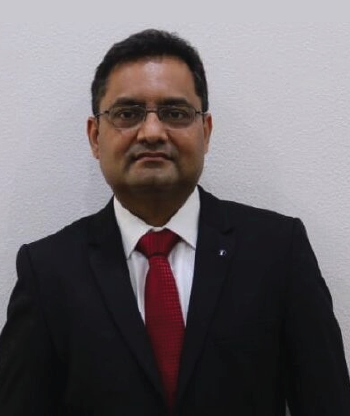

DR. SANDIP SHAH
M.D., FELLOWSHIP IN MEDICAL ONCOLOGY

DR. SANKET SHAH
M.D., D.M., P.D.F.
Talks By Our Oncology, Haematology & Bone Marrow Transplant Expert Doctors
World Sickle Cell Awareness 23 by Dr. Ankit Raiyani, Haematologist & BoneMarrow Transplant Physician
Healthy life tips by Dr. Dhiren Parikh – EPIC Hospital Ahmedabad
Acute Erythroid Leukemia – Dr. Sandip Shah
Talks By Our Oncology, Haematology & Bone Marrow Transplant Expert Doctors
Acute Erythroid Leukemia – Dr. Sandip Shah
World Sickle Cell Awareness 23 by Dr. Ankit Raiyani, Haematologist & BoneMarrow Transplant Physician
Healthy life tips by Dr. Dhiren Parikh – EPIC Hospital Ahmedabad
Blogs By Our Oncology, Haematology & Bone Marrow Transplant Expert
Frequently Asked Questions — Bladder Cancer Treatment in Ahmedabad
What is the most common symptom of bladder cancer?
Visible haematuria — painless, total, episodic blood in the urine — is the most common presenting symptom. It occurs in 80 to 85 percent of bladder cancer cases. Any single episode of unexplained haematuria in an adult warrants urgent cystoscopic evaluation. Do not attribute it to a UTI without cystoscopy if it does not resolve completely with antibiotic treatment.
What is TURBT and how is bladder cancer treated initially?
TURBT (Transurethral Resection of Bladder Tumour) resects the visible tumour from the bladder wall endoscopically under anaesthesia — removing the tumour for histological staging and simultaneously treating non-muscle-invasive disease. It is performed through the urethra with no external incision. At EPIC Multispecialty Hospital, Ahmedabad, TURBT with NBI or PDD enhances flat tumour detection. Re-TURBT at 4 to 6 weeks is performed for high-grade T1 tumours.
What is BCG immunotherapy for bladder cancer?
BCG (Bacille Calmette-Guérin) is a live attenuated mycobacterial vaccine instilled directly into the bladder after TURBT for high-risk non-muscle-invasive bladder cancer. It activates a local immune response that eliminates residual cancer cells and reduces recurrence and progression. BCG induction (6 weekly instillations) followed by SWOG maintenance protocol (3-weekly instillations at 3, 6, 12, 18, 24, 30, 36 months) is standard at EPIC Hospital Ahmedabad.
What is radical cystectomy and what are the urinary diversion options?
Radical cystectomy removes the entire bladder with pelvic lymphadenectomy. Urinary diversion options include: ileal conduit (urostomy — a stoma collecting urine in a bag); continent cutaneous diversion (Indiana pouch — a continent reservoir emptied by catheterisation through a small stoma); and orthotopic neobladder (new bladder constructed from bowel, connected to the urethra — allowing natural voiding). Each option has advantages and limitations discussed with patients at EPIC Multispecialty Hospital, Ahmedabad.
What is neoadjuvant chemotherapy for bladder cancer?
Neoadjuvant cisplatin-based chemotherapy (GC — gemcitabine-cisplatin, or MVAC — methotrexate, vinblastine, adriamycin, cisplatin) given before radical cystectomy improves 5-year overall survival by 5 to 8 percent — the SWOG S8710 and BA06 30894 trials. It is standard for cisplatin-eligible MIBC patients at EPIC Hospital Ahmedabad.
How often does bladder cancer recur and how is surveillance done?
NMIBC recurs in 30 to 70 percent of patients within 5 years. Cystoscopic surveillance follows EAU schedules — for high-risk NMIBC: cystoscopy at 3, 6, 9, 12 months, then 6-monthly to 5 years, then annually indefinitely. Surveillance at EPIC Multispecialty Hospital, Ahmedabad, is structured and systematic — patients are recalled at appropriate intervals and not left to self-refer for follow-up.
Is EPIC Hospital Ahmedabad good for bladder cancer treatment?
EPIC Multispecialty Hospital, Ahmedabad, provides comprehensive bladder cancer treatment — diagnostic cystoscopy, TURBT with NBI/PDD, intravesical BCG and mitomycin, radical cystectomy with all urinary diversion options (ileal conduit, neobladder), neoadjuvant chemotherapy coordination, and immunotherapy for metastatic disease. Patients from across Gujarat attend our uro-oncology programme regularly.
What is the cost of bladder cancer treatment in Ahmedabad at EPIC Hospital?
Bladder cancer treatment costs at EPIC Multispecialty Hospital, Ahmedabad, vary by stage — TURBT and BCG are substantially less expensive than radical cystectomy with neobladder reconstruction. Transparent procedure-specific pricing is available. Insurance and PM-JAY cover TURBT and radical cystectomy for invasive bladder cancer. Contact our patient services team for current pricing.
Bladder Cancer Treatment in Ahmedabad — EPIC Multispecialty Hospital
Bladder cancer treatment at EPIC Multispecialty Hospital, Ahmedabad, covers the complete spectrum — diagnostic cystoscopy, TURBT, BCG immunotherapy, radical cystectomy with neobladder or diversion, and systemic therapy for advanced disease — within a uro-oncology programme that understands bladder cancer’s lifelong surveillance requirements as an integral part of treatment, not an afterthought.
Book a bladder cancer consultation online, call EPIC Multispecialty Hospital Ahmedabad today, WhatsApp your cystoscopy reports and imaging for initial review, or visit us directly — and get bladder cancer treatment from a team that monitors your bladder as carefully as it treats it.