
Kidney Stone Treatment in Ahmedabad - Complete Stone Management at EPIC Multispecialty Hospital
Kidney stones – renal calculi – are one of the most common urological conditions in Gujarat, and Ahmedabad sits firmly within India’s stone belt. The combination of hard water with high mineral content, a hot climate that drives dehydration and concentrated urine, dietary patterns rich in oxalate, and the high prevalence of metabolic syndrome and type 2 diabetes creates a stone-forming environment that affects a significant proportion of adults in the city and surrounding districts.
Kidney stone treatment in Ahmedabad at EPIC Multispecialty Hospital covers the complete management spectrum – from a 4mm renal calyceal stone in an asymptomatic patient who needs monitoring and prevention advice, to a complex partial staghorn calculus requiring PCNL. The right treatment depends on the stone, the patient, and the kidney anatomy – and our urology team at EPIC Hospital Ahmedabad makes that assessment individually for every patient.
Patients attend our kidney stone programme from across Gujarat – from Vadodara, Surat, Rajkot, Gandhinagar, Anand, Nadiad, Bharuch, and Mehsana – and from Rajasthan and Madhya Pradesh, seeking stone treatment where the full range of modern stone surgery is available without requiring referral between institutions.
Kidney Stone Treatment Options at EPIC Multispecialty Hospital, Ahmedabad
- Observation and medical expulsive therapy for small stones: Asymptomatic kidney stones below 5 to 7mm in accessible calyceal positions may be monitored with periodic imaging without immediate intervention. Symptomatic small renal stones are managed with increased fluid intake, alpha-blockers (tamsulosin) to relax ureteral smooth muscle, and NSAIDs for pain control. At EPIC Multispecialty Hospital, Ahmedabad, conservative management is applied where appropriate – not every kidney stone requires surgery.
- ESWL (Extracorporeal Shock Wave Lithotripsy): ESWL is appropriate for renal stones between 5mm and 20mm in the renal pelvis or upper and middle calyces, with stone density below 1000 HU on CT. Stone-free rates range from 60 to 80 percent after one session for optimally selected stones. Lower pole renal stones above 10mm respond less well due to poor gravitational drainage of fragments. At EPIC Hospital Ahmedabad, ESWL patient selection is based on CT stone characteristics, not just stone size.
- Flexible ureteroscopy with laser lithotripsy (FURS): Flexible ureteroscopy accesses all parts of the kidney using a thin flexible ureteroscope passed through the urethra and bladder into the ureter and kidney. Holmium laser lithotripsy fragments stones to dust or extractable pieces. FURS achieves stone-free rates of 85 to 95 percent for renal stones below 2cm and is preferred over ESWL for lower pole stones, hard stones, and patients where ESWL is contraindicated. A DJ stent is placed afterward for 1 to 2 weeks at EPIC Multispecialty Hospital, Ahmedabad.
- Percutaneous nephrolithotomy (PCNL): PCNL creates a percutaneous tract directly into the kidney through the flank under fluoroscopic and ultrasound guidance – allowing introduction of a nephroscope for large, complex, or staghorn renal stones. Mini-PCNL uses 14 to 20 French tracts, reducing blood loss and post-operative pain compared to standard PCNL. PCNL achieves stone-free rates above 85 percent for stones above 2cm in a single session. At EPIC Hospital Ahmedabad, PCNL is performed with ultrasound and fluoroscopy-guided access.
- PCNL for staghorn calculi: Staghorn calculi – stones filling the renal pelvis and extending into multiple calyces – require PCNL with multiple access tracts or a combined PCNL and flexible ureteroscopy approach for complete clearance. Left untreated, staghorn calculi cause progressive renal damage, recurrent UTI, and xanthogranulomatous pyelonephritis. Our stone surgery team at EPIC Multispecialty Hospital, Ahmedabad, plans staghorn stone treatment with pre-operative CT volumetry and access planning.
- Stone metabolic assessment and prevention: At EPIC Hospital Ahmedabad, stone metabolic assessment after treatment includes 24-hour urine collection for calcium, oxalate, uric acid, citrate, and pH; stone composition analysis from retrieved fragments; serum calcium, PTH, and uric acid. Targeted prevention – hydration targets, dietary modification, and pharmacological prevention (thiazide diuretics for hypercalciuria, allopurinol for hyperuricosuria, potassium citrate for hypocitraturia) – reduces recurrence rates by 50 to 60 percent.
Kidney Stones in Ahmedabad – Why Gujarat Has High Stone Prevalence and What Changes With Proper Treatment
The prevalence of kidney stone disease in Gujarat is among the highest in India – estimated at 15 to 20 percent of the adult population in urban Ahmedabad. Ahmedabad’s groundwater is hard – high in calcium and dissolved minerals – and the hot climate means that inadequately hydrated adults produce concentrated urine for hours every day. The combination of urinary supersaturation with calcium and oxalate, low citrate excretion, and high uric acid excretion driven by metabolic syndrome creates a powerful stone-forming environment.
The most common stone type in Gujarat is calcium oxalate monohydrate, which is hard and relatively resistant to ESWL fragmentation. At EPIC Multispecialty Hospital, Ahmedabad, non-contrast CT Hounsfield unit measurement before ESWL is standard – because treating a hard stone with multiple ineffective ESWL sessions when flexible ureteroscopy would have cleared it in one session is poor stone management.
Kidney stone treatment in Ahmedabad is frequently complicated by recurrence – many patients presenting to EPIC Hospital Ahmedabad have had previous stone surgery elsewhere and are forming new stones because the underlying metabolic tendency has never been investigated. Our metabolic stone assessment programme is designed to break this cycle – characterising the individual stone-forming profile and implementing targeted prevention that changes the recurrence trajectory. If you have formed a stone in Ahmedabad, particularly in Gujarat’s hard-water, hot-climate environment, metabolic assessment is not optional – it is the part of treatment that determines whether you form another one.
Nephrology Services We Offer

Diabetes related kidney diseases
Young Onset Hypertension and Uncontrolled Hypertension
Recurrent Kidney Stones
Hereditary Kidney Diseases & Pediatric Kidney Disease
Acute Kidney Injury (AKI)
Chronic Kidney Disease (CKD)
Acute Glomerulonephritis (AGN)
Pregnancy Related Kidney Diseases
Urinary Tract Infection (UTI)
Emergency Services
Our dedicated emergency team is available 24/7 to provide immediate medical care and support in critical situations.

Get In Touch
BOOK AN APPOINTMENT
Find Best Nephrology Hospital in Ahmedabad

Highly Experienced doctors
24X7 Hemodialysis / SLED / CRRT
A-V Fistula Creation
Plasmapheresis
Temporary & Permanent Dialysis Catheter Insertion
Kidney Biopsy (Native Kidney and Transplant Kidney)
Interventional Nephrology
Critical Care Nephrology
Ambulatory Blood Pressure Monitoring (ABPM)
Uroflow/ Urodynamic
Comprehensive Kidney Health Check up
Comprehensive Management of End Stage Kidney Disease Patients on Hemodialysis/ Peritoneal Dialysis
Counselling Regarding Diet for CKD Patients
Lithotripsy
Counselling Regarding Kidney Transplantation
Our Team of Expert Nephrologist
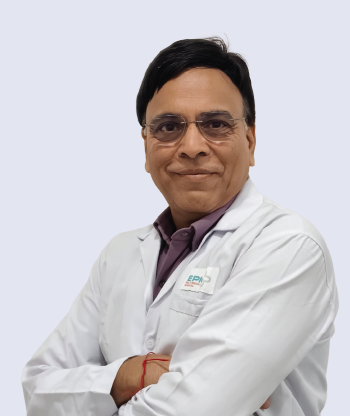
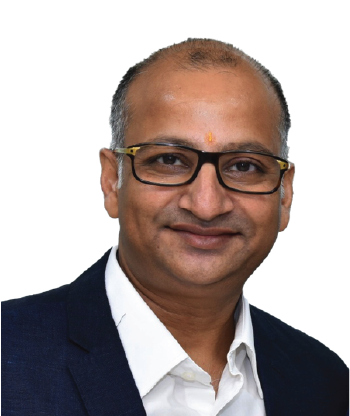
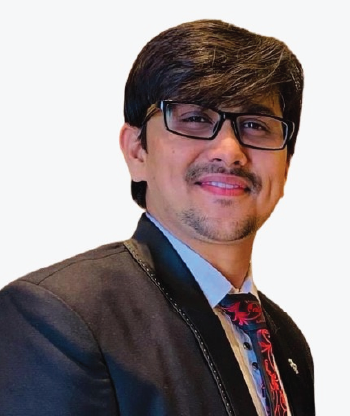
Dr. Ravi Brahmbhatt
MBBS, MD (General Medicine) DM (Nephrology)
Talks By Our Expert Nephrologist
Consult Dr. Rajkumar Mandot – EPIC Multispeciality Hospital
Chronic Kidney Failure – Dr. Raj Mandot
World Kidney Day: Do’s & Don’ts for Healthy Kidneys! by Dr. Rajkumar Mandot
Our Patient Testimonial Nephrologist
World Kidney Day: Do’s & Don’ts for Healthy Kidneys! by Dr. Rajkumar Mandot
Chronic Kidney Failure – Dr. Raj Mandot
Consult Dr. Rajkumar Mandot – EPIC Multispeciality Hospital
Blogs By Our Expert Nephrologist
Frequently Asked Questions - Kidney Stone Treatment in Ahmedabad
What causes kidney stones?
Kidney stones form when urine becomes supersaturated with stone-forming substances – calcium, oxalate, uric acid, or phosphate. Risk factors in Ahmedabad include inadequate fluid intake, hard water, high dietary oxalate, hyperuricaemia from metabolic syndrome, hypercalciuria, and recurrent UTI with urea-splitting bacteria. Our urologists at EPIC Hospital Ahmedabad investigate the specific cause in every stone patient.
What is PCNL and when is it needed for kidney stones?
PCNL (Percutaneous Nephrolithotomy) creates a tract into the kidney through the flank, allowing direct stone fragmentation and removal. It is indicated for renal stones above 2cm, staghorn calculi, lower pole stones inaccessible to ureteroscopy, and stones that have failed ESWL. PCNL achieves stone-free rates above 85 percent for large stones in a single session at EPIC Multispecialty Hospital, Ahmedabad.
Is kidney stone surgery painful?
ESWL requires no anaesthesia in most cases. Flexible ureteroscopy is performed under general or spinal anaesthesia – patients experience mild flank discomfort and urinary symptoms from the DJ stent for 1 to 2 weeks after. PCNL is performed under general anaesthesia with a nephrostomy tube for 24 to 48 hours – managed with targeted analgesia at EPIC Hospital Ahmedabad. Most PCNL patients are discharged within 2 to 3 days.
Can kidney stones be treated without surgery?
Small stones below 5 to 7mm have a reasonable spontaneous passage rate and can be managed conservatively. ESWL treats appropriate stones non-invasively. However, stones above 1.5 to 2cm, staghorn stones, and those causing obstruction or infection require active surgical intervention – PCNL or ureteroscopy at EPIC Multispecialty Hospital, Ahmedabad.
What is the difference between PCNL and flexible ureteroscopy for kidney stones?
PCNL creates an external tract into the kidney – ideal for large stones above 2cm, staghorn calculi, and lower pole stones. Flexible ureteroscopy accesses the kidney internally through the urinary tract – no external incision, appropriate for stones below 2cm, with high stone-free rates and faster recovery. The choice at EPIC Hospital Ahmedabad is based on stone size, location, density, and patient factors.
How can I prevent kidney stones from coming back?
Prevention depends on stone type: calcium oxalate stones – increase fluid intake to 2.5 litres urine output daily, reduce dietary oxalate and sodium; uric acid stones – allopurinol, potassium citrate alkalinisation; struvite stones – complete stone clearance and antibiotic therapy. Our stone metabolic assessment at EPIC Multispecialty Hospital, Ahmedabad, identifies your specific type and implements targeted prevention.
What is the cost of kidney stone treatment in Ahmedabad at EPIC Hospital?
Kidney stone treatment cost at EPIC Multispecialty Hospital, Ahmedabad, varies based on the procedure – ESWL is the least expensive day treatment, flexible ureteroscopy is moderate (day surgery with anaesthesia), and PCNL carries the highest cost (general anaesthesia, 2 to 3-day hospital stay). Transparent all-inclusive package pricing is available. Insurance and PM-JAY coverage applies for most stone surgery indications.
Is EPIC Hospital Ahmedabad good for kidney stone treatment in Gujarat?
EPIC Multispecialty Hospital, Ahmedabad, provides the full range of kidney stone surgery – ESWL, flexible ureteroscopy with holmium laser, mini-PCNL, and standard PCNL – with stone metabolic assessment and prevention to reduce recurrence. Patients from Vadodara, Surat, Rajkot, Gandhinagar, Anand, and Nadiad attend our stone programme regularly.
Kidney Stone Treatment in Ahmedabad – EPIC Multispecialty Hospital
Kidney stone treatment at EPIC Multispecialty Hospital, Ahmedabad, covers the complete management spectrum – from conservative management and ESWL for appropriate small stones, to flexible ureteroscopy for medium stones, to PCNL for large and complex calculi – with metabolic stone assessment and prevention to stop the recurrence cycle.
Book a kidney stone consultation online, call EPIC Multispecialty Hospital Ahmedabad today, WhatsApp your CT scan or ultrasound for initial stone assessment, or visit us directly – and get stone management that treats the stone you have and prevents the next one.