
Thyroid Surgery in Ahmedabad - Expert Thyroidectomy at EPIC Multispecialty Hospital
Thyroid surgery in Ahmedabad is one of the most commonly performed endocrine surgical procedures – and one of the most technically demanding operations in general surgery when performed correctly. The thyroid gland lies directly adjacent to two structures whose injury can have serious long-term consequences: the recurrent laryngeal nerves (which control the vocal cords, and whose injury causes hoarseness or, if bilateral, airway compromise) and the parathyroid glands (which regulate calcium, and whose inadvertent removal or devascularisation causes hypocalcaemia). The margin for error in thyroid surgery is small, and the difference between an experienced thyroid surgeon and an occasional one is reflected in these complication rates.
At EPIC Multispecialty Hospital, Ahmedabad, thyroid surgery is performed by general surgeons with subspecialty endocrine surgical training – using nerve monitoring (intraoperative recurrent laryngeal nerve neuromonitoring), meticulous parathyroid identification and preservation, and the loupe magnification or surgical microscope that precise thyroid dissection demands. Whether the indication is a large symptomatic goitre, a thyroid nodule with suspicious cytology, or confirmed thyroid cancer requiring total thyroidectomy with central compartment lymph node clearance, our surgical team at EPIC Hospital Ahmedabad brings the technical standard these operations require.
Patients come to our thyroid surgery programme from across Gujarat – from Vadodara, Surat, Rajkot, Gandhinagar, Anand, Nadiad, and Bharuch – specifically for thyroid surgery at a centre where recurrent laryngeal nerve preservation and parathyroid protection are not afterthoughts but the primary technical priorities of every procedure.
Thyroid Surgery at EPIC Multispecialty Hospital, Ahmedabad – When It Is Needed and How It Is Done
- Indications for thyroid surgery: Not every thyroid nodule requires surgery, and not every goitre needs to be removed. The indications our endocrine surgical team at EPIC Hospital Ahmedabad applies are: thyroid nodules with Bethesda category III to VI FNAC results (indeterminate, suspicious, or malignant cytology); large nodules (above 4 cm) even with benign cytology, where the risk of missed malignancy is sufficient to justify surgery; compressive symptoms from goitre – dysphagia, dyspnoea, choking sensation – that significantly impact quality of life and where the tracheal or oesophageal displacement is documented on CT or endoscopy; Graves’ disease in patients who have failed antithyroid drug therapy, prefer surgery over radioiodine, have active thyroid eye disease where radioiodine is relatively contraindicated, or have large goitres not amenable to definitive medical management; and toxic multinodular goitre in patients for whom radioiodine is not appropriate.
- Total thyroidectomy vs hemithyroidectomy: The extent of thyroid surgery depends on the indication. For confirmed thyroid cancer, total thyroidectomy – removal of the entire thyroid gland – is standard, enabling post-operative radioiodine ablation and accurate surveillance with thyroglobulin monitoring. For a solitary nodule with indeterminate cytology (Bethesda III), hemithyroidectomy (removal of the lobe containing the nodule) allows definitive histological diagnosis while preserving the contralateral lobe – avoiding lifelong thyroid replacement if the nodule proves benign. For Graves’ disease or toxic multinodular goitre, total or near-total thyroidectomy is standard to prevent recurrence. Our surgeons at EPIC Multispecialty Hospital, Ahmedabad, discuss the appropriate extent of surgery based on the specific indication, nodule characteristics, and patient preference.
- Recurrent laryngeal nerve monitoring: The recurrent laryngeal nerve (RLN) – which innervates the ipsilateral vocal cord – runs in the tracheo-oesophageal groove and must be identified and preserved on both sides during total thyroidectomy. Intraoperative neuromonitoring (IONM) uses an electrode placed on the endotracheal tube adjacent to the vocal cords and a stimulating probe to confirm RLN identity and function during dissection – allowing the surgeon to verify nerve integrity before and after each critical dissection step. At EPIC Hospital Ahmedabad, intraoperative RLN monitoring is used routinely for thyroid surgery, reducing the risk of permanent RLN injury.
- Parathyroid gland identification and preservation: The parathyroid glands – four small glands on the posterior surface of the thyroid, each approximately the size of a lentil – must be identified and preserved during thyroidectomy to prevent post-operative hypocalcaemia. Their blood supply from small branches of the inferior thyroid artery must also be preserved. If a parathyroid gland is inadvertently removed or devascularised, it is reimplanted into the sternomastoid muscle – a technique that restores parathyroid function in most cases. Our surgeons at EPIC Multispecialty Hospital, Ahmedabad, apply systematic parathyroid identification during every thyroidectomy as a non-negotiable technical priority.
- Central compartment lymph node dissection for thyroid cancer: For papillary thyroid cancer – the most common thyroid malignancy – prophylactic central compartment lymph node dissection (bilateral or ipsilateral) is performed in patients with clinical or imaging evidence of nodal disease, or for high-risk tumours (large primary, extrathyroidal extension). Level VI lymph nodes – in the central compartment between the carotid arteries – are cleared systematically. Lateral compartment dissection is performed for confirmed lateral lymph node metastases identified pre-operatively. Our thyroid cancer surgical team at EPIC Hospital Ahmedabad performs these procedures with attention to the structures at risk in the central compartment – trachea, oesophagus, carotid arteries, and the RLNs.
- Post-operative care and thyroid cancer surveillance: After total thyroidectomy, patients require lifelong levothyroxine replacement. For thyroid cancer patients, the dose is titrated to provide TSH suppression appropriate to the patient’s risk category – near-suppressed TSH for high-risk patients, low-normal TSH for low-risk patients after remission is confirmed. Post-operative radioiodine ablation is performed in coordination with our endocrinology and nuclear medicine teams. Long-term surveillance with thyroglobulin and anti-thyroglobulin antibodies, neck ultrasound, and radioiodine whole-body scan at appropriate intervals is managed by our thyroid cancer follow-up clinic at EPIC Multispecialty Hospital, Ahmedabad.
Thyroid Surgery in Ahmedabad – Why the Surgeon’s Experience Changes What Can Go Wrong
Thyroid surgery is one of those operations where complication rates differ dramatically between surgeons who perform it frequently and those who operate on the thyroid occasionally. The recurrent laryngeal nerve injury rate at high-volume endocrine surgical centres is 0.5 to 1 percent for permanent injury – versus rates of 3 to 5 percent or higher in low-volume settings. Permanent hypoparathyroidism – from inadvertent removal or devascularisation of all four parathyroid glands – occurs in 1 to 2 percent of total thyroidectomies at experienced centres and considerably more in inexperienced hands.
These are not minor complications. Unilateral RLN palsy causes permanent hoarseness that affects professional voice users, teachers, lawyers, and anyone whose livelihood depends on their voice. Bilateral RLN palsy – from injury to both nerves during total thyroidectomy – causes bilateral vocal cord paralysis, stridor, and potential airway compromise requiring tracheotomy. Permanent hypoparathyroidism requires lifelong calcium and vitamin D supplementation, causes symptomatic hypocalcaemia – tetany, muscle cramps, perioral tingling, and in severe cases seizures – and significantly impacts quality of life.
The structures to protect in thyroid surgery are always in the same anatomical region – but their exact position relative to the thyroid varies considerably between patients, and in re-operative thyroid surgery (for recurrent goitre or persistent/recurrent thyroid cancer), they are displaced by scar tissue and previous surgery in unpredictable ways. Intraoperative neuromonitoring does not make inexperienced surgeons safe – it provides an additional layer of confirmation for experienced surgeons who already know how to find and preserve the nerve. At EPIC Multispecialty Hospital, Ahmedabad, IONM is used within a surgical practice where the nerve is identified visually before stimulation confirms its identity – not as a substitute for anatomical dissection.
For patients in Ahmedabad and across Gujarat who have been advised to have thyroid surgery – whether for a suspicious nodule, confirmed cancer, Graves’ disease, or compressive goitre – the choice of surgeon and centre is as important as the decision to have surgery. A consultation at our endocrine surgical clinic at EPIC Multispecialty Hospital, Ahmedabad, will give you an honest assessment of the indication for surgery in your case, the extent of operation appropriate for your condition, and the complication risks as they specifically apply to your anatomy and diagnosis.
Know Your Signs

Persistent Abdominal Pain or Swelling
Hernia or Visible Bulge
Pain or Bleeding During Bowel Movements
Non-Healing Anal Discomfort
Repeated Episodes of Vomiting or Bowel Disturbance
Unexplained Weight Loss or Loss of Appetite
Lumps or Growths
Changes in Bowel Habits
Emergency Services
Our dedicated emergency team is available 24/7 to provide immediate medical care and support in critical situations.

Get In Touch
BOOK AN APPOINTMENT
Find Best Endocrinology & Diabetology Hospital in Ahmedabad

Experienced and skilled surgical specialists
Emphasis on minimally invasive techniques
Advanced Critical Care Support with dedicated transplant ICU
Comprehensive peri-operative and post-operative care
State-of-the-Art Operation Theaters
Our Team of Expert General, Laparoscopic & Colorectal Surgeon

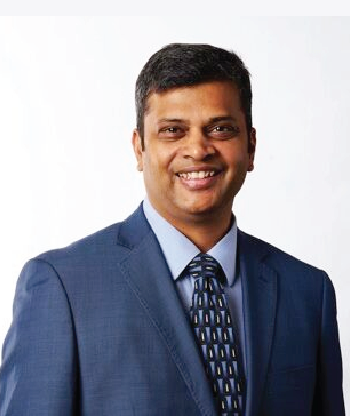
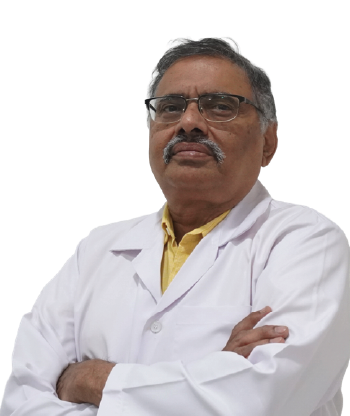

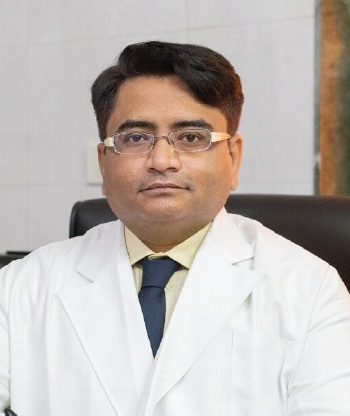
Talks By Our Expert General, Laparoscopic & Colorectal Surgeon
Hernia Surgery by Dr. Bharat Shah
Fistula Surgery – Dr Bharat Shah
Patient Testimonial – Fistula Surgery by Dr. Gaurang Shah
Why Do Some Surgical Conditions Return After Treatment?
Patient Testimonial – Hernia Surgery, Dr. Pankaj Modi
Successful Gallbladder Removal Surgery at Epic Hospital, Ahmedabad By Dr. Bharat Shah
Our Patient Testimonial General, Laparoscopic & Colorectal Surgeon
Successful Gallbladder Removal Surgery at Epic Hospital, Ahmedabad By Dr. Bharat Shah
Patient Testimonial – Hernia Surgery, Dr. Pankaj Modi
Why Do Some Surgical Conditions Return After Treatment?
Patient Testimonial – Fistula Surgery by Dr. Gaurang Shah
Fistula Surgery – Dr Bharat Shah
Hernia Surgery by Dr. Bharat Shah
Blogs By Our Expert General, Laparoscopic & Colorectal Surgeon

Frequently Asked Questions - Thyroid Surgery in Ahmedabad
What conditions require thyroid surgery?
Thyroid surgery is indicated for: thyroid nodules with suspicious or malignant FNAC (Bethesda III to VI); confirmed thyroid cancer; symptomatic compressive goitre causing dysphagia or dyspnoea; Graves’ disease or toxic multinodular goitre not controlled medically or where radioiodine is inappropriate; and large nodules with benign cytology above 4 cm where cancer risk cannot be excluded sufficiently. Not every thyroid nodule needs surgery – our endocrine surgeons at EPIC Hospital Ahmedabad will advise on whether surgery is warranted in your specific case.
What is a thyroidectomy and what types are performed?
Thyroidectomy is surgical removal of all or part of the thyroid gland. Total thyroidectomy removes the entire gland – standard for thyroid cancer and Graves’ disease. Hemithyroidectomy (lobectomy) removes only one lobe – used for a solitary nodule with indeterminate cytology, allowing definitive histological diagnosis while potentially preserving function in the remaining lobe. Near-total thyroidectomy removes all but a small remnant and is used for some benign goitres.
What is the risk to the voice after thyroid surgery?
The recurrent laryngeal nerve – which controls vocal cord movement – must be identified and preserved on both sides during total thyroidectomy. Temporary voice hoarseness occurs in 5 to 10 percent of patients from nerve traction or oedema and resolves within weeks. Permanent voice hoarseness from nerve injury occurs in under 1 percent of total thyroidectomies at experienced centres. At EPIC Multispecialty Hospital, Ahmedabad, intraoperative nerve monitoring is used routinely to minimise this risk.
What is hypoparathyroidism after thyroid surgery?
Hypoparathyroidism results from inadvertent removal or devascularisation of the parathyroid glands during thyroidectomy, causing low calcium (hypocalcaemia). Symptoms include tingling around the mouth, hand and foot cramps (tetany), and in severe cases, muscle spasms and seizures. Transient hypoparathyroidism is common and managed with calcium and vitamin D supplementation. Permanent hypoparathyroidism (requiring lifelong supplementation) occurs in under 2 percent of total thyroidectomies at experienced centres.
What is thyroid cancer and is it curable?
Papillary and follicular thyroid cancer – differentiated thyroid cancers – are the most common types, with excellent prognosis when treated appropriately. The 10-year survival rate for papillary thyroid cancer is above 90 percent. Treatment is total thyroidectomy followed by radioiodine ablation in appropriate cases, TSH-suppression levothyroxine therapy, and lifelong surveillance with thyroglobulin monitoring and neck ultrasound. Our thyroid cancer surgical team at EPIC Multispecialty Hospital, Ahmedabad, delivers this pathway in coordination with endocrinology and nuclear medicine.
Will I need to take medication after thyroid surgery?
After total thyroidectomy, lifelong levothyroxine (T4) replacement is required because the thyroid gland is completely removed. The dose is adjusted to maintain TSH within the target range appropriate for your situation – lower (TSH suppression) for thyroid cancer patients with residual disease risk, and normal range for benign conditions. After hemithyroidectomy, approximately 70 to 80 percent of patients maintain adequate thyroid function with the remaining lobe.
What is the cost of thyroid surgery in Ahmedabad at EPIC Hospital?
Thyroid surgery cost at EPIC Multispecialty Hospital, Ahmedabad, varies based on the extent of surgery (hemithyroidectomy vs total thyroidectomy), whether central compartment lymph node dissection is required, and hospital stay. Intraoperative nerve monitoring is included in our standard thyroid surgery fee. Transparent all-inclusive package pricing is available. Insurance and PM-JAY coverage applies for thyroid surgery across most indications.
Is EPIC Multispecialty Hospital Ahmedabad good for thyroid surgery in Gujarat?
EPIC Multispecialty Hospital, Ahmedabad, has a dedicated endocrine surgical programme performing hemithyroidectomy, total thyroidectomy, and central compartment lymph node dissection – with intraoperative recurrent laryngeal nerve monitoring, meticulous parathyroid preservation, and coordination with our endocrinology team for pre-operative assessment and post-operative cancer surveillance. Patients from across Gujarat attend our thyroid surgery programme regularly.
Thyroid Surgery in Ahmedabad – EPIC Multispecialty Hospital
Thyroid surgery at EPIC Multispecialty Hospital, Ahmedabad, is performed with the surgical precision and intraoperative technology that the proximity of the recurrent laryngeal nerves and parathyroid glands demands – because the consequences of inadequate technique in this operation are permanent and serious. If you have been advised to have thyroid surgery, our endocrine surgical team will give you an honest assessment of the indication, the appropriate extent of operation, and the specific risks as they apply to your case.
Book a thyroid surgery consultation online, call EPIC Multispecialty Hospital Ahmedabad today, WhatsApp your FNAC report and thyroid ultrasound for initial review, or visit us directly – and get thyroid surgical care that protects what matters most.