
Hernia Surgeon in Ahmedabad - Expert Hernia Repair at EPIC Multispecialty Hospital Hernia Clinic
A hernia occurs when an organ or fatty tissue squeezes through a weak spot in the surrounding muscle or connective tissue – most commonly in the groin (inguinal hernia), at the navel (umbilical hernia), at the site of a previous abdominal incision (incisional hernia), or through the diaphragm into the chest (hiatus hernia). Hernias do not resolve on their own. Most require surgical repair – the earlier it is done, the simpler and safer the operation.
At EPIC Multispecialty Hospital, Ahmedabad, our hernia clinic provides expert assessment and surgical repair for all types of hernia – laparoscopic TEP and TAPP for inguinal hernias, laparoscopic and open mesh repair for ventral and incisional hernias, complex abdominal wall reconstruction for large or recurrent hernias, and hiatus hernia repair as part of our anti-reflux programme. The hernia surgeon you see at EPIC Hospital Ahmedabad will tell you honestly which approach is appropriate for your specific hernia – not default to the technique that is most convenient.
Patients from across Ahmedabad – from Satellite, Bopal, Bodakdev, and along the SG Highway – and from Gandhinagar, Vadodara, Surat, Rajkot, and Anand seek hernia surgery at EPIC Multispecialty Hospital, Ahmedabad, because they want a surgeon who is experienced in hernia repair, uses appropriate mesh and technique, and delivers a result that does not recur.
Hernia Types and Surgical Repair at EPIC Multispecialty Hospital, Ahmedabad
- Inguinal hernia – laparoscopic TEP and TAPP: Inguinal hernias – the most common hernia in both men and women – occur when abdominal contents push through the inguinal canal in the groin. In men, the spermatic cord passes through this canal; in women, the round ligament. Laparoscopic repair is the preferred approach at EPIC Hospital Ahmedabad for bilateral inguinal hernias, recurrent hernias (where the original anatomy has been disturbed by previous surgery), and patients who want the fastest recovery. TEP (totally extraperitoneal) – placing mesh in the preperitoneal space without entering the peritoneal cavity – avoids intraperitoneal mesh and the risks of bowel adhesion. TAPP (transabdominal preperitoneal) is an alternative with a slightly wider operative view. Open Lichtenstein tension-free mesh repair remains the gold standard for straightforward unilateral inguinal hernia in many patients and is equally appropriate.
- Umbilical and paraumbilical hernia: Umbilical hernias are very common – occurring through the umbilical ring, which may fail to close in infants or weaken in adults from obesity, multiple pregnancies, or chronic raised intra-abdominal pressure. Small umbilical hernias in adults are repaired with primary suture or small mesh. Larger umbilical and paraumbilical hernias require mesh repair – laparoscopic or open, depending on size. Our surgeons at EPIC Multispecialty Hospital, Ahmedabad, assess umbilical hernia size, reducibility, and content before recommending the repair approach.
- Incisional hernia: Incisional hernias develop at previous surgical incision sites – occurring in 10 to 15 percent of midline laparotomies, and more frequently after wound infection, obesity, or poor closure technique. Small incisional hernias can be repaired with laparoscopic IPOM (intraperitoneal onlay mesh) or open sublay mesh. Large incisional hernias – particularly those with significant abdominal wall defects and loss of domain – require component separation techniques (anterior or posterior) combined with mesh reinforcement. Our hernia clinic at EPIC Hospital Ahmedabad manages simple and complex incisional hernias, with abdominal wall reconstruction for the most challenging cases.
- Femoral hernia: Femoral hernias occur through the femoral canal – below and lateral to the inguinal ligament. They are more common in women and carry a higher risk of strangulation (irreducibility with bowel ischaemia) than inguinal hernias. Femoral hernias should be repaired promptly after diagnosis – emergency femoral hernia repair for strangulation is a significantly higher-risk operation than elective repair. Our surgeons at EPIC Multispecialty Hospital, Ahmedabad, counsel patients with femoral hernias about the importance of timely repair.
- Sports hernia (athletic pubalgia): Sports hernia – or athletic pubalgia – is a catch-all term for groin pain in athletes from disruption of the posterior inguinal wall, adductor tendinopathy, or pubic symphysis stress. It is not a true hernia but may coexist with one. Management involves physiotherapy as first-line, with surgical repair of the inguinal floor or adductor release for refractory cases. Assessment at EPIC Hospital Ahmedabad distinguishes true inguinal hernia from sports hernia – an important clinical distinction.
- Hiatus hernia and GERD: Hiatus hernia – where the upper stomach slides through the diaphragmatic oesophageal hiatus into the chest – contributes to gastro-oesophageal reflux disease and, in large Type II to IV hernias, to significant anatomical distortion with dysphagia and chest symptoms. Small sliding hiatus hernias are managed medically. Symptomatic or large hernias causing oesophageal or gastric volvulus require laparoscopic fundoplication and crural repair. Our surgical team at EPIC Multispecialty Hospital, Ahmedabad, manages hiatus hernia in close coordination with our gastroenterology team.
- Recurrent and complex hernia: Recurrent inguinal or ventral hernia – occurring after a previous repair – is technically more demanding than primary repair due to scarring, mesh from previous procedures, and distorted anatomy. Our hernia surgeons at EPIC Hospital Ahmedabad manage recurrent hernias using the alternative technique from the original repair (laparoscopic for previous open repairs, and open for previous laparoscopic repairs where adhesions preclude re-entry) with appropriate mesh selection for the specific defect.
Hernia Surgery in Ahmedabad – Mesh, Technique, and What Determines Whether a Hernia Comes Back
The recurrence rate of hernia repair – the probability that the hernia returns after surgery – is the most important quality metric in hernia surgery, and it varies significantly based on technique, mesh type, and surgeon experience. In the era before tension-free mesh repair, inguinal hernia recurrence rates were 10 to 15 percent. Modern laparoscopic and open mesh repair at experienced centres produces recurrence rates below 1 percent for primary inguinal hernia – a difference that is entirely attributable to surgical technique and mesh use.
Mesh selection matters for incisional and ventral hernia repair. Lightweight macroporous polypropylene mesh – the most widely used synthetic mesh – provides durable repair with lower rates of chronic pain and mesh-related complications than heavyweight mesh. Biological meshes (derived from animal tissue) are used for infected fields where synthetic mesh cannot be placed. Composite meshes with an anti-adhesion coating are used for intraperitoneal placement where bowel contact is unavoidable. Our hernia surgeons at EPIC Multispecialty Hospital, Ahmedabad, select mesh based on the hernia type, location, size, and clinical context – not based on cost alone.
Chronic post-herniorrhaphy pain – persistent pain after inguinal hernia repair – affects 10 to 12 percent of patients and is the most significant quality-of-life complication of inguinal hernia surgery. It is caused by injury to the ilioinguinal, iliohypogastric, or genitofemoral nerves during repair. Nerve-sparing technique – identifying and protecting these nerves during dissection – and in select cases, prophylactic neurectomy (deliberate division of a nerve that cannot be adequately preserved) are approaches our hernia surgeons at EPIC Hospital Ahmedabad apply to minimise this complication.
For patients with large incisional hernias and loss of domain – where the hernia contents have lost their right of residence in the abdominal cavity – repair is complex and requires careful pre-operative planning. Progressive pneumoperitoneum (gradually expanding the abdominal cavity with gas over several weeks before surgery), Botulinum toxin injection of the lateral abdominal wall muscles (to reduce abdominal wall tone and facilitate midline closure), and staged repair are strategies that our hernia team at EPIC Multispecialty Hospital, Ahmedabad, applies for the most complex abdominal wall defects.
Know Your Signs

Persistent Abdominal Pain or Swelling
Hernia or Visible Bulge
Pain or Bleeding During Bowel Movements
Non-Healing Anal Discomfort
Repeated Episodes of Vomiting or Bowel Disturbance
Unexplained Weight Loss or Loss of Appetite
Lumps or Growths
Changes in Bowel Habits
Emergency Services
Our dedicated emergency team is available 24/7 to provide immediate medical care and support in critical situations.

Get In Touch
BOOK AN APPOINTMENT
Find Best Endocrinology & Diabetology Hospital in Ahmedabad

Experienced and skilled surgical specialists
Emphasis on minimally invasive techniques
Advanced Critical Care Support with dedicated transplant ICU
Comprehensive peri-operative and post-operative care
State-of-the-Art Operation Theaters
Our Team of Expert General, Laparoscopic & Colorectal Surgeon

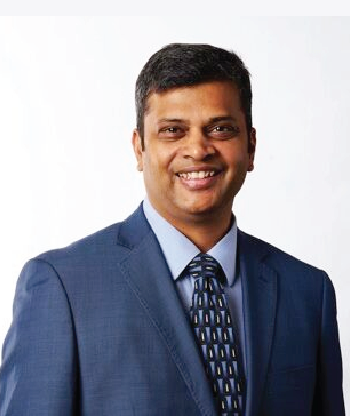
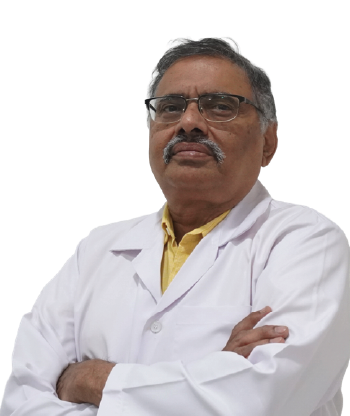

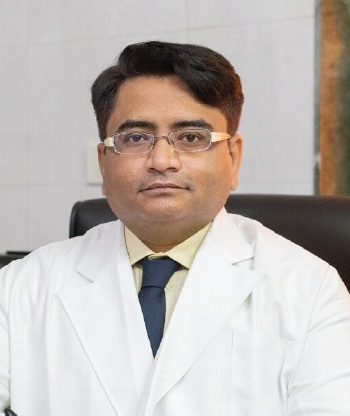
Talks By Our Expert General, Laparoscopic & Colorectal Surgeon
Hernia Surgery by Dr. Bharat Shah
Fistula Surgery – Dr Bharat Shah
Patient Testimonial – Fistula Surgery by Dr. Gaurang Shah
Why Do Some Surgical Conditions Return After Treatment?
Patient Testimonial – Hernia Surgery, Dr. Pankaj Modi
Successful Gallbladder Removal Surgery at Epic Hospital, Ahmedabad By Dr. Bharat Shah
Our Patient Testimonial General, Laparoscopic & Colorectal Surgeon
Successful Gallbladder Removal Surgery at Epic Hospital, Ahmedabad By Dr. Bharat Shah
Patient Testimonial – Hernia Surgery, Dr. Pankaj Modi
Why Do Some Surgical Conditions Return After Treatment?
Patient Testimonial – Fistula Surgery by Dr. Gaurang Shah
Fistula Surgery – Dr Bharat Shah
Hernia Surgery by Dr. Bharat Shah
Blogs By Our Expert General, Laparoscopic & Colorectal Surgeon
Frequently Asked Questions - Hernia Surgeon in Ahmedabad
Does a hernia always need surgery?
Most hernias eventually require surgery – they do not resolve on their own and typically enlarge over time. The risk of strangulation (hernia contents losing blood supply) is the primary reason urgent repair is recommended rather than prolonged observation. Small, asymptomatic hernias in elderly patients with significant comorbidities may be managed with watchful waiting, but even these require surgery if symptoms develop. Our hernia surgeons at EPIC Hospital Ahmedabad will advise on the timing and urgency of repair for your specific hernia.
What is the difference between laparoscopic and open hernia repair?
Open hernia repair accesses the hernia through a direct incision over it – the Lichtenstein tension-free mesh repair for inguinal hernia is the gold standard open technique. Laparoscopic repair (TEP or TAPP) places mesh in the preperitoneal space through small port sites. Laparoscopic repair is preferred for bilateral hernias and recurrent hernias, and offers faster recovery for most patients. Open repair is equally effective for straightforward unilateral inguinal hernia and may be preferred in certain anatomical situations.
Is mesh used in all hernia repairs?
Mesh is used in most hernia repairs at EPIC Multispecialty Hospital, Ahmedabad, because tension-free mesh repair has substantially lower recurrence rates than primary tissue repair without mesh. Exceptions include small umbilical hernias that can be closed primarily, strangulated hernias with intestinal resection in a contaminated field (where biological mesh may be used), and paediatric inguinal hernias (which are repaired by simple ligation of the hernial sac without mesh).
What is a strangulated hernia and is it an emergency?
A strangulated hernia occurs when the hernia contents (usually bowel) become trapped and lose their blood supply – causing ischaemia and potential bowel death. It presents with a painful, irreducible hernia, nausea, vomiting, and signs of bowel obstruction. Strangulation is a surgical emergency requiring immediate intervention. Emergency hernia surgery carries significantly higher risk than elective repair – another reason to repair hernias electively before strangulation occurs.
How long after hernia surgery can I return to work?
Recovery after hernia repair at EPIC Hospital Ahmedabad: laparoscopic inguinal hernia – return to desk work within 1 to 2 weeks, manual work within 4 to 6 weeks. Open inguinal hernia – similar timeline. Laparoscopic umbilical or incisional hernia – desk work within 2 to 4 weeks, strenuous activity restricted for 4 to 8 weeks depending on defect size. Your surgeon will give specific activity guidance based on the repair performed.
Can a hernia recur after surgery?
With modern mesh-based repair performed correctly, primary inguinal hernia recurrence rates are below 1 percent at experienced centres. Recurrence is more common after repair of large incisional hernias, in obese patients, after previous failed repairs, and with wound infection. Choosing an experienced hernia surgeon and following post-operative activity restrictions are the most effective ways to minimise recurrence risk.
What is the cost of hernia surgery at EPIC Multispecialty Hospital Ahmedabad?
Hernia surgery cost at EPIC Hospital Ahmedabad varies based on hernia type (inguinal, umbilical, incisional, complex), repair technique (laparoscopic or open), mesh type used, and hospital stay. We offer transparent all-inclusive package pricing. Contact our patient services team for current pricing. Insurance and PM-JAY coverage applies for most hernia repair indications.
Is EPIC Multispecialty Hospital Ahmedabad the best hernia clinic in Gujarat?
EPIC Hospital Ahmedabad provides comprehensive hernia surgery – from routine laparoscopic inguinal hernia repair to complex abdominal wall reconstruction for large incisional hernias. Our hernia clinic serves patients from across Gujarat – Vadodara, Surat, Rajkot, Gandhinagar, Anand, Nadiad – with nerve-sparing technique, appropriate mesh selection, and structured post-operative follow-up.
Hernia Surgeon in Ahmedabad – EPIC Multispecialty Hospital Hernia Clinic
Hernia repair at EPIC Multispecialty Hospital, Ahmedabad, is performed by experienced general surgeons who apply the correct technique for each hernia type – laparoscopic where it offers the best outcome, open where it is more appropriate, and complex abdominal wall reconstruction for the most challenging cases. If you have a hernia that has been causing symptoms or that you have been putting off having repaired, our hernia clinic will give you a clear assessment and a repair plan built for lasting results.
Book a hernia clinic consultation online, call EPIC Multispecialty Hospital Ahmedabad today, WhatsApp your investigation reports for initial review, or visit our hernia clinic in Ahmedabad directly – and get hernia surgery that is planned to last.