
Diabetes Specialist in Ahmedabad - Expert Diabetes Management at EPIC Multispecialty Hospital
Diabetes is the defining health challenge of modern Gujarat. The state has one of the highest prevalences of type 2 diabetes in India – driven by a combination of genetic predisposition to insulin resistance, dietary patterns high in refined carbohydrates, physical inactivity, and rapidly increasing rates of overweight and obesity across urban Ahmedabad and smaller cities alike. The number of people in Gujarat living with undiagnosed diabetes, or diabetes inadequately managed by general practitioners without specialist support, is substantial.
At EPIC Multispecialty Hospital, Ahmedabad, our diabetes specialists – diabetologists with subspecialty training in the full range of diabetes management – provide comprehensive care for patients with type 1 diabetes, type 2 diabetes, gestational diabetes, and rarer forms of the condition. The programme is built around the understanding that diabetes management in 2025 looks nothing like diabetes management 10 years ago – new drug classes, advanced insulin delivery systems, continuous glucose monitoring, and the evidence for cardiovascular and renal organ protection have transformed what good diabetes care looks like.
Patients come to our diabetes clinic in Ahmedabad from across Gujarat – from Vadodara, Surat, Rajkot, Gandhinagar, Anand, Bopal, and Satellite – specifically seeking a diabetes specialist who applies current evidence-based practice rather than a generic protocol of metformin escalation and insulin as a last resort.
Diabetes Management at EPIC Multispecialty Hospital, Ahmedabad – What Specialist Care Involves
- Type 2 diabetes – structured optimisation: Most patients with type 2 diabetes in Ahmedabad are managed on metformin alone or in combination with sulphonylureas for years, without the full range of modern therapies being considered. At EPIC Hospital Ahmedabad, our diabetologists apply current ADA / EASD guidelines – SGLT2 inhibitors (empagliflozin, dapagliflozin, canagliflozin) with proven cardiovascular and renal protection are used early in patients with established cardiovascular disease or at high risk; GLP-1 receptor agonists (semaglutide, dulaglutide) are added for weight benefit and cardiovascular protection; DPP-4 inhibitors provide safe HbA1c reduction with low hypoglycaemia risk. The choice of agent is individualised – based on comorbidities, cardiovascular risk, renal function, weight, hypoglycaemia risk, and cost.
- Insulin therapy – initiation and optimisation: Insulin therapy in type 2 diabetes is initiated too late in many patients in Gujarat – partly due to cultural reluctance and partly due to inadequate counselling about what insulin actually means. At EPIC Multispecialty Hospital, Ahmedabad, our diabetologists counsel patients about insulin realistically, initiate basal insulin at the right time, and use the full range of modern insulin analogues – basal analogues (insulin glargine, degludec), rapid analogues (aspart, lispro, glulisine), and concentrated formulations where appropriate. Insulin regimens are titrated systematically rather than left static for years.
- Type 1 diabetes – specialist management: Type 1 diabetes in adults requires subspecialty diabetes management – this is a condition characterised by absolute insulin deficiency that demands precise insulin adjustment, carbohydrate counting, and hypoglycaemia management that GPs cannot consistently provide. At EPIC Hospital Ahmedabad, our type 1 diabetes service includes multiple daily injection (MDI) regimen optimisation, assessment for insulin pump therapy (CSII) in appropriate patients, continuous glucose monitoring (CGM) interpretation, and hypoglycaemia unawareness assessment and management.
- Diabetes complication assessment and management: Systematic annual screening for microvascular and macrovascular complications – diabetic retinopathy screening, urine albumin-creatinine ratio for nephropathy, monofilament and vibration testing for peripheral neuropathy, ankle-brachial index for peripheral arterial disease, and cardiovascular risk assessment. At EPIC Multispecialty Hospital, Ahmedabad, complications are identified early – when intervention is most effective – rather than after they have become clinically apparent. Diabetic foot at risk cases are managed in coordination with vascular surgery and podiatry.
- Gestational diabetes management: Gestational diabetes – glucose intolerance first identified in pregnancy – carries risks for both mother and baby if not managed properly. At EPIC Hospital Ahmedabad, gestational diabetes is managed with dietary modification as first-line, progressing to metformin and insulin when targets are not met. Post-delivery follow-up is essential – women with gestational diabetes have a 50 percent lifetime risk of developing type 2 diabetes and require structured post-partum metabolic review.
- Structured diabetes education: Diabetes self-management education – DSME – is one of the most evidence-based interventions in diabetes care, yet it is consistently underprovided in Ahmedabad. Understanding how diet, activity, medication, illness, and stress affect blood glucose; knowing how to adjust insulin dose; understanding hypoglycaemia recognition and treatment – these are skills that transform self-management capacity. Our diabetes education programme at EPIC Multispecialty Hospital, Ahmedabad, provides structured group and individual education as part of the clinical management pathway, not as an afterthought.
The Transformation of Diabetes Treatment – Why Management in Ahmedabad Should Look Different Now
The diabetes treatment landscape has changed more in the past decade than in the four decades before it – and for patients in Ahmedabad and Gujarat, much of this transformation has not yet reached routine clinical practice. Understanding what current evidence-based diabetes management actually involves helps explain why specialist input at EPIC Multispecialty Hospital, Ahmedabad, produces different outcomes from primary care management alone.
The EMPA-REG OUTCOME trial published in 2015 demonstrated that empagliflozin – an SGLT2 inhibitor – reduced cardiovascular death by 38 percent and hospitalisation for heart failure by 35 percent in patients with type 2 diabetes and established cardiovascular disease. The LEADER trial showed similar cardiovascular benefits for liraglutide. The CREDENCE and DAPA-CKD trials demonstrated that SGLT2 inhibitors significantly reduced progression of diabetic kidney disease. These are drugs that change the trajectory of diabetes complications – not just HbA1c numbers. They are now guideline-recommended in patients with established cardiovascular disease or chronic kidney disease, regardless of whether additional glycaemic control is needed.
Despite this evidence, many patients with type 2 diabetes in Ahmedabad are still managed on sulphonylurea-based regimens that have no cardiovascular protective effect, carry significant hypoglycaemia risk, and promote weight gain – a combination that the evidence clearly argues against when safer and more effective alternatives exist. The barrier is partly awareness, partly cost, and partly the institutional inertia of prescribing habits that persist long after the evidence has moved on.
At EPIC Multispecialty Hospital, Ahmedabad, our diabetologists apply current guidelines – not the guidelines of five years ago. For patients with established heart disease and diabetes, SGLT2 inhibitors and GLP-1 receptor agonists are part of the standard treatment approach. For patients with type 2 diabetes and chronic kidney disease, SGLT2 inhibitors are prescribed for their renoprotective effect alongside appropriate glycaemic targets. For patients with type 1 diabetes, CGM is used to assess glucose variability beyond what HbA1c can capture. These are not premium additions to diabetes care – they are the standard of care that current evidence supports.
Know Your Signs

Frequent Urination or Excessive Thirst
Unexplained Weight Gain or Weight Loss
Constant Fatigue or Weakness
Poor Sugar Control Despite Medication
Irregular Menstrual Cycles or Fertility Issues
Hair Fall, Dry Skin, or Heat/Cold Intolerance
Delayed Wound Healing
Tingling or Numbness in Hands and Feet
Emergency Services
Our dedicated emergency team is available 24/7 to provide immediate medical care and support in critical situations.

Get In Touch
BOOK AN APPOINTMENT
Find Best Endocrinology & Diabetology Hospital in Ahmedabad

Experienced Endocrinology & Diabetes Specialists
Patient-centric and long-term care approach
Comprehensive diagnostic and monitoring support
Integrated care with cardiology, nephrology & other specialties
Structured follow-up and treatment planning
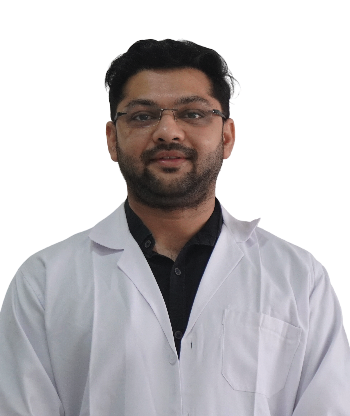
Our Team of Expert Endocrinologist & Diabetologist
Talks By Our Expert Endocrinology & Diabetology Surgeons
Could Your Body Be Signaling High Blood Sugar?
What Is thyroid? by Dr. Payal Shah
Surgical Option for Thyroid Disorders – Dr. Bhavin Vadodariya
Our Patient Testimonial Endocrinology & Diabetology Surgeons
Surgical Option for Thyroid Disorders – Dr. Bhavin Vadodariya
What Is thyroid? by Dr. Payal Shah
Could Your Body Be Signaling High Blood Sugar?
Blogs By Our Expert Endocrinology & Diabetology Surgeons

Frequently Asked Questions - Diabetes Specialist in Ahmedabad
What is the difference between a diabetes specialist and a general physician for diabetes management?
A general physician manages common, straightforward diabetes – newly diagnosed type 2 diabetes on first-line medications, routine HbA1c monitoring. A diabetes specialist manages complex or inadequately controlled diabetes – multiple medication combinations, insulin regimen design, type 1 diabetes, diabetes with significant complications, gestational diabetes, and application of current evidence-based therapies including SGLT2 inhibitors and GLP-1 receptor agonists with cardiovascular/renal indication.
What is HbA1c and what should my target be?
HbA1c (glycated haemoglobin) reflects average blood glucose over the preceding 2 to 3 months. A normal HbA1c is below 42mmol/mol (6.0%). Diabetes is diagnosed at 48mmol/mol (6.5%) or above. Treatment targets are individualised – for most patients, below 53mmol/mol (7.0%). For frail elderly patients or those with hypoglycaemia risk, a higher target (below 64mmol/mol or 8.0%) is appropriate. Our diabetologists at EPIC Multispecialty Hospital, Ahmedabad, set individual targets rather than applying a universal number.
What are SGLT2 inhibitors and should I be taking one?
SGLT2 inhibitors (empagliflozin, dapagliflozin, canagliflozin) are diabetes medications that lower blood glucose by causing the kidneys to excrete excess glucose in the urine. Beyond glucose lowering, they reduce cardiovascular death by 25 to 38 percent and hospitalisation for heart failure, and slow progression of diabetic kidney disease. They are now guideline-recommended for patients with type 2 diabetes and established heart disease or chronic kidney disease, regardless of glycaemic control. Our diabetologists at EPIC Hospital Ahmedabad will review whether an SGLT2 inhibitor is appropriate for your situation.
Is insulin a last resort for type 2 diabetes?
No – this is a harmful misconception that delays appropriate treatment for many patients in Gujarat. Insulin is a highly effective medication for type 2 diabetes when oral agents are insufficient. Starting insulin does not mean diabetes has ‘failed’ – it means the disease has progressed, as type 2 diabetes is progressive by nature. At EPIC Multispecialty Hospital, Ahmedabad, our diabetologists initiate insulin when it is clinically indicated, with appropriate counselling to remove the stigma and fear that delays its use.
What is continuous glucose monitoring (CGM) and do I need it?
CGM uses a small sensor placed under the skin to measure glucose levels continuously throughout the day and night, providing patterns that fingerprick testing cannot capture. It is most valuable for type 1 diabetes, insulin-treated type 2 diabetes with hypoglycaemia risk, and patients with high glucose variability. CGM data allows our diabetologists at EPIC Hospital Ahmedabad to adjust insulin regimens precisely based on real glucose patterns rather than interpolated estimates from infrequent fingerprick readings.
What complications does diabetes cause and how are they screened at EPIC Hospital?
Diabetes complications include retinopathy (eye), nephropathy (kidney – urine albumin-creatinine ratio), peripheral neuropathy (feet – monofilament testing), autonomic neuropathy, cardiovascular disease, and peripheral arterial disease. Annual complication screening at EPIC Multispecialty Hospital, Ahmedabad, covers all these domains systematically – not just HbA1c and blood pressure at each visit.
Can type 2 diabetes be reversed?
Type 2 diabetes can be put into remission – defined as HbA1c below 48mmol/mol without diabetes medication for at least 3 months – through substantial weight loss (typically 10 to 15kg or more), particularly when achieved early in the disease course before significant beta cell loss has occurred. Bariatric surgery produces the highest and most sustained remission rates. Intensive dietary programmes (such as the DiRECT trial approach) can produce remission in a significant proportion of patients with recent-onset diabetes. Our diabetologists at EPIC Hospital Ahmedabad counsel patients on remission potential and the lifestyle interventions most likely to achieve it.
What is the cost of diabetes specialist consultation at EPIC Multispecialty Hospital Ahmedabad?
Diabetes specialist consultation fees at EPIC Hospital Ahmedabad vary based on the consultant and appointment type. Investigation costs – HbA1c, fasting glucose, lipids, renal function, urine albumin, and others – are additional. CGM devices and modern diabetes medications (SGLT2 inhibitors, GLP-1 receptor agonists) have varying costs that our team will discuss. Insurance coverage for diabetes consultations and investigations is available from most providers.
Diabetes Specialist in Ahmedabad – EPIC Multispecialty Hospital
Diabetes management at EPIC Multispecialty Hospital, Ahmedabad, is built on current evidence – not the practice of a decade ago. If your diabetes is inadequately controlled, if you have diabetes with cardiovascular disease or kidney disease that should be on specific organ-protective therapies, or if you have type 1 diabetes that needs specialist management, our diabetology team provides the level of care your condition requires.
Book a diabetes specialist consultation online, call EPIC Multispecialty Hospital Ahmedabad today, WhatsApp your HbA1c results and current medication list for initial review, or visit us directly – and get diabetes care that is actually based on what the evidence says works.