
Bone Marrow Transplant Centre in Ahmedabad - Haematopoietic Stem Cell Transplantation at EPIC Hospital
A bone marrow transplant – more precisely called haematopoietic stem cell transplantation (HSCT) – is one of the most demanding treatments in modern medicine. It involves destroying a patient’s existing bone marrow using high-dose chemotherapy or radiation, and replacing it with healthy stem cells capable of rebuilding a functioning blood and immune system. For patients with certain blood cancers, bone marrow failure syndromes, and immune deficiencies, it offers the possibility of cure or long-term remission when other treatments cannot.
At EPIC Multispecialty Hospital, Ahmedabad, our bone marrow transplant centre provides both autologous transplantation – using the patient’s own stem cells – and allogeneic transplantation, using stem cells from a matched sibling donor or unrelated matched donor. The programme is run by a dedicated haematology and transplant team with the infrastructure – HEPA-filtered transplant unit, apheresis capability, HLA typing, supportive care protocols – that HSCT requires.
Patients travel to our bone marrow transplant centre in Ahmedabad from across Gujarat – from Surat, Vadodara, Rajkot, Gandhinagar, Anand, and Bharuch – and from Rajasthan, Madhya Pradesh, and Maharashtra, seeking access to a transplant programme that can manage their condition comprehensively rather than referring them elsewhere for each component of care.
Types of Bone Marrow Transplant Available at EPIC Multispecialty Hospital, Ahmedabad
- Autologous stem cell transplant (Auto-HSCT): In autologous transplantation, the patient’s own haematopoietic stem cells are collected from peripheral blood via apheresis after mobilisation with G-CSF (granulocyte colony-stimulating factor), cryopreserved, and reinfused following high-dose conditioning chemotherapy. This approach is used primarily for multiple myeloma, relapsed or refractory Hodgkin lymphoma, and selected cases of non-Hodgkin lymphoma. Because the patient’s own cells are used, there is no risk of graft-versus-host disease, and engraftment is generally faster and more reliable.
- Allogeneic stem cell transplant (Allo-HSCT): In allogeneic transplantation, stem cells are collected from a donor – ideally an HLA-matched sibling, or a matched unrelated donor through national and international donor registries – and infused into the patient following conditioning. Allo-HSCT is used for acute leukaemias (AML, ALL), myelodysplastic syndromes (MDS), aplastic anaemia, chronic myeloid leukaemia, thalassaemia major, and other haematological conditions where the graft-versus-tumour (GVT) effect is therapeutically important. HLA typing and donor matching are performed at EPIC Multispecialty Hospital, Ahmedabad, with access to national donor registries.
- Reduced-intensity conditioning (RIC) transplant: For older patients or those with significant comorbidities for whom full myeloablative conditioning would carry unacceptable toxicity, reduced-intensity conditioning uses lower-dose chemotherapy or radiation to suppress the immune system sufficiently to allow donor engraftment while reducing organ toxicity. RIC transplants rely more on the graft-versus-tumour effect than direct tumour kill from conditioning – appropriate for the right disease and patient profile, and available at EPIC Hospital Ahmedabad.
- Haploidentical (haplo) transplant: When a fully matched sibling or unrelated donor is unavailable, a haploidentical transplant – using a half-matched family member such as a parent, sibling, or child – is increasingly offered with post-transplant cyclophosphamide (PT-Cy) protocols that reduce the risk of graft-versus-host disease. Haplo transplant has expanded donor availability significantly and is an option our transplant team at EPIC Multispecialty Hospital, Ahmedabad, evaluates for appropriate patients who lack a fully matched donor.
- Graft-versus-host disease (GvHD) prevention and management: GvHD – where donor immune cells attack the recipient’s organs – is one of the most serious complications of allogeneic transplantation. At EPIC Hospital Ahmedabad, our transplant team uses established GvHD prophylaxis regimens (calcineurin inhibitors, methotrexate, mycophenolate), monitors closely for acute and chronic GvHD, and manages it with corticosteroids and additional immunosuppressive agents where needed. The transplant unit’s HEPA filtration and strict infection control protocols minimise the compounded risk of infection during immunosuppressed phases.
- Supportive care during transplant: The period between conditioning and engraftment – typically 10 to 21 days – is the most vulnerable phase of a bone marrow transplant. The patient has no functional immune system and is at high risk for bacterial, fungal, and viral infections. Our transplant unit at EPIC Multispecialty Hospital, Ahmedabad, provides neutropenic precaution protocols, prophylactic antifungal and antiviral therapy, blood product support, parenteral nutrition where required, and round-the-clock haematology cover to manage complications promptly.
Who Needs a Bone Marrow Transplant – and What the Process Looks Like at EPIC Hospital Ahmedabad
The decision to proceed with a bone marrow transplant is one of the most significant in haematological oncology – and it is never taken lightly. The conditioning regimen that precedes transplantation deliberately destroys the patient’s own bone marrow, leaving them temporarily defenceless against infection and haemorrhagic complications. This is a calculated and necessary step, but it carries real risk, and the risk must be outweighed by the expected benefit.
For patients with acute myeloid leukaemia (AML) or acute lymphoblastic leukaemia (ALL) who achieve remission with induction chemotherapy but are at high risk of relapse, allogeneic transplantation in first remission is frequently the treatment most likely to produce long-term cure. The graft-versus-leukaemia effect – where donor immune cells recognise and kill residual leukaemia cells – is a form of immunotherapy that chemotherapy alone cannot replicate. Our haematology team at EPIC Multispecialty Hospital, Ahmedabad, reviews each patient’s cytogenetics, molecular markers, and remission status to determine whether transplant is indicated and, if so, which conditioning intensity and donor type is most appropriate.
Multiple myeloma is the most common indication for autologous transplant in adults. High-dose melphalan followed by autologous stem cell rescue deepens responses achieved by initial therapy and prolongs progression-free survival. At EPIC Hospital Ahmedabad, our haematology team manages myeloma through induction, stem cell collection, conditioning, and transplant as a coordinated programme – the patient doesn’t move between institutions for different phases of the same treatment pathway.
Aplastic anaemia – severe bone marrow failure that leaves patients profoundly anaemic, neutropenic, and thrombocytopenic – is a condition where the speed of transplant access matters enormously. Young patients with severe aplastic anaemia and an HLA-matched sibling donor have a survival advantage with early allogeneic transplant over prolonged immunosuppressive therapy. Our transplant team at EPIC Multispecialty Hospital, Ahmedabad, can expedite evaluation and proceed to transplant within weeks for patients where urgency is clinically indicated.
For families in Gujarat dealing with thalassaemia major – a condition that requires lifelong blood transfusions and carries significant morbidity without curative treatment – allogeneic transplantation from an HLA-matched sibling remains the only cure currently available. Our transplant programme at EPIC Hospital Ahmedabad evaluates thalassaemia patients and, where a suitable matched sibling donor exists and the patient’s iron overload status and organ function are acceptable, proceeds to transplant with the Lucarelli classification framework guiding patient selection and conditioning intensity.
Know Your Signs

Unexplained weight loss
Loss of appetite
Easy bruising or unusual bleeding
Weakened immune system
Persistent fatigue or weakness
Persistent or unexplained pain
Pale skin or breathlessness
Bone or joint pain
Emergency Services
Our dedicated emergency team is available 24/7 to provide immediate medical care and support in critical situations.

Get In Touch
BOOK AN APPOINTMENT
Find Best Oncology, Haematology & Bone Marrow Transplant Hospital in Ahmedabad

Dedicated Day-Care Chemotherapy Unit
Multidisciplinary team approach
Complete cancer care under one roof - screening, diagnosis, treatment, transplant & follow-up
Highly experienced team of Oncologists, Hemato-Oncologists, and Blood Cancer & Transplant Experts
State-of-the-art infrastructure with Class 1000 Separate AHU (Air Handling Unit)
Strong focus on patient safety, strict infection control, and quality care
24×7 critical care support
Dedicated HEPA-filtered isolation rooms for BMT & immunocompromised patients
Our Team of Expert Doctors
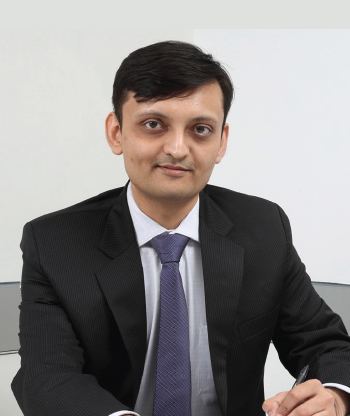

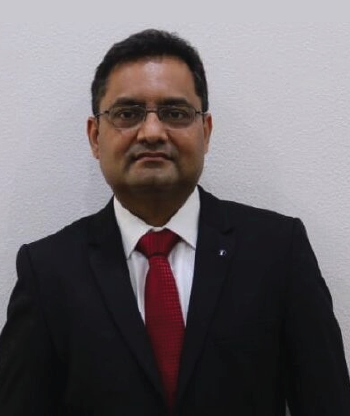
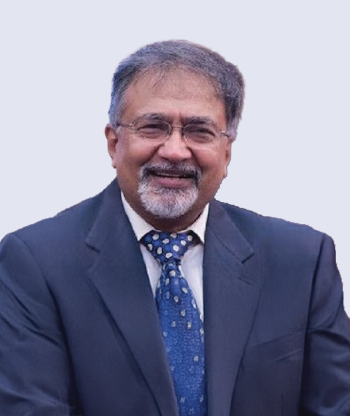
DR. SANDIP SHAH
M.D., FELLOWSHIP IN MEDICAL ONCOLOGY

DR. SANKET SHAH
M.D., D.M., P.D.F.
Talks By Our Oncology, Haematology & Bone Marrow Transplant Expert Doctors
World Sickle Cell Awareness 23 by Dr. Ankit Raiyani, Haematologist & BoneMarrow Transplant Physician
Healthy life tips by Dr. Dhiren Parikh – EPIC Hospital Ahmedabad
Acute Erythroid Leukemia – Dr. Sandip Shah
Talks By Our Oncology, Haematology & Bone Marrow Transplant Expert Doctors
Acute Erythroid Leukemia – Dr. Sandip Shah
World Sickle Cell Awareness 23 by Dr. Ankit Raiyani, Haematologist & BoneMarrow Transplant Physician
Healthy life tips by Dr. Dhiren Parikh – EPIC Hospital Ahmedabad
Blogs By Our Oncology, Haematology & Bone Marrow Transplant Expert

Frequently Asked Questions - Bone Marrow Transplant Centre in Ahmedabad
What is a bone marrow transplant and how does it work?
A bone marrow transplant (BMT) – more accurately called haematopoietic stem cell transplantation (HSCT) – involves replacing a patient’s diseased or destroyed bone marrow with healthy stem cells capable of producing normal blood cells. High-dose conditioning chemotherapy (with or without radiation) first destroys the existing marrow, then donor or the patient’s own collected stem cells are infused intravenously. These cells migrate to the bone marrow and begin producing healthy red blood cells, white blood cells, and platelets over 10 to 21 days – a process called engraftment.
What conditions are treated with bone marrow transplant at EPIC Hospital Ahmedabad?
EPIC Multispecialty Hospital, Ahmedabad, performs bone marrow transplant for acute myeloid leukaemia (AML), acute lymphoblastic leukaemia (ALL), multiple myeloma, Hodgkin and non-Hodgkin lymphoma, myelodysplastic syndromes (MDS), aplastic anaemia, chronic myeloid leukaemia (CML), and thalassaemia major. The appropriate transplant type – autologous or allogeneic – depends on the specific diagnosis, disease stage, patient age, and donor availability.
What is the difference between autologous and allogeneic bone marrow transplant?
In autologous transplant, the patient’s own stem cells are collected before conditioning and reinfused afterward – used mainly for multiple myeloma and lymphomas. In allogeneic transplant, stem cells come from a matched donor (sibling, unrelated, or haploidentical family member). Allogeneic transplant carries a graft-versus-tumour effect that can eliminate residual disease but also risks graft-versus-host disease (GvHD), where donor immune cells attack the recipient’s tissues. Our haematology team at EPIC Hospital Ahmedabad selects the appropriate type based on diagnosis and patient profile.
How is a bone marrow donor found for allogeneic transplant in Ahmedabad?
Donor identification begins with HLA typing of the patient and immediate family members – an HLA-matched sibling is the preferred donor. If no matched sibling is available, we search national and international unrelated donor registries. For patients without a fully matched donor, haploidentical (half-matched) transplant using a parent, sibling, or child is an option with post-transplant cyclophosphamide (PT-Cy) protocols. HLA typing and donor search are coordinated by our transplant team at EPIC Multispecialty Hospital, Ahmedabad.
What is graft-versus-host disease (GvHD) and how serious is it?
GvHD occurs when donor immune cells recognise the recipient’s tissues as foreign and attack them – affecting primarily the skin, gut, and liver. Acute GvHD occurs within the first 100 days; chronic GvHD can develop later and persist for years. Mild GvHD is manageable and sometimes carries a beneficial graft-versus-tumour effect. Severe GvHD is a serious complication requiring intensive immunosuppression. Our transplant team at EPIC Hospital Ahmedabad uses established prophylaxis protocols and monitors closely for early signs of GvHD throughout the transplant period.
How long does a bone marrow transplant take and what is the hospital stay?
The transplant process spans several phases: pre-transplant evaluation (2–4 weeks), stem cell mobilisation and collection for autologous transplant (1–2 weeks), conditioning chemotherapy (5–10 days depending on the regimen), the transplant day itself (a few hours – stem cell infusion), and the post-transplant engraftment period (typically 2–4 weeks inpatient). Most patients remain at EPIC Multispecialty Hospital, Ahmedabad, for 4 to 6 weeks in total during the active transplant phase, with close outpatient follow-up for several months afterward.
Can bone marrow transplant cure blood cancer?
For certain blood cancers, transplant offers the best chance of long-term remission or cure – particularly for AML and ALL in first or second remission, aplastic anaemia, thalassaemia major, and some lymphomas. For multiple myeloma, autologous transplant deepens responses and prolongs progression-free survival significantly, though myeloma is rarely cured. The probability of long-term remission depends on the specific disease, stage at transplant, conditioning regimen, and post-transplant disease monitoring. Our haematology team at EPIC Hospital Ahmedabad will give you realistic, evidence-based expectations for your specific situation.
What is the cost of bone marrow transplant in Ahmedabad at EPIC Hospital?
Bone marrow transplant cost at EPIC Multispecialty Hospital, Ahmedabad, varies significantly based on transplant type (autologous vs. allogeneic), the conditioning regimen used, hospital stay duration, supportive medications, and post-transplant follow-up requirements. Allogeneic transplant, which involves donor identification, HLA typing, and GvHD management, carries higher costs than autologous. We provide transparent cost counselling during the pre-transplant evaluation. Government scheme coverage (PM-JAY and others) and insurance pre-authorisation are coordinated by our team. Contact us for a detailed personalised estimate.
Is EPIC Multispecialty Hospital Ahmedabad a good bone marrow transplant centre?
EPIC Multispecialty Hospital, Ahmedabad, operates a dedicated BMT centre with HEPA-filtered transplant unit, apheresis capability for stem cell collection, HLA typing access, and a transplant team experienced in both autologous and allogeneic procedures. Our haematology and transplant programme manages patients from across Gujarat – including Surat, Vadodara, Rajkot, Gandhinagar, and Anand – as well as from Rajasthan, Madhya Pradesh, and Maharashtra. For patients in the region seeking a comprehensive BMT centre without travelling to Mumbai or Delhi, EPIC Hospital Ahmedabad provides that access.
Is bone marrow transplant available for thalassaemia patients in Ahmedabad?
Yes. Allogeneic bone marrow transplant from an HLA-matched sibling donor is the only curative treatment for thalassaemia major, and EPIC Multispecialty Hospital, Ahmedabad, offers this for eligible patients. Candidacy is assessed using the Lucarelli classification – evaluating hepatomegaly, liver fibrosis, and the quality of pre-transplant chelation therapy. Patients with Class I or II disease and a matched sibling donor have excellent outcomes with transplant. Our transplant team will evaluate your child’s or family member’s suitability and discuss the procedure, risks, and realistic outcomes in detail.
Bone Marrow Transplant Centre in Ahmedabad – EPIC Multispecialty Hospital
Bone marrow transplantation is not a decision made quickly or lightly – it requires thorough evaluation, honest discussion of expected outcomes and risks, careful donor identification, and the right institutional infrastructure to deliver it safely. At EPIC Multispecialty Hospital, Ahmedabad, our bone marrow transplant centre provides all of this in one place, without the need to move between institutions for different phases of the same treatment.
Book a haematology and transplant evaluation at EPIC Multispecialty Hospital Ahmedabad online, call our team today, WhatsApp your blood reports, bone marrow biopsy results, or clinical summary for an initial review, or visit our bone marrow transplant centre in Ahmedabad directly – and get the expert assessment your condition requires.