
Stroke Treatment in Ahmedabad - Time Is Brain. Act Without Delay.
A stroke happens when blood supply to part of the brain is suddenly interrupted – either by a clot blocking an artery (ischaemic stroke) or by a blood vessel rupturing (haemorrhagic stroke). Brain cells begin dying within minutes of losing their blood supply. The phrase “time is brain” is not a slogan – it is a quantified clinical reality. The faster a stroke patient reaches a hospital capable of delivering definitive treatment, the less brain is lost, the less disability results, and the better the chance of meaningful recovery.
EPIC Multispecialty Hospital, Ahmedabad provides comprehensive stroke treatment in Ahmedabad – from emergency thrombolysis (clot-busting medication) for ischaemic stroke within the therapeutic window, to mechanical thrombectomy for large vessel occlusion, to surgical management of haemorrhagic stroke and raised intracranial pressure.
Recognising a Stroke – The FAST Test
Every person should know the FAST test for recognising a stroke:
- F – Face: Has one side of the face drooped? Ask the person to smile – is it asymmetric?
- A – Arms: Can the person raise both arms? Does one drift downward?
- S – Speech: Is speech slurred, confused, or absent?
- T – Time: Call for emergency help immediately and head to EPIC Hospital without delay.
Additional warning signs include sudden loss of vision in one or both eyes, sudden severe headache with no known cause (thunderclap headache), sudden dizziness, loss of balance, or sudden numbness on one side of the body. Any of these symptoms warrant immediate emergency attendance.
Types of Stroke and How They Are Treated at EPIC Hospital
Ischaemic Stroke – Thrombolysis and Thrombectomy
The majority of strokes are ischaemic – caused by a blood clot blocking a cerebral artery. Intravenous thrombolysis with tPA (alteplase or tenecteplase) dissolves the clot and restores blood flow – but must be given within 4.5 hours of symptom onset. EPIC Hospital’s stroke team activates the acute stroke pathway on arrival: immediate CT brain and CT angiography, rapid assessment for thrombolysis eligibility, and door-to-needle time that reflects international best practice.
For patients with large vessel occlusion (LVO) – blockage of the middle cerebral artery, internal carotid artery, or other major vessels – mechanical thrombectomy is now standard of care. Using a stent retriever or aspiration catheter delivered through a femoral artery catheter to the blocked vessel in the brain, mechanical thrombectomy can reopen vessels up to 24 hours after symptom onset in selected patients. EPIC Hospital provides this service through our neurovascular and interventional radiology team.
Haemorrhagic Stroke – Surgical and ICU Management
Haemorrhagic stroke – caused by rupture of a blood vessel within or around the brain – includes intracerebral haemorrhage (ICH) and subarachnoid haemorrhage (SAH). Management focuses on controlling blood pressure, reversing anticoagulation if present, managing raised intracranial pressure (ICP), and neurosurgical evacuation where indicated. SAH from a ruptured cerebral aneurysm requires urgent neurovascular intervention – either surgical clipping or endovascular coiling – to prevent rebleeding.
Transient Ischaemic Attack (TIA) – The Stroke Warning
A TIA (Transient Ischaemic Attack) causes stroke-like symptoms that resolve completely within 24 hours. It is not harmless – the risk of a full stroke in the days following a TIA is significant, and urgent evaluation is required. EPIC Hospital evaluates TIA patients with brain imaging, carotid ultrasound, cardiac monitoring, and blood tests to identify and treat the underlying cause before a full stroke occurs.
Post-Stroke Rehabilitation at EPIC Hospital
Stroke recovery is not just about surviving – it is about regaining function. EPIC Hospital’s stroke rehabilitation programme begins in the acute phase, within 24–48 hours of stabilisation, with physiotherapy, occupational therapy, and speech and language therapy. Early rehabilitation is consistently associated with better functional outcomes. Our team works with patients and families through the acute stay and coordinates ongoing rehabilitation at discharge.
Why EPIC Is the Right Hospital for Stroke Treatment in Ahmedabad
- 24/7 acute stroke pathway – immediate CT brain, stroke team activation on arrival
- Thrombolysis (tPA) available around the clock for eligible ischaemic stroke patients
- Mechanical thrombectomy for large vessel occlusion
- Neurosurgical capability for haemorrhagic stroke and aneurysm
- Dedicated stroke ICU monitoring and early rehabilitation programme
Know Your Signs

Stomach/Abdominal Pain
Heartburn
Loss of appetite
Blood in stools
Blood vomiting
Diarrhea (acute & chronic)
Unexplained weight loss or weight gain
Difficulty in swallowing
Emergency Services
Our dedicated emergency team is available 24/7 to provide immediate medical care and support in critical situations.

Get In Touch
BOOK AN APPOINTMENT
Find Best Critical Care Hospital in Ahmedabad

Multidisciplinary Team of Experts
Dedicated Trauma Center
40 bedded ICU & Critical Care Unit
Inhouse Blood Bank /Pathology /Radiology
24/7 Emergency & Ambulance Service (ICU on wheel)
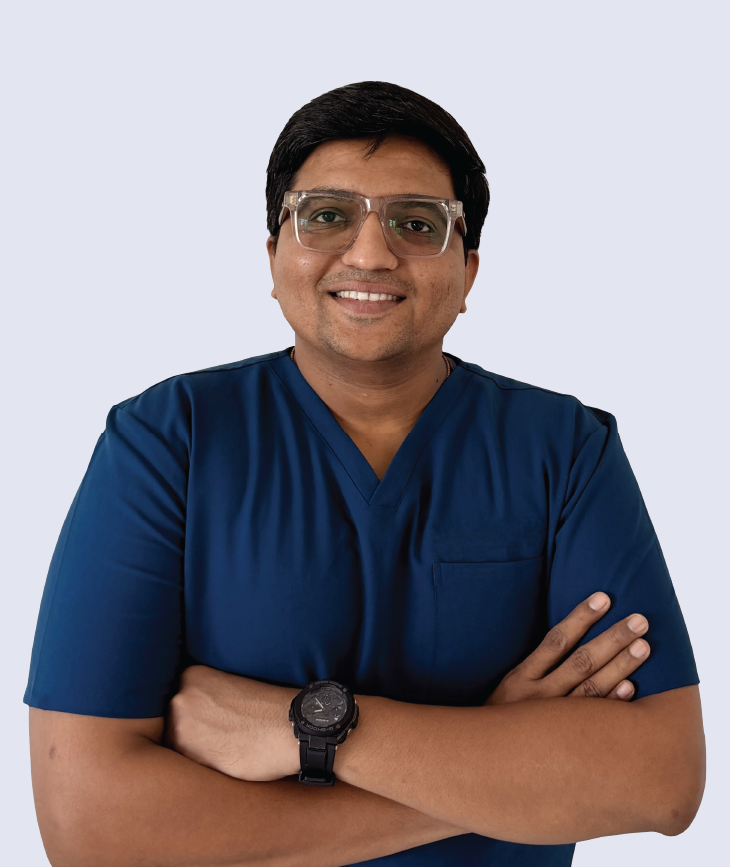
Our Team of Expert Doctors

Talks By Our Expert Critical Care Doctors
After Covid Critical Care Medicine, Patient Feedback Father of Mr. Naman – EPIC
Who Manages the Most Critical Patients in the ICU?
World Sepsis Day
Our Patient Testimonial Critical Care
Who Manages the Most Critical Patients in the ICU?
World Sepsis Day
After Covid Critical Care Medicine, Patient Feedback Father of Mr. Naman – EPIC
Blogs By Our Expert Critical Care
Stroke Treatment in Ahmedabad - FAQs
What is the treatment for an ischaemic stroke?
For ischaemic stroke, intravenous tPA (thrombolysis) within 4.5 hours and mechanical thrombectomy for large vessel occlusion are the main treatments. EPIC Multispecialty Hospital, Ahmedabad provides both, 24/7.
What is the difference between ischaemic and haemorrhagic stroke?
Ischaemic stroke is caused by a blood clot blocking an artery to the brain. Haemorrhagic stroke is caused by a burst blood vessel bleeding into or around the brain. They require different treatments – thrombolysis is used for ischaemic stroke but is contraindicated in haemorrhagic stroke.
What is the time window for stroke treatment?
Thrombolysis (tPA) must be given within 4.5 hours of symptom onset. Mechanical thrombectomy can be performed up to 24 hours after onset in selected patients with salvageable brain tissue on imaging. Arriving at EPIC Hospital as early as possible maximises treatment options.
What is mechanical thrombectomy?
Mechanical thrombectomy is a procedure where a stent retriever or aspiration catheter is guided through blood vessels to the blocked artery in the brain, removing the clot directly. It is indicated for large vessel occlusion and can dramatically reduce disability when performed within the treatment window.
Can a stroke patient fully recover?
Recovery depends on which part of the brain was affected, how long blood flow was interrupted, and how quickly treatment was received. Many patients regain significant function with early thrombolysis, thrombectomy, and intensive rehabilitation. The faster the treatment, the better the recovery potential.
What stroke care services are available at EPIC Multispecialty Hospital?
EPIC Multispecialty Hospital, Ahmedabad provides comprehensive stroke care – thrombolysis, mechanical thrombectomy, neurosurgical management, stroke ICU, and early rehabilitation – through a 24/7 acute stroke pathway.
What is a TIA and should it be treated as an emergency?
Yes. A TIA (Transient Ischaemic Attack) carries a high short-term risk of full stroke and must be evaluated urgently – even if symptoms have fully resolved. EPIC Hospital assesses TIA patients with brain imaging, vascular studies, and cardiac monitoring to prevent the impending stroke.
What is the cost of stroke treatment at EPIC Multispecialty Hospital?
Contact EPIC Multispecialty Hospital Ahmedabad for stroke treatment cost information. Cost depends on treatment type and ICU duration. Cashless insurance is available.