
COPD Treatment in Ahmedabad
Managing the Condition That Steals Your Breath, Step by Step
India is home to an estimated 55 million people with Chronic Obstructive Pulmonary Disease (COPD) – making it one of the highest national burdens of any country. Yet COPD is chronically under-diagnosed, under-treated, and under-taken-seriously. Patients attribute their breathlessness to age, their chronic cough to smoking, and their reduced exercise capacity to being out of shape. By the time many patients seek COPD treatment in Ahmedabad, their lung function has deteriorated significantly further than it needed to.
COPD is not curable. But it is manageable – and the gap between managed COPD and unmanaged COPD is enormous. Managed well, patients with COPD can maintain reasonable exercise capacity, avoid frequent hospitalisations, slow their rate of decline, and maintain quality of life for years. At EPIC Multispecialty Hospital, our COPD treatment programme in Ahmedabad delivers that management – not just a prescription for a bronchodilator.
Understanding COPD – What Is Actually Happening in the Lungs
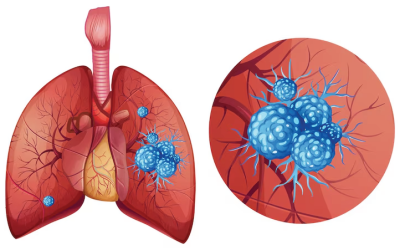
COPD encompasses two overlapping conditions: chronic bronchitis – defined as a productive cough for at least 3 months in each of 2 consecutive years – and emphysema – irreversible destruction of the alveolar walls, enlarging air spaces and reducing the surface area available for gas exchange. Most patients with COPD have elements of both.
The primary cause is long-term inhalation of tobacco smoke. In India, biomass fuel exposure – from burning wood, cow dung, or crop residue in poorly ventilated homes – is responsible for a substantial proportion of COPD, particularly in women from rural Gujarat. Occupational dust and chemical exposures and air pollution contribute additionally in Ahmedabad’s urban context.
COPD Staging and Treatment at EPIC Hospital – The GOLD Framework
Our COPD management follows the GOLD (Global Initiative for Chronic Obstructive Lung Disease) guidelines. Staging is based on FEV1 % predicted on post-bronchodilator spirometry: GOLD 1 (Mild, FEV1 ≥80%), GOLD 2 (Moderate, 50–79%), GOLD 3 (Severe, 30–49%), GOLD 4 (Very Severe, <30%). Treatment is escalated based on both severity grade and symptom burden and exacerbation history.
- SABA (Short-Acting Bronchodilator) for rescue: salbutamol – for all patients with COPD as required for acute symptom relief
- LAMA (Long-Acting Muscarinic Antagonist): tiotropium, umeclidinium, glycopyrronium – the cornerstone of maintenance therapy for most COPD patients, reducing exacerbations and improving quality of life
- LABA (Long-Acting Beta-2 Agonist): salmeterol, indacaterol, formoterol – added for patients with higher symptom burden or when LAMA alone is insufficient
- ICS/LABA combinations: inhaled corticosteroids are added for patients with frequent exacerbations and elevated blood eosinophils – not routinely for all COPD patients
- Triple therapy (ICS/LAMA/LABA): for severe, frequently exacerbating patients – delivered via single inhalers such as Trelegy or Breztri
- Pulmonary rehabilitation: supervised exercise training combined with patient education – the single most evidence-based intervention for improving exercise capacity and quality of life in COPD
- Long-term oxygen therapy (LTOT): for patients with resting hypoxaemia (PaO2 <7.3 kPa) – prescribed when SpO2 is consistently below 88%
Know Your Signs

Persistent or Worsening Cough
Shortness of Breath (Dyspnea)
Wheezing or Noisy Breathing
Loud Snoring or Sleep Apnea
Chest Pain or Discomfort
Frequent Lung Infections
Emergency Services
Our dedicated emergency team is available 24/7 to provide immediate medical care and support in critical situations.

Get In Touch
BOOK AN APPOINTMENT
Find Best Pulmonology Hospital in Ahmedabad

Therapeutic Bronchoscope (Olympus) for airway stenting, tumor debulking, foreign body removal
Endobronchial Ultrasound (Linear EBUS) (Olympus) for mediastinal pathology assessment.
Bronchoscopic Cryotherapy (ERBE Cryo 2) for airway tumors & lung cryobiopsy
IPC (Indwelling pleural catheter) Insertion
Flexi-rigid thoracoscope (Olympus) for Pleuroscopy
Single-Use flexible bronchoscopes (Pentax) for routine diagnostics like lavage & bronchial biopsy
Our Team of Expert Pulmonologist

Talks By Our Expert Pulmonology Doctors
Treatment for Pulmonary Issues – Dr. Jaykumar Mehta
Treatment of Pulmonary Issues – Dr. Jaykumar Mehta
EBUS Procedure by Dr. Jaykumar Mehta
Our Patient Testimonial Pulmonology
EBUS Procedure by Dr. Jaykumar Mehta
Treatment of Pulmonary Issues – Dr. Jaykumar Mehta
Treatment for Pulmonary Issues – Dr. Jaykumar Mehta
Blogs By Our Expert Pulmonology
COPD Treatment in Ahmedabad - Frequently Asked Questions
Can COPD be reversed or cured?
COPD cannot be reversed or cured with current treatments. The alveolar destruction of emphysema is permanent. However, the rate of lung function decline can be significantly slowed with smoking cessation, appropriate inhaler therapy, and pulmonary rehabilitation. Patients who stop smoking at any stage of COPD show a measurably slower decline than those who continue.
What is a COPD exacerbation and how is it managed?
A COPD exacerbation is an acute worsening of respiratory symptoms beyond day-to-day variation – typically caused by a respiratory infection (bacterial or viral). Management involves intensifying bronchodilator therapy, a short course of oral corticosteroids (prednisolone), and antibiotics if there is purulent sputum or clinical evidence of bacterial infection. Hospitalisation is needed for severe exacerbations with hypoxia or respiratory acidosis.
Is the inhaler technique important for COPD treatment in Ahmedabad?
Critical. Studies consistently show that 50 to 80% of patients use their inhalers incorrectly – and incorrect technique means the medication does not reach the airways effectively. Every COPD patient at EPIC Hospital receives inhaler technique assessment and training at diagnosis and at every follow-up. The choice of inhaler device – MDI, DPI, or soft mist inhaler – is matched to the patient’s inspiratory capacity and manual dexterity.
What is the role of the influenza and pneumococcal vaccine in COPD treatment?
Annual influenza vaccination and pneumococcal vaccination are recommended for all patients with COPD. Respiratory infections are the leading cause of COPD exacerbations, and vaccination significantly reduces the frequency and severity of exacerbations. This is a standard part of COPD treatment at EPIC Hospital.
Does quitting smoking help COPD if the damage is already done?
Yes – at any stage of the disease. Smoking cessation is the only intervention proven to slow the rate of FEV1 decline in COPD. Even patients with severe disease benefit. Nicotine replacement therapy, varenicline, or bupropion combined with behavioural support are available as part of our COPD management programme.
What is pulmonary rehabilitation and is it available for COPD patients in Ahmedabad?
Pulmonary rehabilitation is a structured programme of supervised exercise training, breathing techniques, nutritional advice, and patient education for patients with COPD. It is the most evidence-based non-pharmacological intervention available – improving exercise capacity, reducing breathlessness, and reducing hospitalisation rates more effectively than most medications. Our team coordinates pulmonary rehabilitation at EPIC Hospital.
How does COPD affect the heart, and what is our pulmonologist's role?
COPD is strongly associated with cardiovascular disease – ischaemic heart disease, heart failure, and atrial fibrillation are more common in COPD patients than in the general population. Pulmonary hypertension develops in advanced COPD and worsens prognosis. Our COPD specialist in Ahmedabad coordinates with cardiology colleagues for patients with concurrent cardiac disease.
What is the difference between COPD and asthma?
COPD and asthma both cause airflow obstruction but are fundamentally different diseases. COPD is persistent, largely irreversible, and caused by long-term smoke or biomass exposure. Asthma is variable, usually reversible, and typically atopic or allergic in origin. Some patients – particularly older smokers with a history of childhood asthma – have features of both (called ACOS: Asthma-COPD Overlap Syndrome). Correct diagnosis with PFT test in Ahmedabad guides appropriate treatment.