
Obstructive Sleep Apnoea
Diagnosis and Treatment in Ahmedabad at EPIC Hospital
Obstructive sleep apnoea is one of the most common serious medical conditions that most people have never heard of – until they are diagnosed. An estimated 15 to 20 percent of middle-aged adults in India have obstructive sleep apnoea, and the majority are undiagnosed. They simply assume that loud snoring and daytime tiredness are normal parts of getting older, or of being overweight, or of a demanding schedule. They are not.
Obstructive sleep apnoea (OSA) is a condition in which the upper airway repeatedly collapses during sleep, causing breathing to stop and start. Each episode – which can happen dozens or even hundreds of times a night – causes a brief arousal from sleep, a surge in sympathetic nervous system activity, and a drop in blood oxygen saturation. The consequences accumulate over years: hypertension, heart disease, type 2 diabetes, stroke, and a significantly elevated risk of road traffic accidents due to excessive daytime somnolence.
At EPIC Multispecialty Hospital in Ahmedabad, our pulmonology team diagnoses and manages obstructive sleep apnoea with the full range of diagnostic and therapeutic tools – from in-lab polysomnography to CPAP titration and long-term follow-up.
Recognising Obstructive Sleep Apnoea – Symptoms Beyond Snoring
Loud snoring is the symptom most people associate with sleep apnoea – but it is not the most clinically important one. Snoring occurs when the airway narrows but does not fully collapse. It is the full collapse – the apnoeas – that drive the health consequences. Many of the most significant symptoms of OSA are not the ones patients present complaining of.
- Witnessed apnoeas: a bed partner observing the patient stop breathing, gasp, or choke during sleep – the most specific symptom of OSA
- Excessive daytime sleepiness: falling asleep involuntarily during the day – at desks, in conversations, while driving – despite apparently adequate sleep duration
- Unrefreshing sleep: waking after a full night of sleep feeling as tired as when you went to bed
- Morning headaches: caused by nocturnal hypercapnia (carbon dioxide retention) during apnoeic episodes
- Nocturia: waking repeatedly to urinate during the night – a frequently missed consequence of OSA related to atrial natriuretic peptide (ANP) release during arousal events
- Impaired concentration and memory: neurocognitive dysfunction from sleep fragmentation and hypoxia
- Poorly controlled hypertension: particularly resistant hypertension – blood pressure that does not respond adequately to three or more antihypertensive medications – should prompt evaluation for OSA
Diagnosis of Obstructive Sleep Apnoea at EPIC Hospital, Ahmedabad
Polysomnography (Full Sleep Study)
Polysomnography (PSG) is the gold standard diagnostic test for obstructive sleep apnoea. An overnight study in our sleep laboratory simultaneously records electroencephalography (EEG), electromyography (EMG), electrooculography (EOG), airflow, respiratory effort, oxygen saturation, and body position. The result is the Apnoea-Hypopnoea Index (AHI) – the number of breathing events per hour of sleep – which grades severity: mild (5–14), moderate (15–29), or severe (30 or more).
Home Sleep Apnoea Testing
For straightforward cases of suspected OSA without complicating features, a home sleep apnoea test (HSAT) can provide an accurate diagnosis without the need for an overnight in-lab study. The device records airflow, respiratory effort, and oxygen saturation during sleep at home. Our specialist determines which test is most appropriate for each patient.
Treatment of Obstructive Sleep Apnoea at EPIC Hospital, Ahmedabad
- CPAP (Continuous Positive Airway Pressure) therapy: the most effective treatment for moderate to severe OSA – a mask worn during sleep delivers pressurised air that keeps the airway open throughout the night. Our team provides in-lab CPAP titration or auto-CPAP titration, mask fitting, and ongoing compliance support
- Mandibular Advancement Device (MAD): a custom dental device that repositions the jaw to maintain airway patency – an effective alternative to CPAP for mild to moderate OSA in patients who cannot tolerate CPAP
- Weight management: obesity is the most important modifiable risk factor for OSA – a 10% reduction in body weight can produce a 30% reduction in AHI in some patients
- Positional therapy: for positional OSA – where episodes occur predominantly in the supine position – specific devices that prevent supine sleeping can be highly effective
- Surgical options: uvulopalatopharyngoplasty (UPPP), nasal surgery for obstructive anatomy, and hypoglossal nerve stimulation in selected patients – coordinated with ENT surgery
Know Your Signs

Persistent or Worsening Cough
Shortness of Breath (Dyspnea)
Wheezing or Noisy Breathing
Loud Snoring or Sleep Apnea
Chest Pain or Discomfort
Frequent Lung Infections
Emergency Services
Our dedicated emergency team is available 24/7 to provide immediate medical care and support in critical situations.

Get In Touch
BOOK AN APPOINTMENT
Find Best Pulmonology Hospital in Ahmedabad

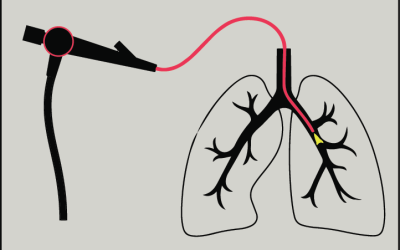
Therapeutic Bronchoscope (Olympus) for airway stenting, tumor debulking, foreign body removal
Endobronchial Ultrasound (Linear EBUS) (Olympus) for mediastinal pathology assessment.
Bronchoscopic Cryotherapy (ERBE Cryo 2) for airway tumors & lung cryobiopsy
IPC (Indwelling pleural catheter) Insertion
Flexi-rigid thoracoscope (Olympus) for Pleuroscopy
Single-Use flexible bronchoscopes (Pentax) for routine diagnostics like lavage & bronchial biopsy
Our Team of Expert Pulmonologist

Talks By Our Expert Pulmonology Doctors
Treatment for Pulmonary Issues – Dr. Jaykumar Mehta
Treatment of Pulmonary Issues – Dr. Jaykumar Mehta
EBUS Procedure by Dr. Jaykumar Mehta
Our Patient Testimonial Pulmonology
EBUS Procedure by Dr. Jaykumar Mehta
Treatment of Pulmonary Issues – Dr. Jaykumar Mehta
Treatment for Pulmonary Issues – Dr. Jaykumar Mehta
Blogs By Our Expert Pulmonology
Obstructive Sleep Apnoea - Frequently Asked Questions
How do I know if I have obstructive sleep apnoea?
The STOP-BANG questionnaire is a validated screening tool: Snoring (loudly), Tired (excessive daytime tiredness), Observed (apnoeas witnessed by someone), Pressure (treated or untreated hypertension), BMI over 35, Age over 50, Neck circumference over 40 cm, Gender (male). A score of 3 or more puts you at intermediate to high risk. Formal diagnosis requires a sleep study – see our obstructive sleep apnoea team at EPIC Hospital for assessment.
Is CPAP the only treatment for sleep apnoea?
No. CPAP is the most effective treatment for moderate to severe OSA, but alternatives exist. Mandibular advancement devices are a valid option for mild to moderate disease or CPAP-intolerant patients. Weight loss, positional therapy, and surgical options are appropriate in specific situations. Treatment is individualised by our team – not one-size-fits-all.
Can obstructive sleep apnoea cause heart problems?
Obstructive sleep apnoea is an independent risk factor for systemic hypertension, atrial fibrillation, heart failure, coronary artery disease, and stroke. The mechanism involves repetitive hypoxia, sympathetic activation, and endothelial dysfunction during apnoeic episodes. Effective treatment with CPAP reduces blood pressure and cardiovascular event risk in appropriate patients.
How long does it take to feel better after starting CPAP therapy?
Many patients notice improvement in daytime sleepiness and energy levels within the first few nights of CPAP therapy. Cognitive improvements – concentration, memory, mood – typically improve over 2 to 4 weeks. Blood pressure responses may take longer. The key is consistent nightly use – CPAP is only effective while it is being worn.
Is obstructive sleep apnoea more common in men or women?
Obstructive sleep apnoea is more common in men – approximately 2:1 before menopause. After menopause, the sex difference narrows significantly as oestrogen and progesterone – which have a protective effect on upper airway tone – decline. Women with OSA also present differently: they are more likely to report insomnia, fatigue, and mood disturbance than the classic snoring and witnessed apnoeas that men typically report.
Will I have to use CPAP forever?
OSA caused by fixed anatomical factors – retrognathia, tonsillar hypertrophy – may be surgically addressable. OSA driven primarily by obesity may resolve or substantially improve with significant weight loss. For most patients with chronic OSA, CPAP is a long-term treatment – but the improvement in sleep quality, energy, and cardiovascular risk makes it a worthwhile long-term commitment.
What related respiratory services are available at EPIC Hospital alongside sleep apnoea treatment?
Our full pulmonology programme includes the pulmonologist in Ahmedabad, PFT test in Ahmedabad, COPD treatment in Ahmedabad, and the best pulmonology hospital in Ahmedabad Gujarat.
Is sleep apnoea testing covered by health insurance in Ahmedabad?
Coverage for sleep study (polysomnography) and CPAP therapy varies by insurance policy. Many major health insurance plans now cover sleep apnoea diagnosis and treatment, particularly when there is associated hypertension or cardiovascular disease. Our patient services team will verify your specific coverage before your appointment.